2013–present · United States, Worldwide
A24 Arthouse
Also known as A24 aesthetic, Elevated indie, Contemporary arthouse
The contemporary 'elevated' indie look associated with distributor A24: atmospheric naturalism, moody motivated light, neon or pastel accents, careful composition, and slow unsettling mood.
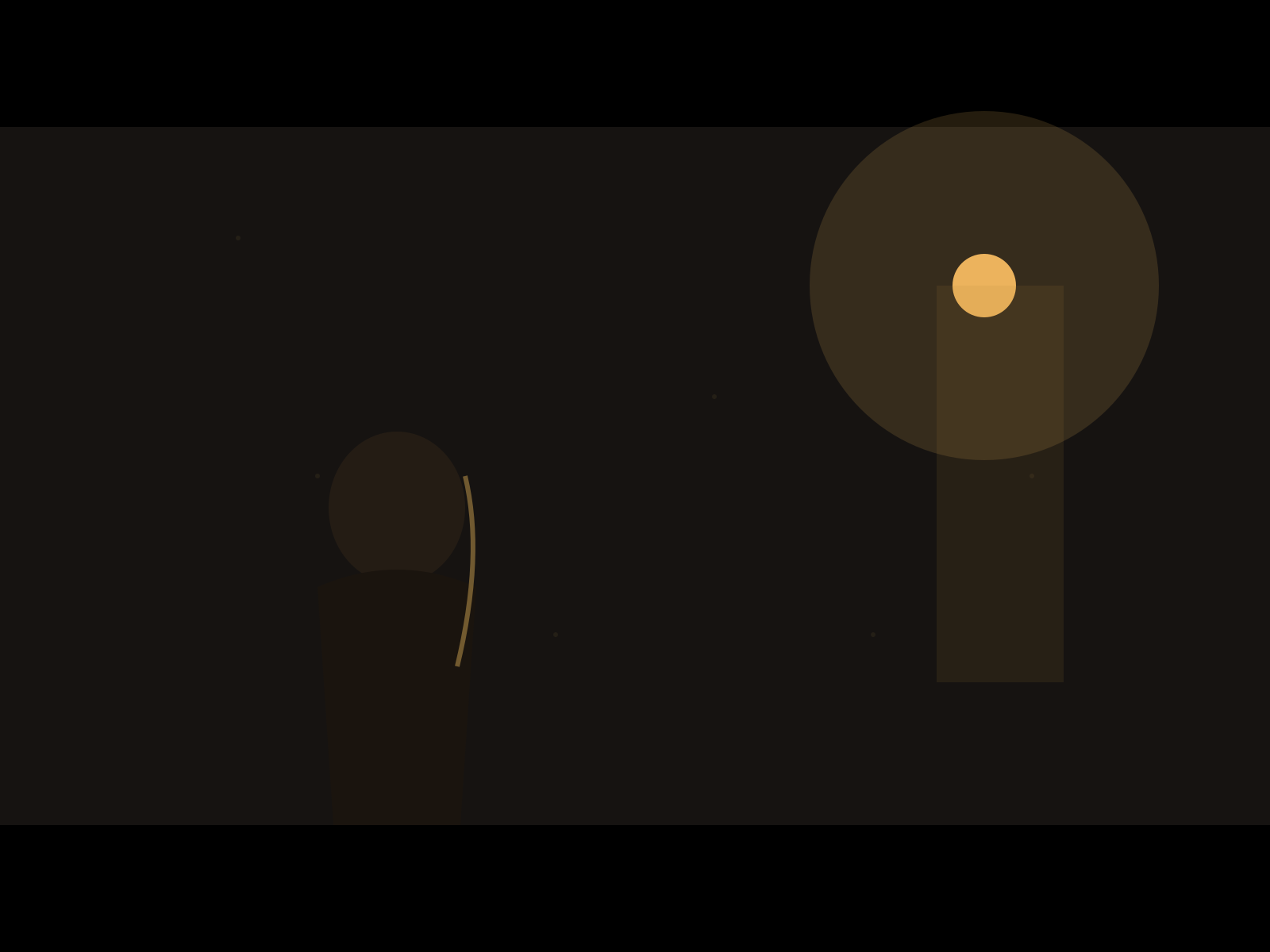
Original specimen, not a historical artifactOriginal specimen evoking the A24 Arthouse look. Owned; source: Design Style Book (original).
About the style
A24 arthouse describes the recognizable visual sensibility tied to the American studio A24, founded in 2013 and quickly synonymous with a wave of stylish, auteur-driven 'elevated' independent film and horror. Though spanning many directors, the films share an aesthetic of atmospheric naturalism and meticulous craft: motivated, often low-key lighting that lets pools of darkness and single practical sources shape a scene; careful, frequently static or slow-moving compositions with negative space and deliberate framing; and a controlled, mood-forward color palette ranging from desaturated earthy naturalism to bold neon-and-pastel grading. Cinematographers favor film grain or filmic digital, anamorphic or boxy aspect ratios, and an unhurried pace that builds dread or melancholy. Production design is tactile and specific, lighting emotionally expressive rather than showy. From Moonlight's saturated nightscapes to Hereditary's dollhouse dread and the neon of Spring Breakers, the look reads as restrained, intentional, and quietly unsettling.
Notable examples
- ▸Moonlight (Barry Jenkins / A24, 2016)
- ▸Hereditary (Ari Aster / A24, 2018)
- ▸Ex Machina (Alex Garland / A24, 2014)
Anatomy of A24 Arthouse
The numbered markers call out the design elements that define this style. Hover or tap a marker to see its breakdown.
Original specimen, not a historical artifactOriginal specimen evoking the A24 Arthouse look. Owned; source: Design Style Book (original).
A single lamp, window, or neon sign motivates the lighting, carving the subject from surrounding darkness with restrained, naturalistic mood.
The figure is placed off to one side within deliberate empty space, an unhurried, intentional composition that builds quiet unease.
The image is graded toward a controlled palette—earthy desaturation or saturated neon-and-pastel—that signals emotional tone over realism.
Visible grain and a boxy or anamorphic frame give a crafted, celluloid feel that distances the image from glossy mainstream digital.
How A24 Arthouse connects
Styles form a network, not a tree. Explore the direct neighbours below — click any to travel the map one hop at a time.
- Influenced by
Hover or tap a style to preview it.
Influenced by Neo-Noir — borrows pooled low-key shadow and saturated nocturnal grading
Influenced by New Hollywood — revives auteur-driven naturalism, location realism, and filmic grain
Compare side by side
Describe it like this
Prompt-ready vocabulary for describing or re-creating the A24 Arthouse look. Tap a word to collect it in Designdeas.
Get copy-ready A24 Arthouse AI prompts →