 1600s–1750
Baroque Interior
The theatrical court interior of absolutist Europe — grand enfilades dripping with gilt, marble, ceiling frescoes and mirror, staged for awe.
BaroqueCourt styles
42named styles of rooms and interiors — from historic period rooms to mid-century, Memphis, Japandi, and today's aesthetics. Filter by family, era, or formal traits — or search by name, designer, or keyword.
42 styles
1600s–1750The theatrical court interior of absolutist Europe — grand enfilades dripping with gilt, marble, ceiling frescoes and mirror, staged for awe.
 1715–1770
The intimate, asymmetric French salon of the Louis XV era — pastel boiserie, gilded scrollwork, shellwork curves and mirrored grace.
 1760s–1830
The ordered, antiquity-inspired interior that swept away Rococo — symmetrical rooms with classical orders, urns, swags and restrained color.
 1714–1830
The proportioned, panelled interior of eighteenth-century Britain — classical symmetry, dado-rail walls, sash windows and dignified restraint.
 1795–1837
The elegant, archaeologically exotic English interior of the early 1800s — Greek, Egyptian and Chinese motifs, striped silks, brass inlay and sabre-leg furniture.
 1837–1901
The dense, layered, pattern-on-pattern interior of industrial Britain — dark woodwork, heavy drapery, clutter of objects and an eclectic mix of revivals.
 1860s–1890s
The art-for-art's-sake interior of late-Victorian taste-reformers — refined color harmonies, Japanese-inspired motifs, ebonised furniture and 'artistic' restraint.
 1880s–1920
The honest, handcrafted interior of the reform movement — exposed oak, built-ins, hand-blocked wallpapers and truth to materials over machine ornament.
 1890–1910
The sinuous, nature-driven interior of 1900 — whiplash curves, flowering tendrils, stained glass and furniture, walls and light fused into one organic whole.
 1920s–1939
The glamorous, geometric interior of the Jazz Age — lacquer, chrome and exotic veneers in bold sunbursts, zigzags and stepped forms, machine-age luxury made stylish.
 1670s–1900s
The European fantasy of the East — lacquered panels, hand-painted pagoda-and-bird wallpapers, blue-and-white porcelain and fretwork, an imagined China for the salon.
 1880s–1940s
The nostalgic American interior reviving colonial and early-Federal taste — symmetrical panelled rooms, reproduction Windsor and Chippendale furniture and patriotic restraint.
 1919–1933
The functional, machine-age interior of the German Bauhaus — open plan, white walls, tubular-steel furniture and primary-colour accents, form following function.
 1945–1969
The optimistic postwar living room of open plans, walls of glass, and warm wood paired with sculptural molded furniture — bringing indoor-outdoor modernism into the middle-class American home.
 1945–1970
The bright, pared-down Nordic home of pale wood floors, white walls, and warm textiles — humane functionalism tuned to long dark winters with light, craft, and cozy restraint.
 1930s–1960s
The glamorous, theatrical interior of old Hollywood — high-gloss lacquer, mirrored and brass surfaces, bold jewel tones, and a touch of Regency formality scaled for the silver-screen lifestyle.
 1950s–1960s
The exuberant Space-Race living room of boomerang motifs, starburst clocks, molded plastic pods, and bold pop color — domestic optimism styled like a rocket-age advertisement.
 1960s–1990s
The reductive interior stripped to essentials — monochrome surfaces, empty volume, and hidden storage, where light, proportion, and a few precise objects carry the entire room.
 1950s–1970s
The raw-concrete interior of board-marked walls, exposed structure, and monolithic built-ins — an honest, heavy, sculptural environment that makes the building's bones the decoration.
 1975–1995
The witty, color-clashing interior that revolted against minimalism — historical quotation, exaggerated columns, pastel-and-bold palettes, and ironic ornament reveling in 'less is a bore.'
 1981–1988
The riotous Milan interior of squiggle-printed laminates, primary colors, and toy-like asymmetric furniture — Sottsass and the Memphis Group turning the room into a defiantly playful collage.
 1970s–1980s
The interior that celebrates engineering — exposed ducts, gridded steel, factory and laboratory fittings repurposed for the home, where the building's services become its decoration.
 1790s–1860s (revived 1940s+)
The serene, scrubbed-clean room of the Shaker communities — whitewashed walls, peg rails, built-in cupboards, and spare furniture, where order and utility become a kind of devotion.
 17th c.–present (codified mid-20th c.)
The warm rural French room of exposed beams, terracotta floors, gleaming copper, and faded toile — rustic farmhouse materials softened by a touch of provincial elegance.
 1920s–present
The sun-baked villa interior of whitewashed and stone walls, terracotta floors, arched openings, and wrought iron — cool, earthy, and tuned to a warm coastal climate.
 1920s–present
The desert adobe room of earthen plaster walls, exposed viga beams, a beehive kiva fireplace, and Pueblo and Navajo textiles — warm, handmade, and rooted in the high desert.
 19th c.–present
The deliberately mixed room that layers periods, cultures, and styles into one personal whole — collected objects, varied patterns, and global finds unified by a confident curatorial eye.
 1990s–present
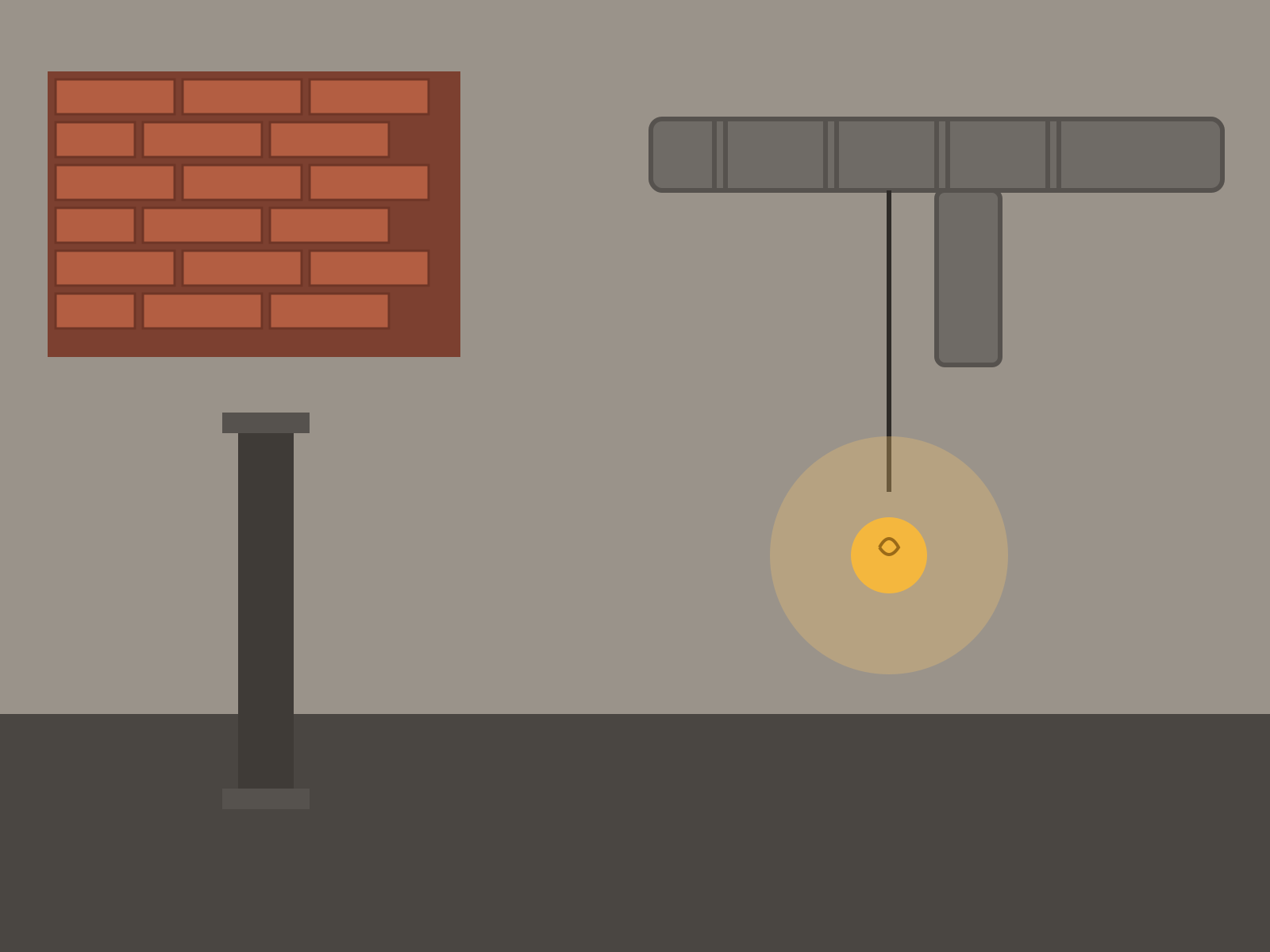
An aesthetic of converted factories and warehouses that celebrates raw structure — exposed brick, ductwork, concrete, and steel — as finished decor. It turns the bones of post-industrial buildings into the look itself.
 2010s–present
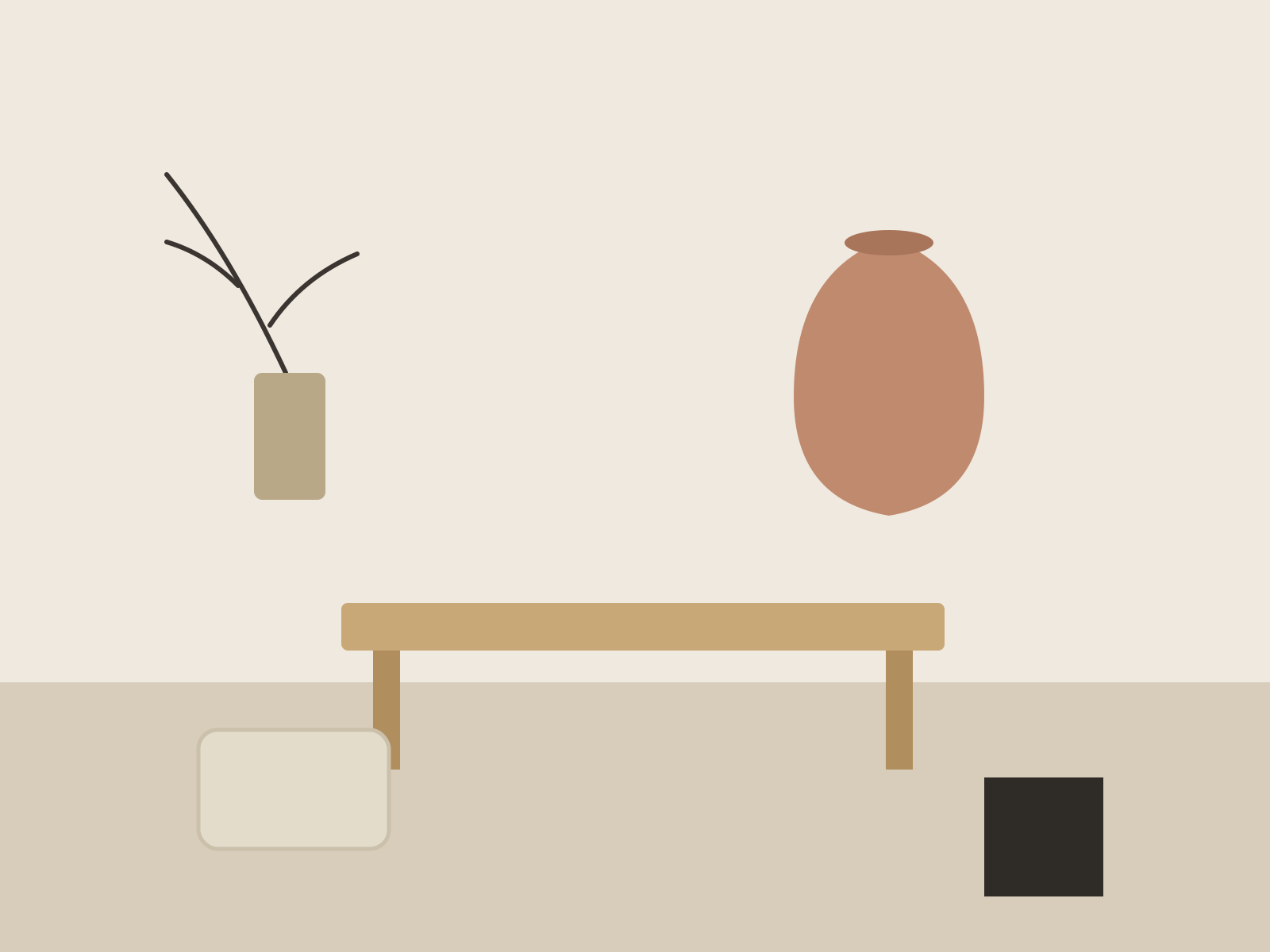
A hybrid of Scandinavian functionality and Japanese minimalism, blending warm hygge comfort with wabi-sabi restraint. The result is a calm, low, natural-material interior that prizes craft and emptiness alike.
 1990s–present
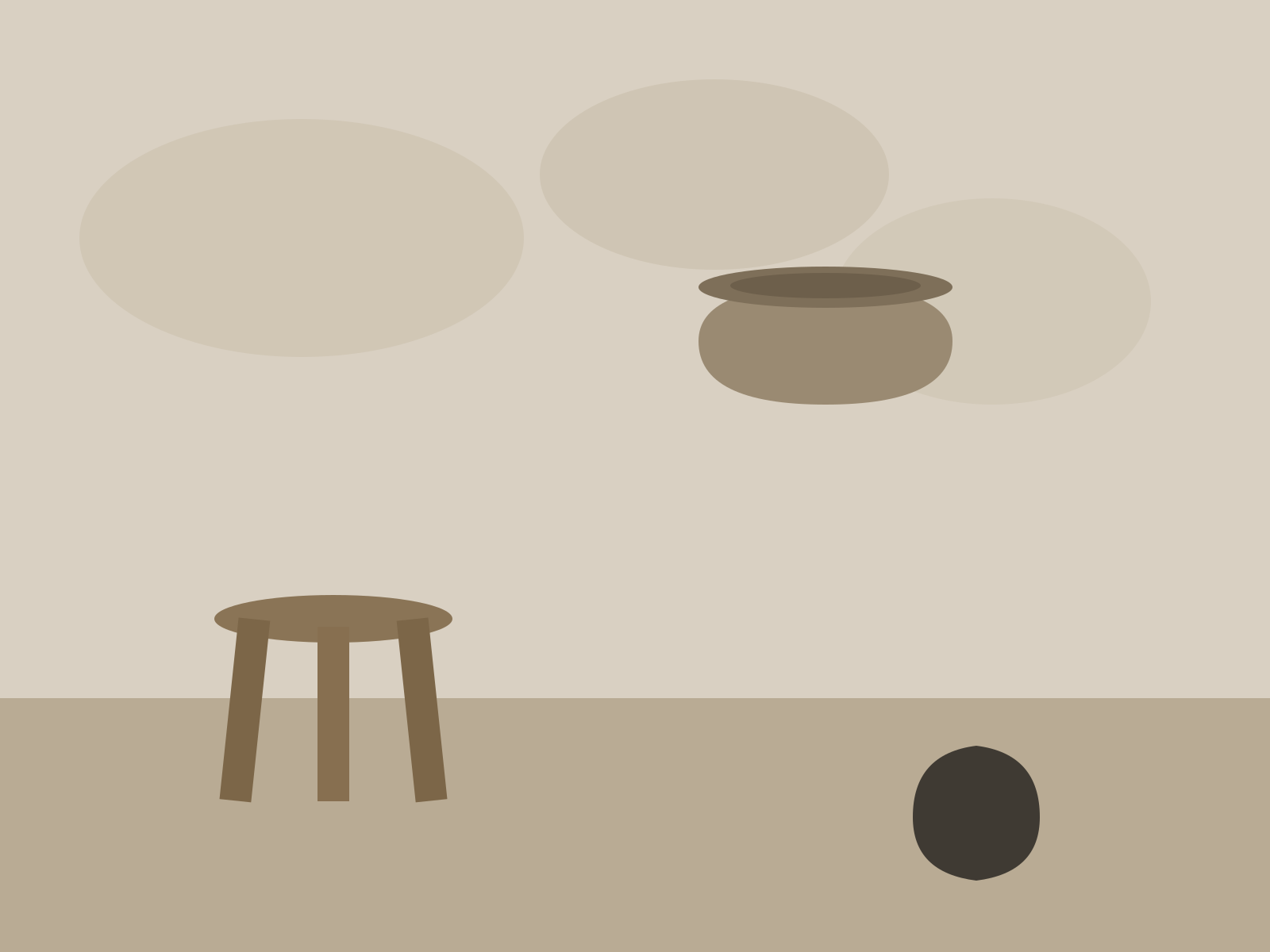
An interior philosophy rooted in the Japanese aesthetic of finding beauty in imperfection, impermanence, and incompleteness. It favours weathered, handmade, natural materials and quiet, unforced rooms.
 1960s revival, 2010s peak
A free-spirited, layered, eclectic look that mixes global textiles, plants, vintage finds, and warm earthy color into a relaxed, personal interior. It prizes individuality and abundance over matching sets.
 2018–present
An internet-born aesthetic romanticising simple rural and pastoral life, translated into soft, nostalgic interiors full of florals, vintage textiles, dried flowers, and handmade, homespun comfort.
 1990s–present
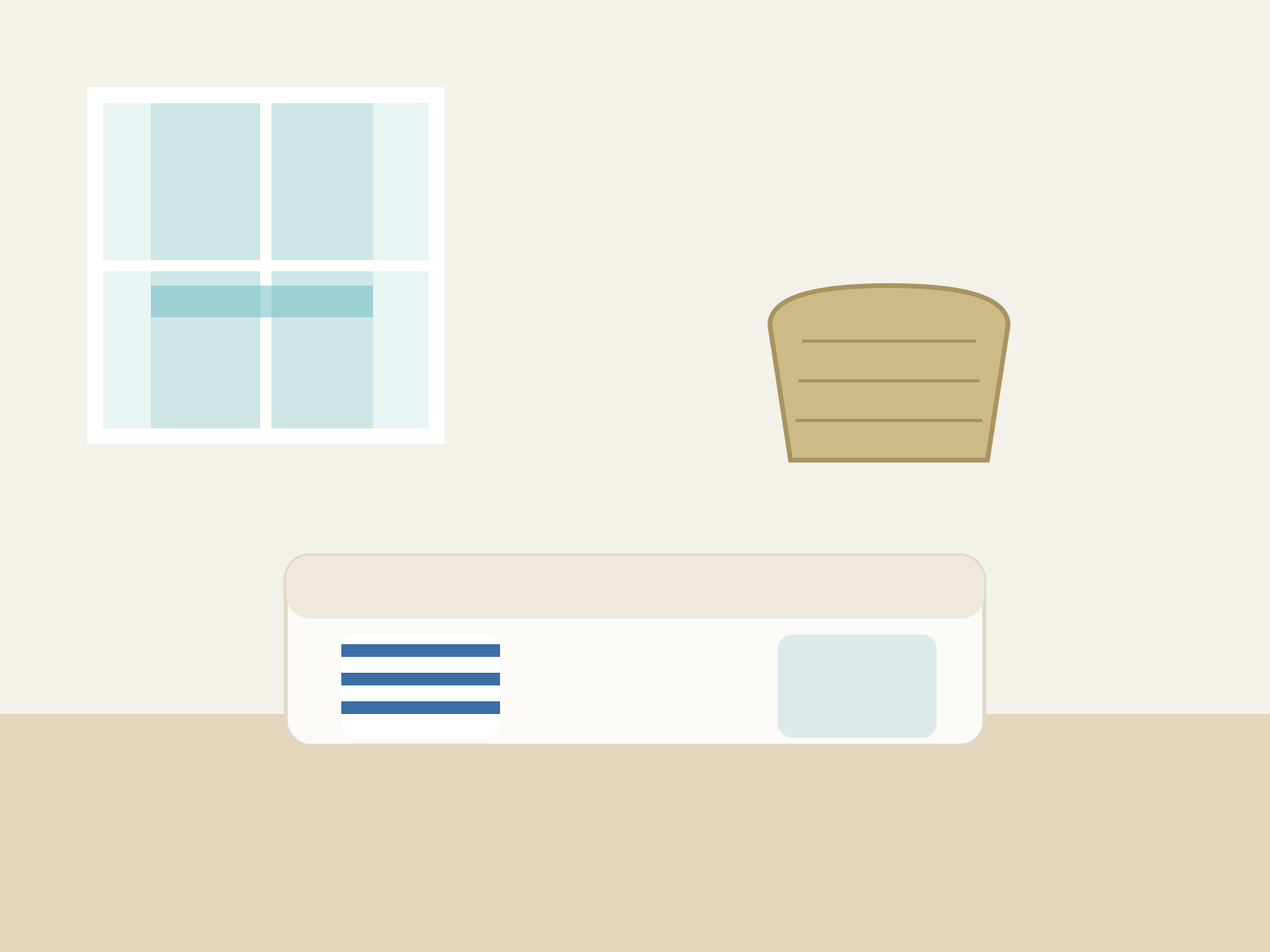
A light, airy, sea-inspired look built on whites, blues, and natural fibres that evokes breezy beach-house living. It blends nautical references with relaxed comfort and abundant natural light.
 2010s–present
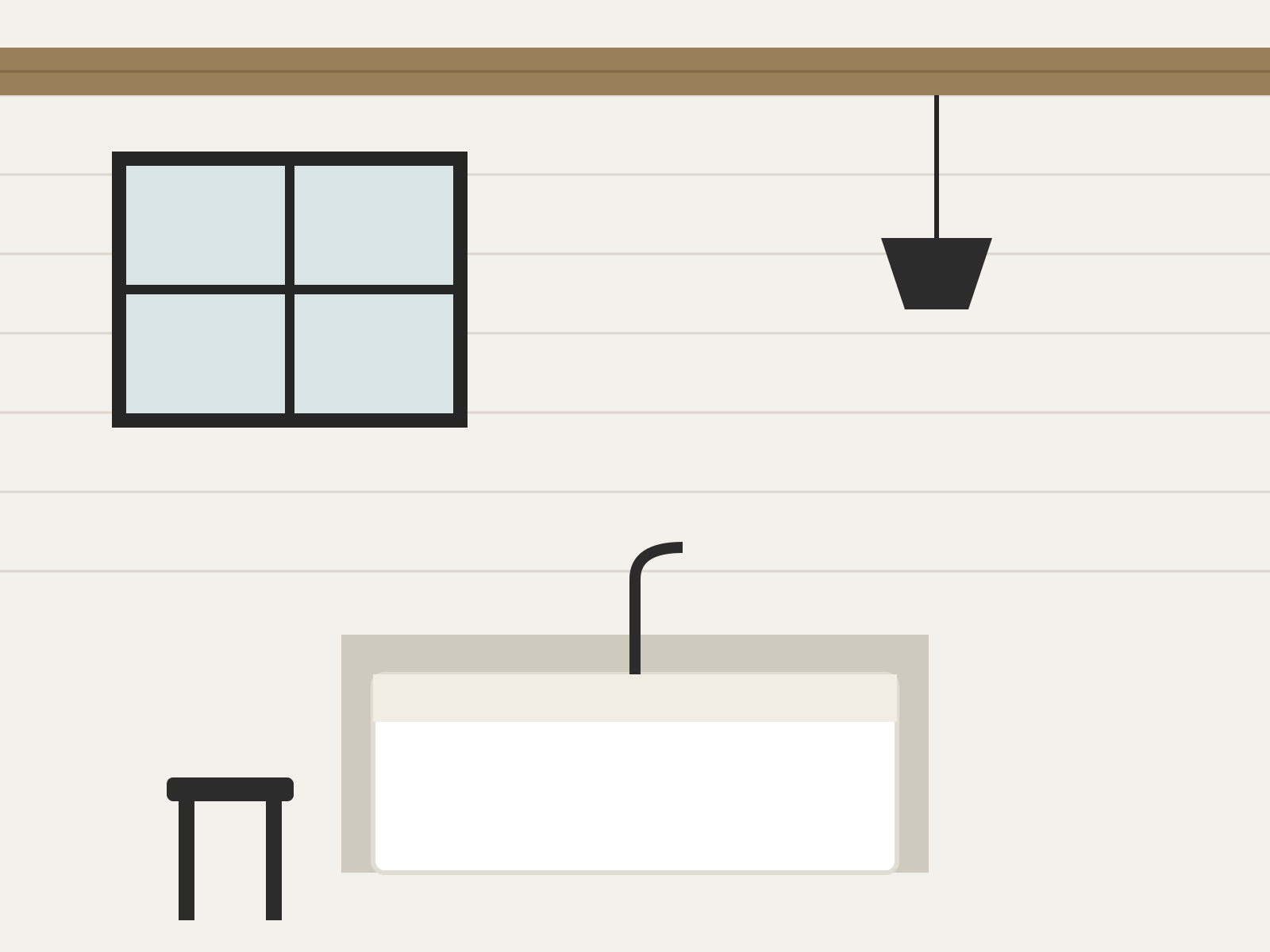
A hugely popular blend of rustic farmhouse warmth with clean contemporary lines — shiplap, neutral palettes, black accents, and reclaimed wood. It pairs country comfort with modern simplicity.
 1990s–present
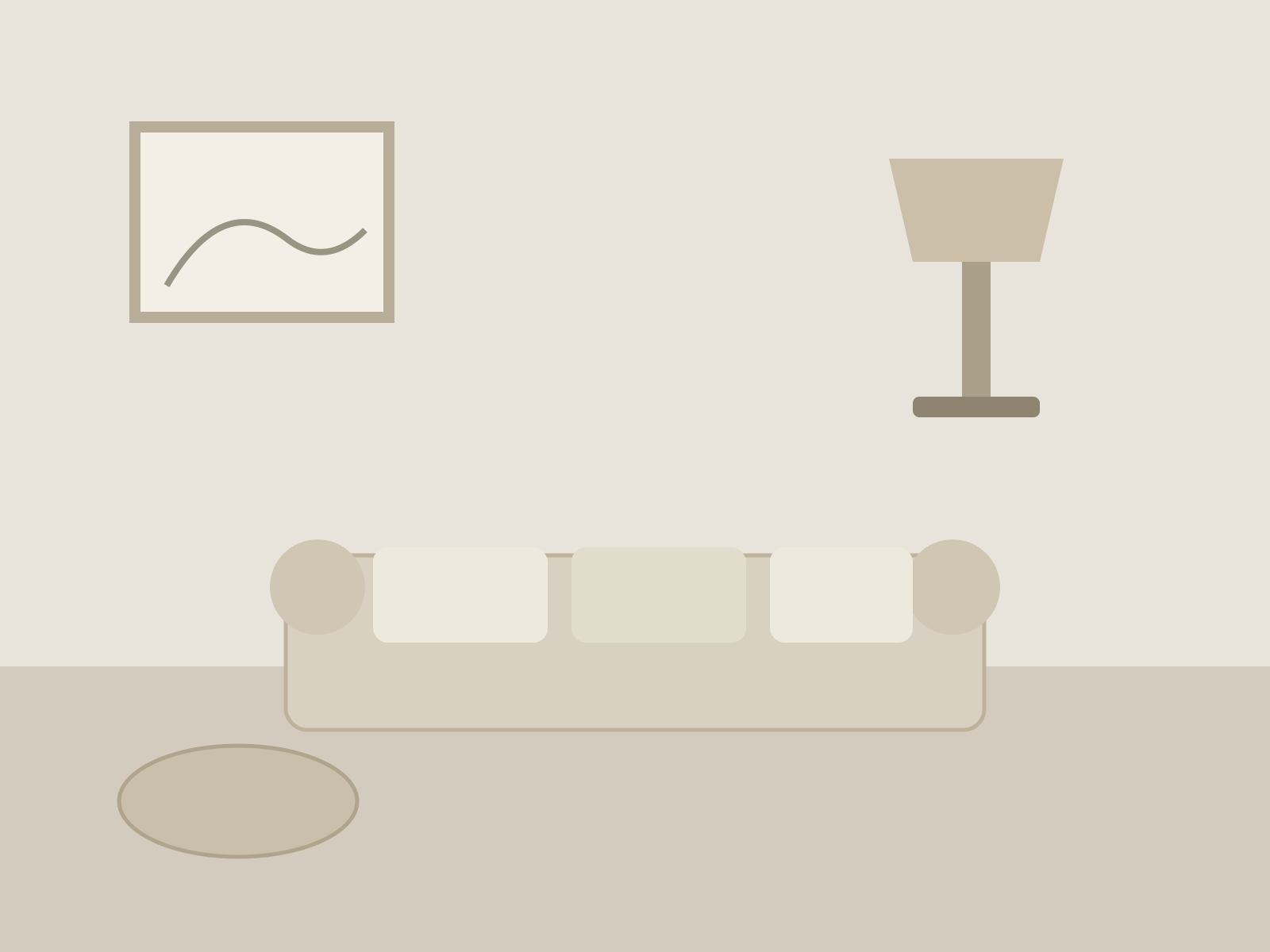
A balanced blend of traditional and contemporary design — classic forms stripped of fuss and paired with clean lines and neutral palettes. It aims for timeless, comfortable, broadly appealing rooms.
 2000s–present
A design approach that connects interiors to nature through living plants, natural light, organic materials, and natural views to improve wellbeing. It treats greenery and daylight as core design elements.
 2010s–present
A bold, abundant reaction against minimalism that embraces saturated color, layered pattern, collected objects, and visual richness. Its mantra is 'more is more', curated into joyful excess.
 2015–present
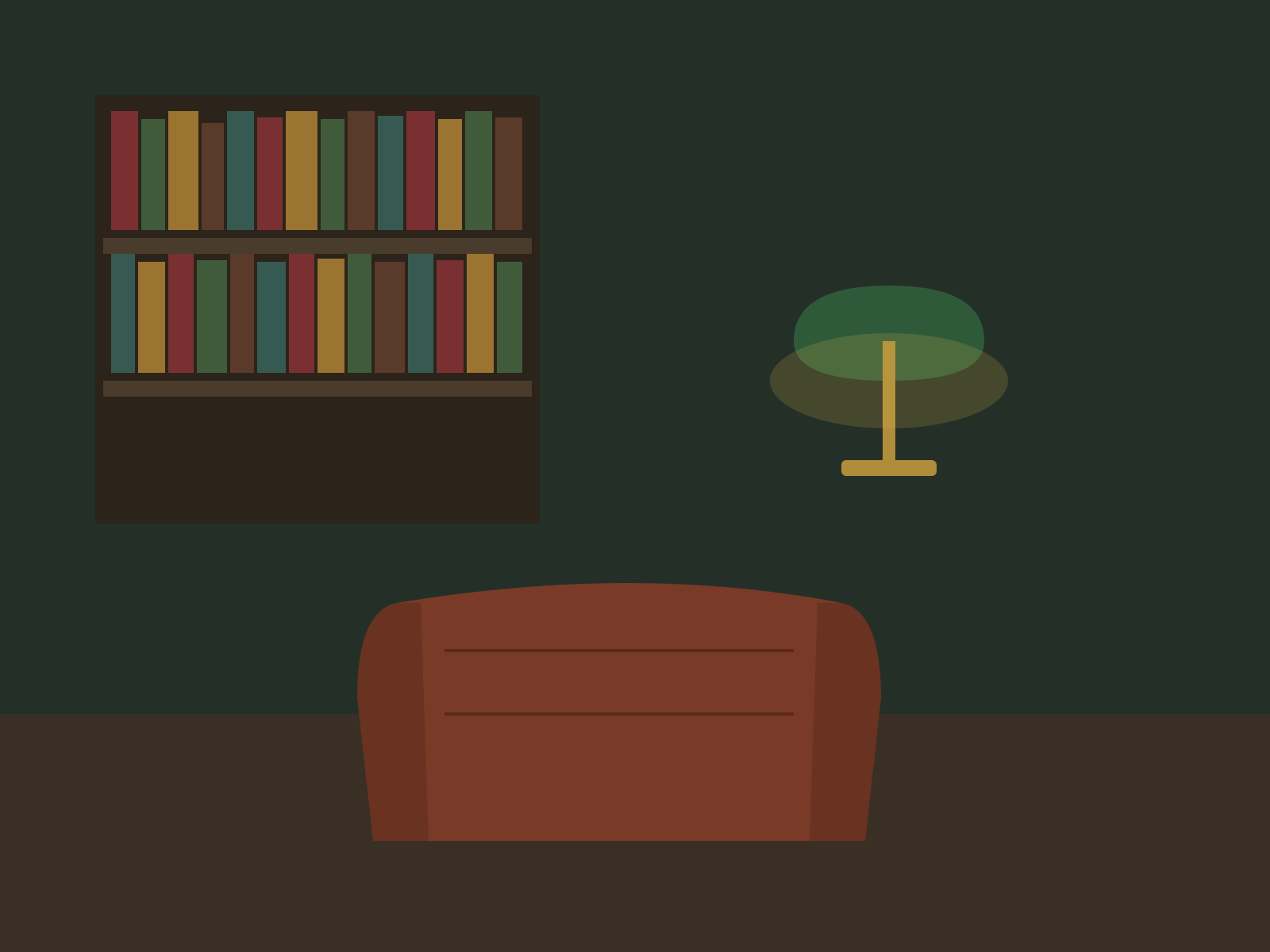
A moody, scholarly aesthetic romanticising classic learning, old libraries, and Gothic collegiate atmosphere through dark woods, leather, books, and rich tones. It evokes candlelit study and timeworn erudition.
 2019–present
A millennial revival of 'granny chic' traditional decor — chintz, scalloped edges, skirted furniture, and needlepoint — updated with fresh color and a knowing, layered sensibility. Nostalgia meets youthful confidence.
 1990s–present
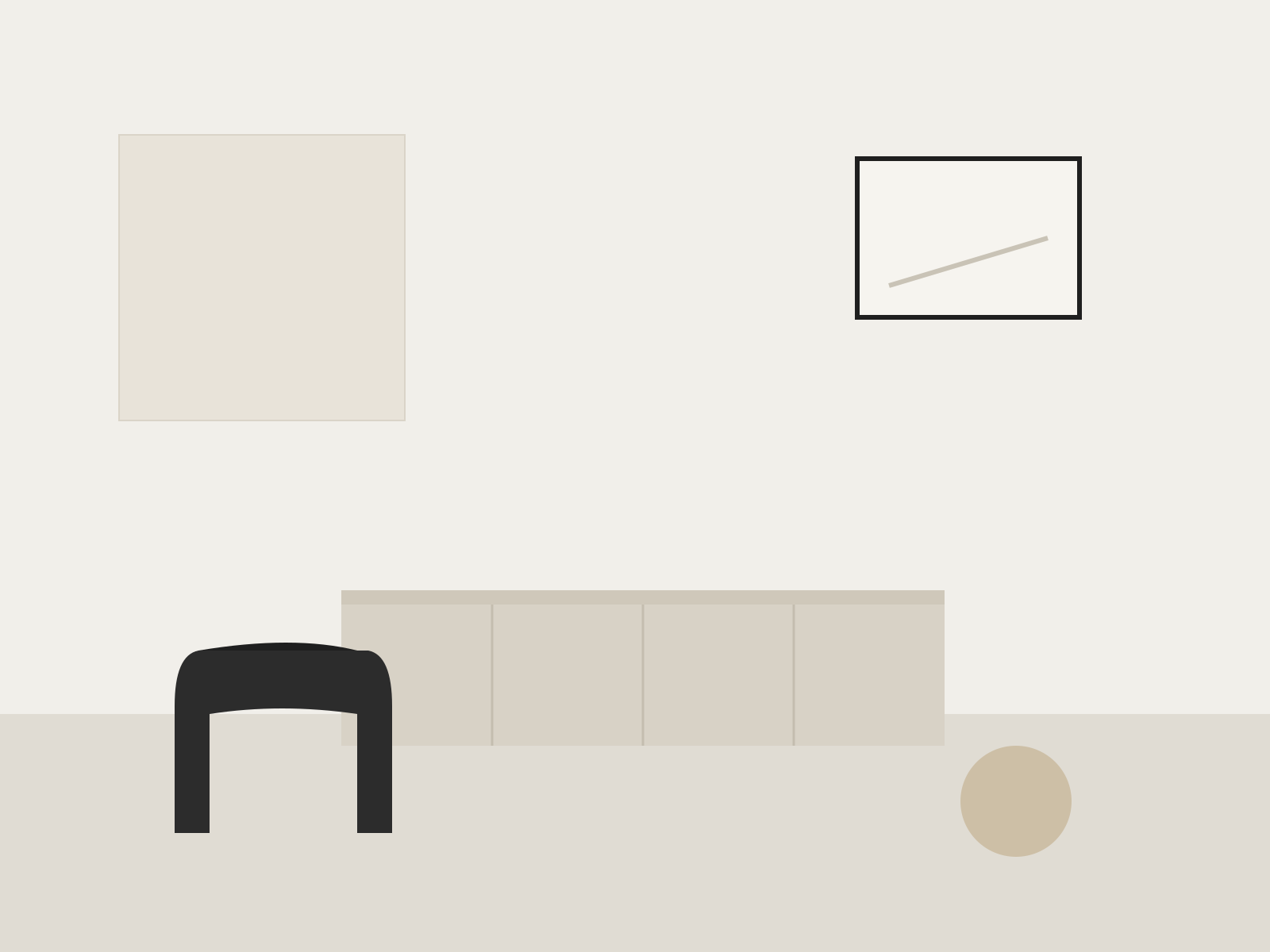
A pared-back contemporary look built on the principle that 'less is more' — clean lines, neutral palettes, hidden storage, and uncluttered space. It strips interiors to essential form, light, and material.
 2010s–present
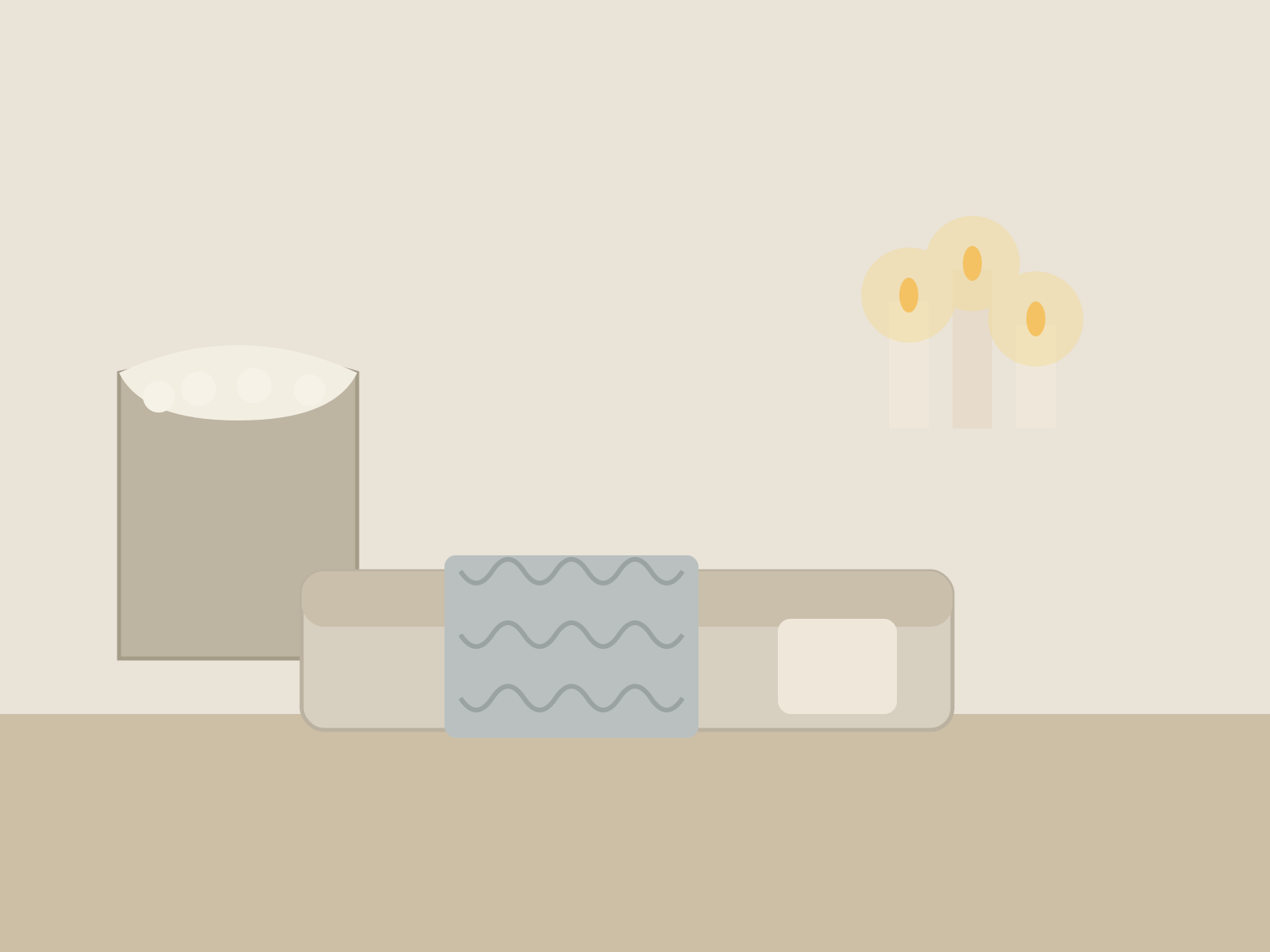
A Danish-rooted interior mood built around warmth, comfort, and intimacy — soft textiles, candlelight, and pared-back natural materials that make a room feel safe and snug.
 1980s–present
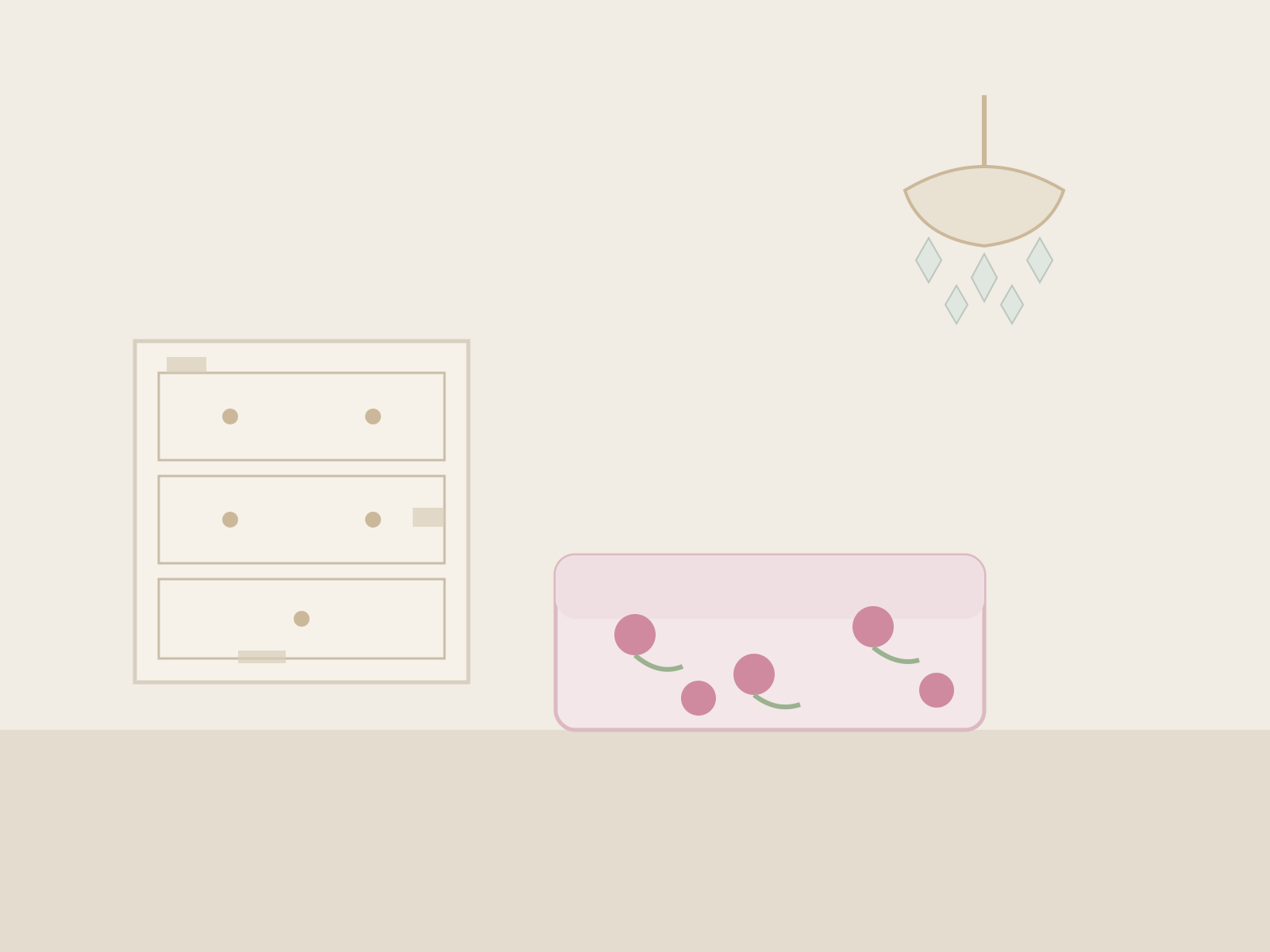
A soft, romantic style of deliberately worn and whitewashed furniture, faded florals, and pale pastels, evoking a genteel, time-softened country home.
Design Style Book interior design style index.