 1919–present
Silhouette Animation
An animation technique using jointed black cut-out figures shot in flat profile against backlit translucent backgrounds, producing graceful shadow-theater motion in pure silhouette.
AnimationCut-out
25 named styles of the moving image — across live-action film and animation, from the silent era to Pixar. Filter by family, era, or formal traits — or search by name, movement, or keyword.
25 styles
1919–presentAn animation technique using jointed black cut-out figures shot in flat profile against backlit translucent backgrounds, producing graceful shadow-theater motion in pure silhouette.
 1937–1967
The lush hand-painted cel animation of the classic Hollywood studios, defined by full fluid motion, painted backgrounds, multiplane depth, and warm storybook color.
.jpg&w=3840&q=75) 1920s–1930s
1920s–1930sThe earliest American cartoon style, with bendy boneless limbs, pie-cut eyes, white-gloved hands, and bouncy rhythmic motion, drawn in simple black-and-white rounded shapes.
 1898–present
Frame-by-frame animation of real physical puppets, clay figures, or objects, photographed one incremental pose at a time, with tangible texture, real light, and handmade sets.
 1963–present
The distinctive Japanese animation tradition marked by large expressive eyes, limited but dynamic motion, dramatic speed lines and held cinematic poses, and bold cel-shaded color.
 1985–present
The lush, hand-painted feature style of Japan's Studio Ghibli, defined by luminous watercolor landscapes, soft naturalism, gentle character design, and small figures in vast nature.
 1995–present
The polished computer-animated feature look defined by warm global-illumination rendering, rounded appealing forms, soft shallow-focus 'virtual cinematography,' and bright bounce light.
 1998–present
The fastidiously symmetrical, pastel-toned auteur look of Wes Anderson, with centered planimetric framing, flat frontal staging, dollhouse tableaux, and deadpan storybook precision.
 2013–present
The contemporary 'elevated' indie look associated with distributor A24: atmospheric naturalism, moody motivated light, neon or pastel accents, careful composition, and slow unsettling mood.
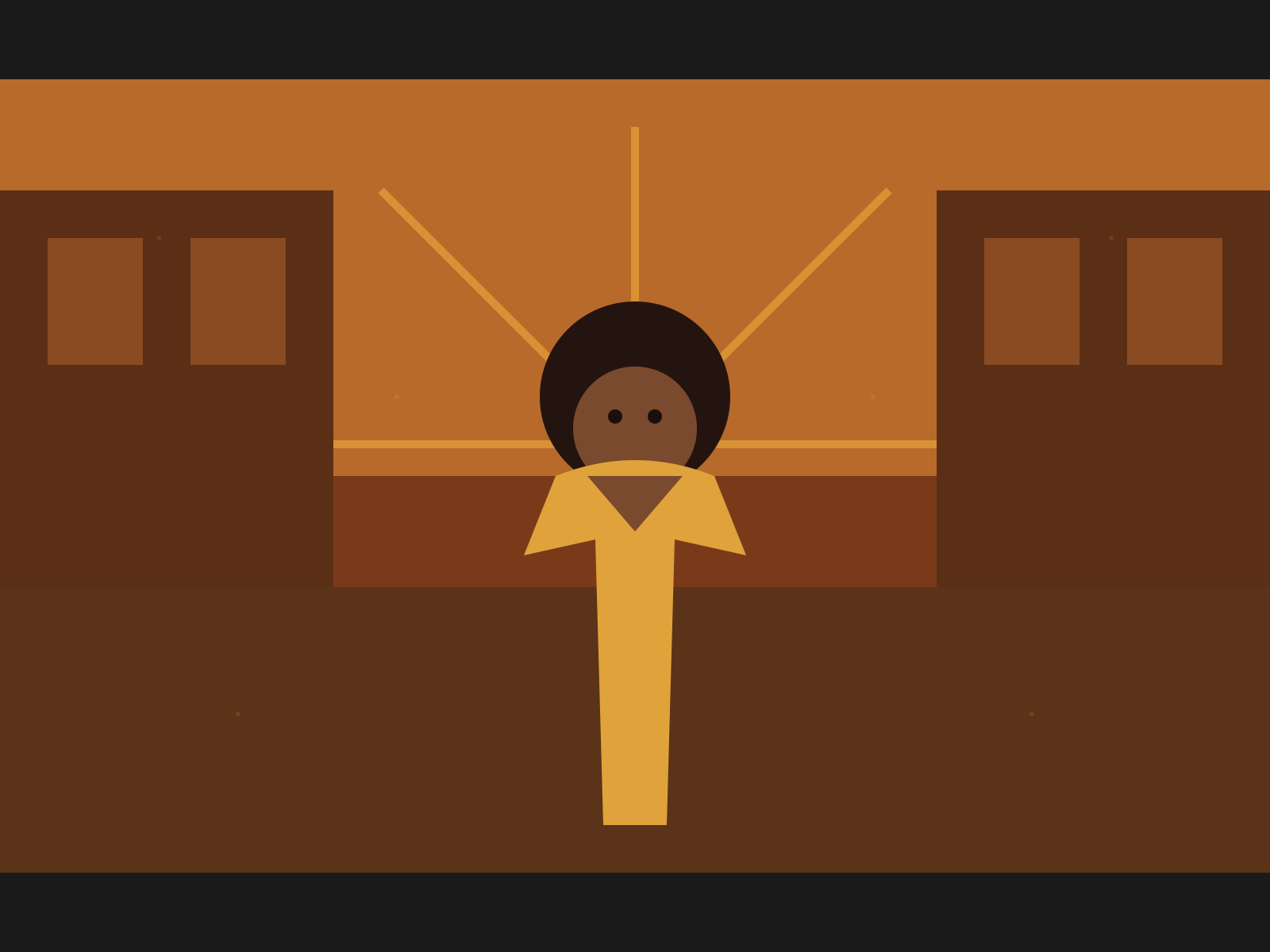 1971–1979
An early-1970s cycle of Black-led American action films with gritty urban location shooting, warm naturalistic 70s color, funk-driven energy, bold fashion, and streetwise swagger.
 1984–present
A fictional style that mimics documentary form—handheld observational camera, talking-head interviews, zooms, and faux-candid framing—to play comedy or satire as if it were real.
 1990s–present
A high-density, sensory-overload style of densely packed frames, saturated clashing color, rapid kinetic editing, restless camera, and ornate excess pushing image and energy to the maximum.
 1890s–1929
The first three decades of motion pictures, before synchronized sound, when story was carried by pantomime performance, intertitles, and a purely visual grammar of light, framing, and editing.
 1919–1931
A Weimar-era movement that externalized psychological dread through distorted painted sets, jagged shadows, and stark chiaroscuro, turning the screen into a subjective mindscape.
 1924–1935
A 1920s Soviet movement that treated editing as the essence of cinema, colliding short shots to generate ideas and emotion through rhythmic, dialectical juxtaposition.
 1940–1959
A 1940s–50s cycle of American crime dramas defined by low-key chiaroscuro, deep shadow, wet night streets, and morally shadowed worlds of detectives, femmes fatales, and doomed men.
 1939–1958
The lavish Golden-Age Hollywood musical photographed in saturated three-strip Technicolor, with high-key lighting, jewel-toned sets, and choreography staged for an immersive moving camera.
 1943–1952
A postwar Italian movement that filmed ordinary working-class life on real streets with available light, non-professional actors, and a plain, documentary-grade visual style.
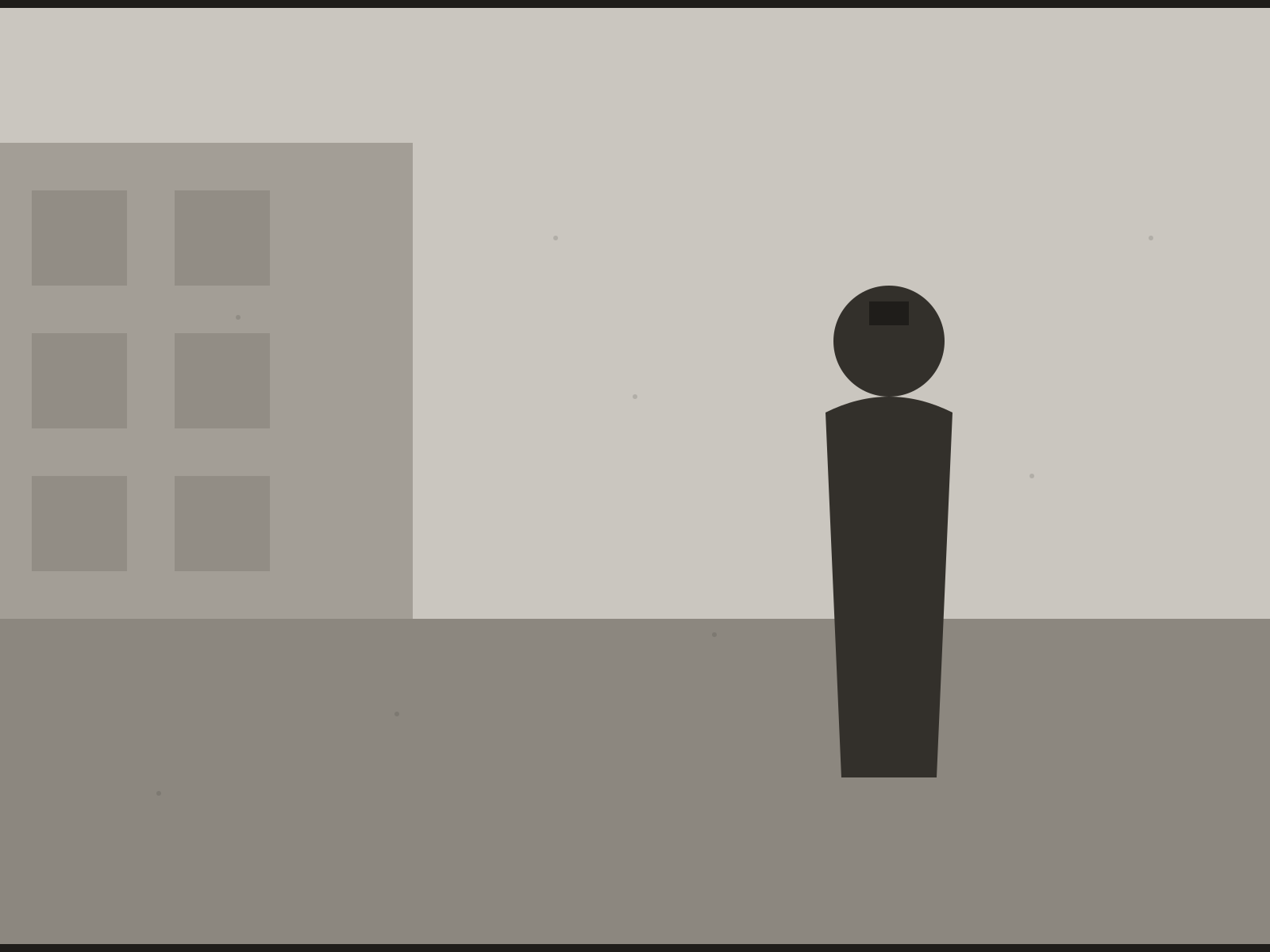 1958–1968
A late-1950s French movement of young critic-directors who shot fast and cheap with lightweight cameras on real streets, embracing jump cuts, handheld energy, and self-aware play.
 1964–1978
Italian-made Westerns shot in sun-bleached Spanish deserts, defined by extreme close-up/wide-shot contrasts, anamorphic vistas, operatic stylization, and gritty, amoral antiheroes.
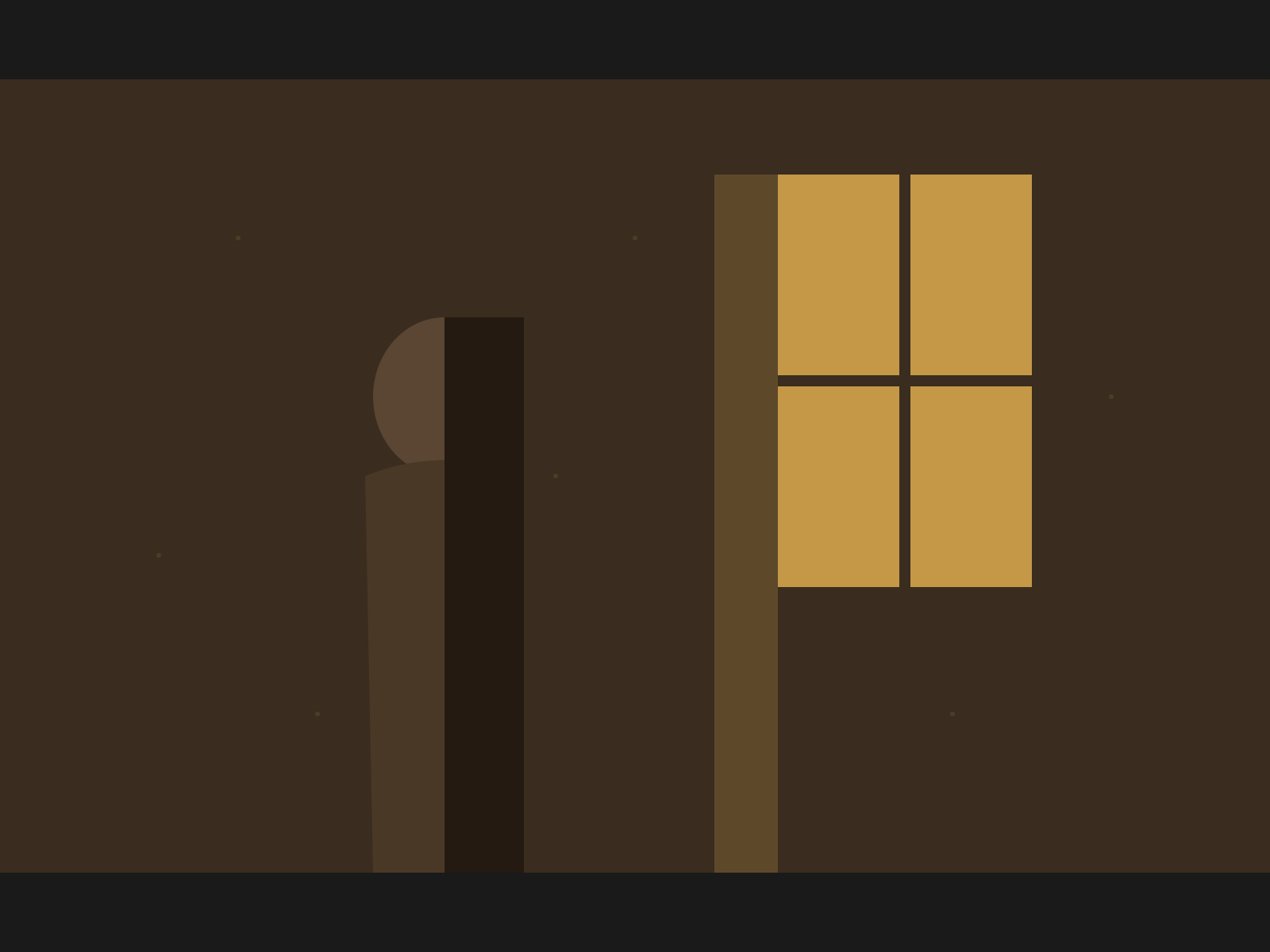 1967–1980
A late-1960s–70s American movement of auteur-driven films using naturalistic location shooting, available light, long lenses, and grainy realism to portray a darker, ambiguous America.
 1974–present
The modern revival of film noir in color, updating chiaroscuro shadow, moral murk, and femme-fatale tropes with neon, saturated darkness, and contemporary urban settings.
 1982–present
A visual mode of dystopian high-tech futures—rain-soaked neon megacities, holographic signage, and a teal-and-magenta haze—fusing noir shadow with maximalist electric color.
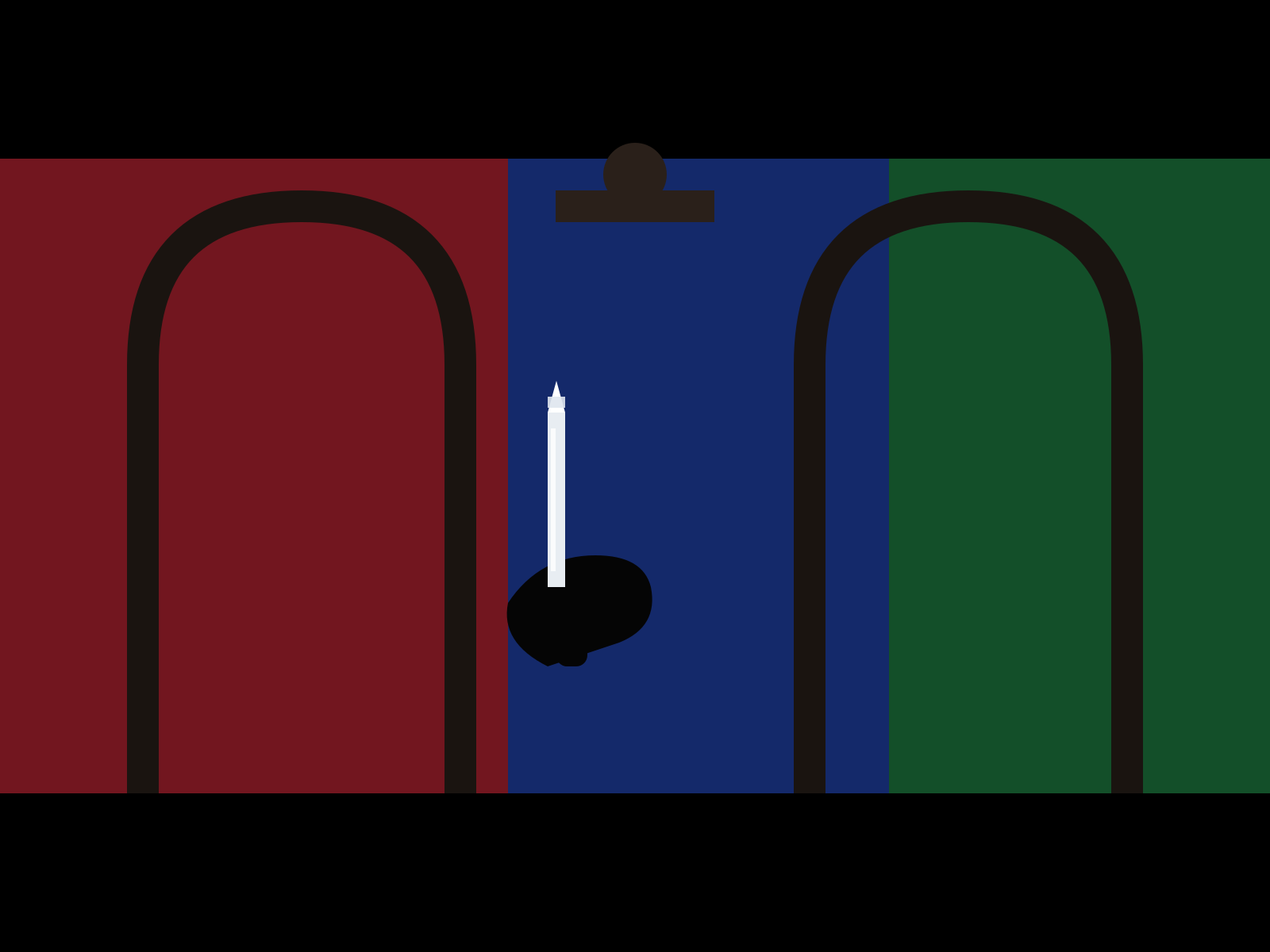 1963–1982
Italian thriller-horror defined by lurid saturated gel lighting, black-gloved killers, baroque set design, and stylized, fetishistic violence shot with roving subjective camerawork.
 1995–2005
A 1995 Danish avant-garde manifesto stripping film to handheld, location-only, natural-light shooting with no artificial light, props, or score—a raw, ascetic digital-era realism.
Design Style Book cinematography style index.