 1840s–1900
Victorian Graphic Design
A dense, polychrome commercial idiom built on chromolithography, crowding trade cards and advertisements with ornate borders, layered display faces, and saturated color.
VictorianOrnamental
78 named styles, from Victorian chromolithography to vaporwave. Filter by family, era, or formal traits — or search by name, designer, or keyword.
78 styles
1840s–1900A dense, polychrome commercial idiom built on chromolithography, crowding trade cards and advertisements with ornate borders, layered display faces, and saturated color.
 1860s–1900s
A reform movement in book design led by William Morris's Kelmscott Press, reviving dense medieval page architecture with hand-drawn borders, woodcut ornament, and unified type-and-image craft.
 1890–1910
The poster and print language of the Belle Époque — sinuous 'whiplash' line, idealized women wreathed in flowers and flowing hair, ornamental borders, and hand-drawn lettering fused into a single decorative whole.
 1897–1920
The graphic output of the Vienna Secession and Wiener Werkstätte, marrying gridded geometric ornament to gilded, Klimt-era pattern, custom square lettering, and the near-square journal Ver Sacrum.
 1905–1920s
A radically reductive German poster style that strips the advertisement to a single product, a brand name, and a flat field of color — the 'object poster' that founded modern advertising design.
 1936–1943
Depression-era American public-service posters from the Federal Art Project's silkscreen workshops, built from flat planes of color, bold sans-serif lettering, and streamlined geometric imagery.
 1909–1939
The explosive typographic wing of Italian Futurism, in which words were 'set free' — letters of every size, weight, and angle hurled across the page to convey speed, noise, and the dynamism of the machine age.
 1916–1924
The anarchic, anti-art graphic language of Dada, which invented photomontage and ransom-note typography — slicing apart mass-media photographs and mixed type to mock a civilization that had marched into world war.
 1919–1934
The hard-edged revolutionary graphics of the Soviet avant-garde — bold red and black diagonals, dynamic photomontage, and sans-serif type marshalled like engineering to build a new socialist visual culture.
 1917–1931
The radically reductive Dutch graphic language of De Stijl — strict horizontals and verticals, primary colors with black and white, and geometric letterforms built only from rectangles and the right angle.
 1919–1933
The functional, geometric graphic language forged at the Bauhaus — lowercase sans-serif type, asymmetric layouts, primary colors, and the marriage of typography with photography into a rational visual system.
 1925–1935
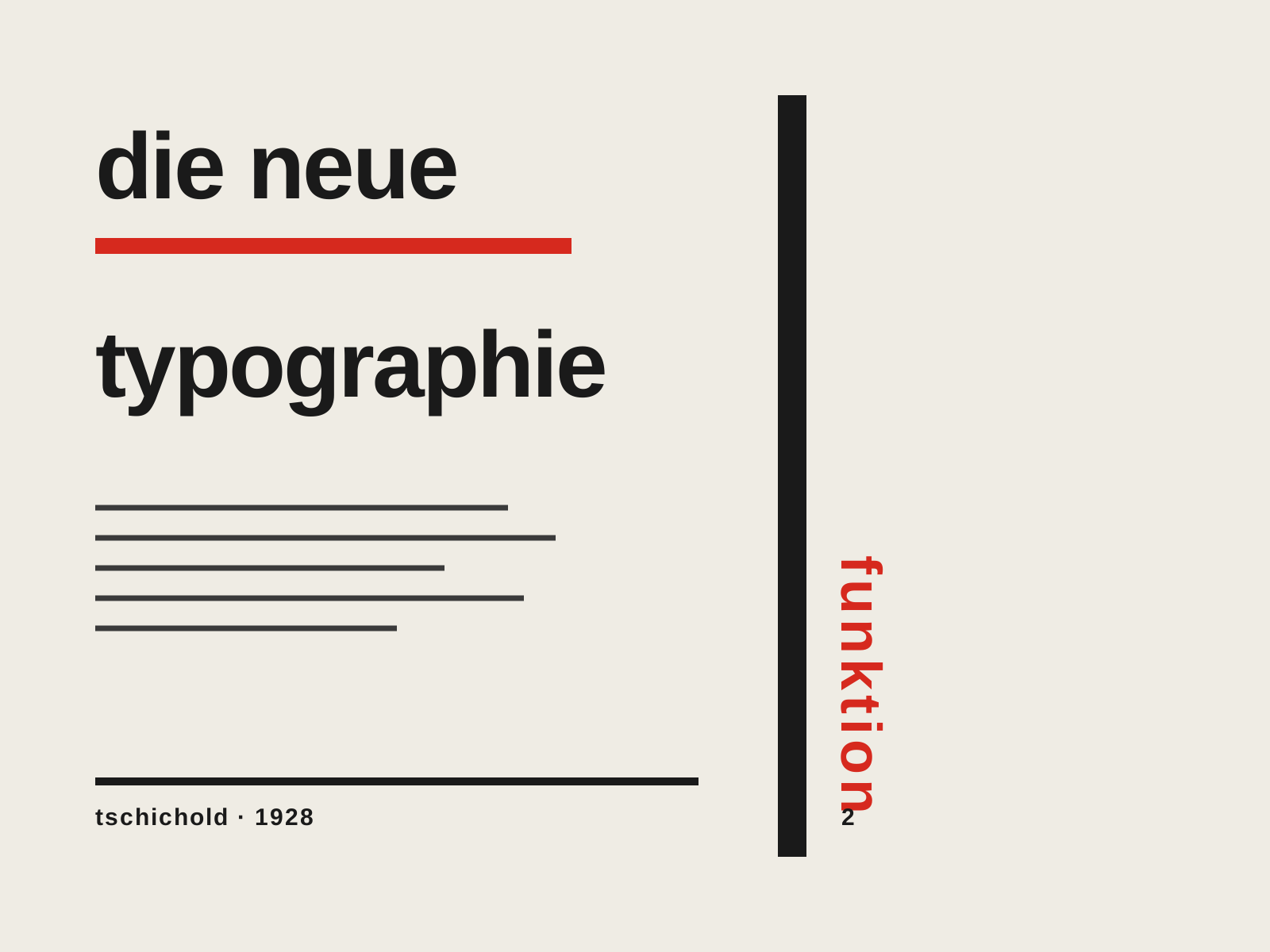
The rigorous modernist program codified by Jan Tschichold — asymmetric layouts, sans-serif type, and the functional grid presented not as art but as a rational set of rules for clear, efficient communication.
 1920–1939
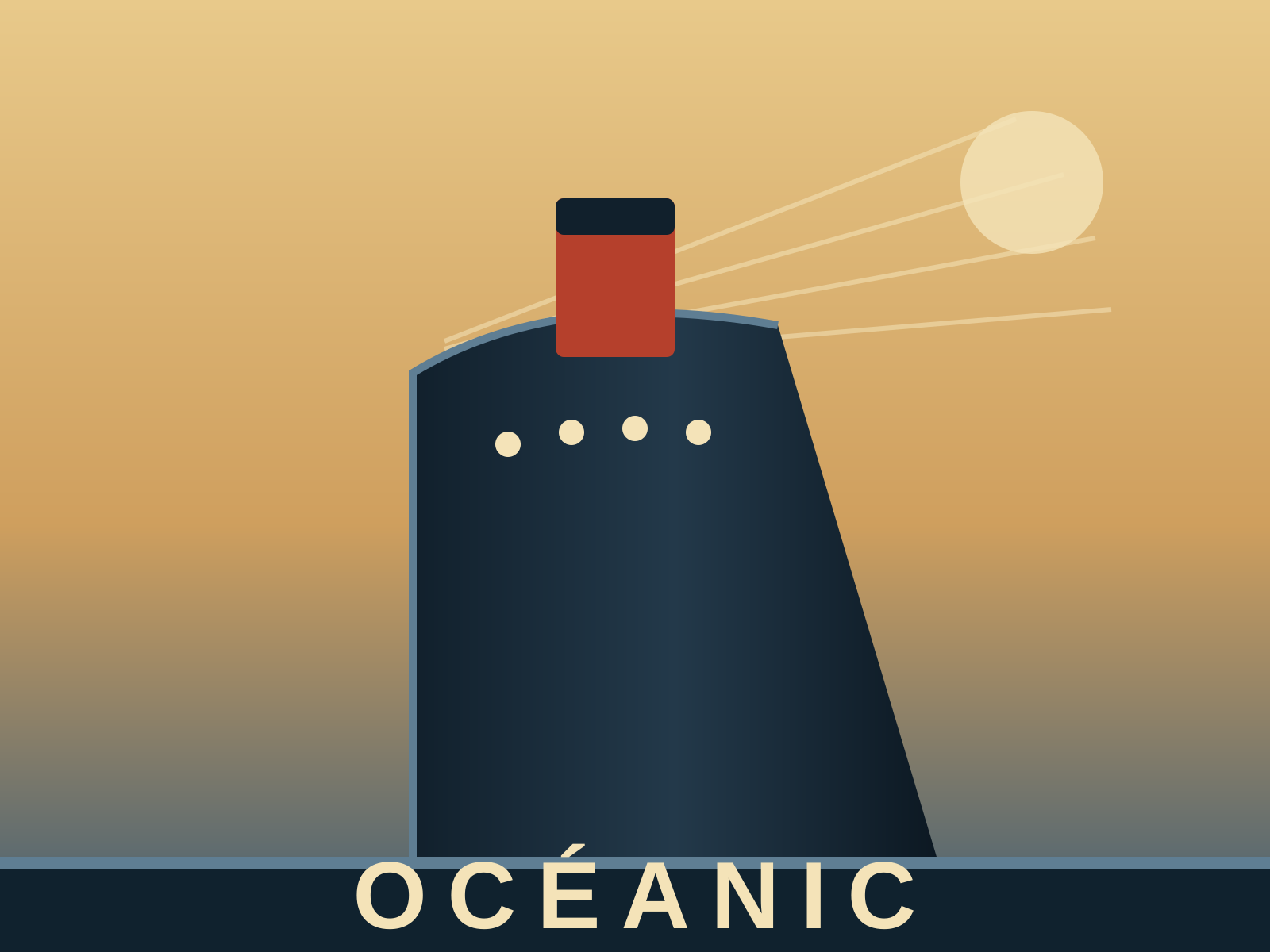
The streamlined, glamorous poster style of the Jazz Age — bold geometric stylization, dramatic flat color, airbrushed volume, and elegant geometric lettering selling ocean liners, trains, and modern luxury.
 1950s–1970s
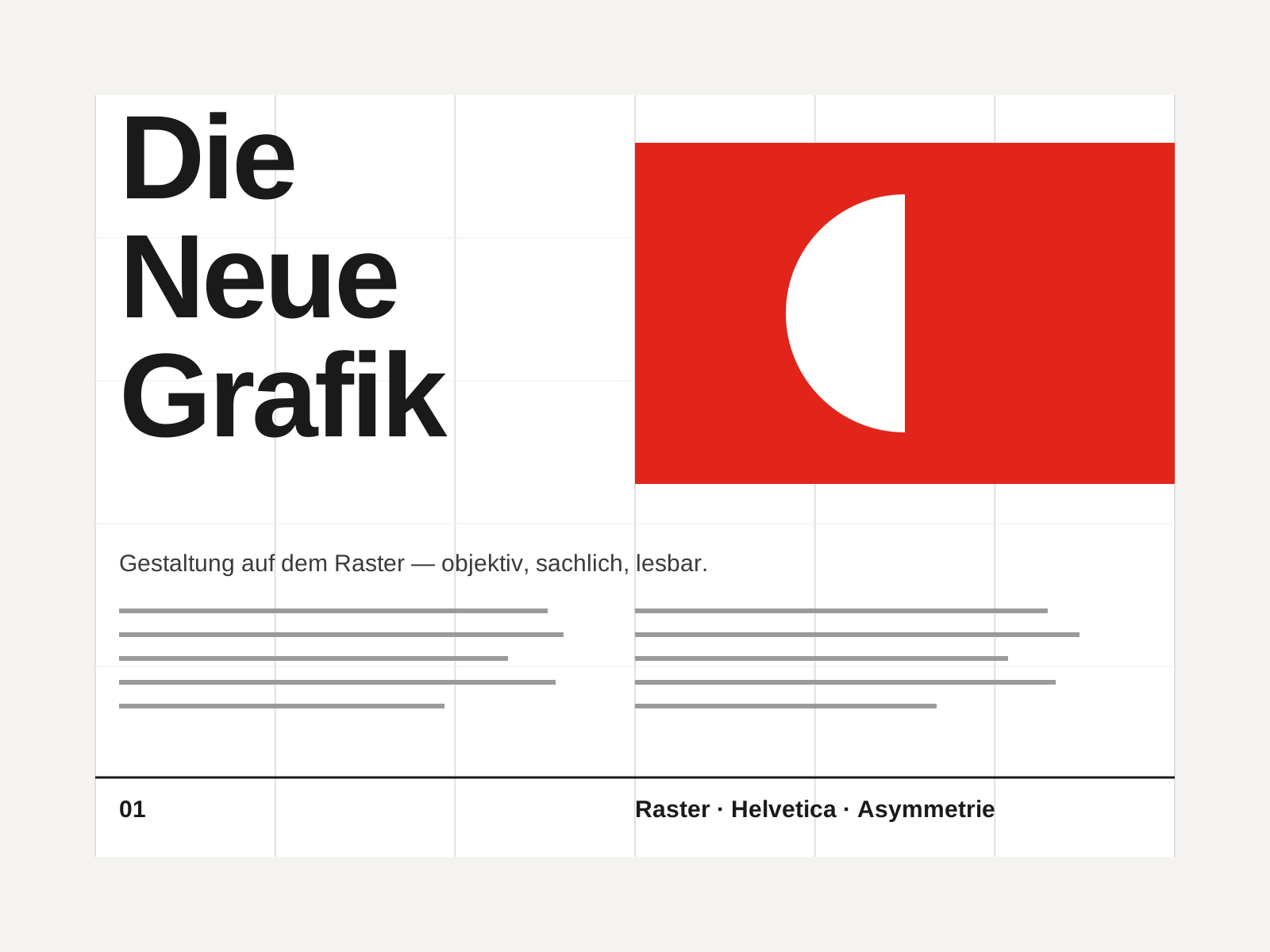
The mid-century gospel of objective design — mathematical grids, flush-left ragged-right sans-serif type (Helvetica, Akzidenz-Grotesk), generous white space, and photography in place of illustration.
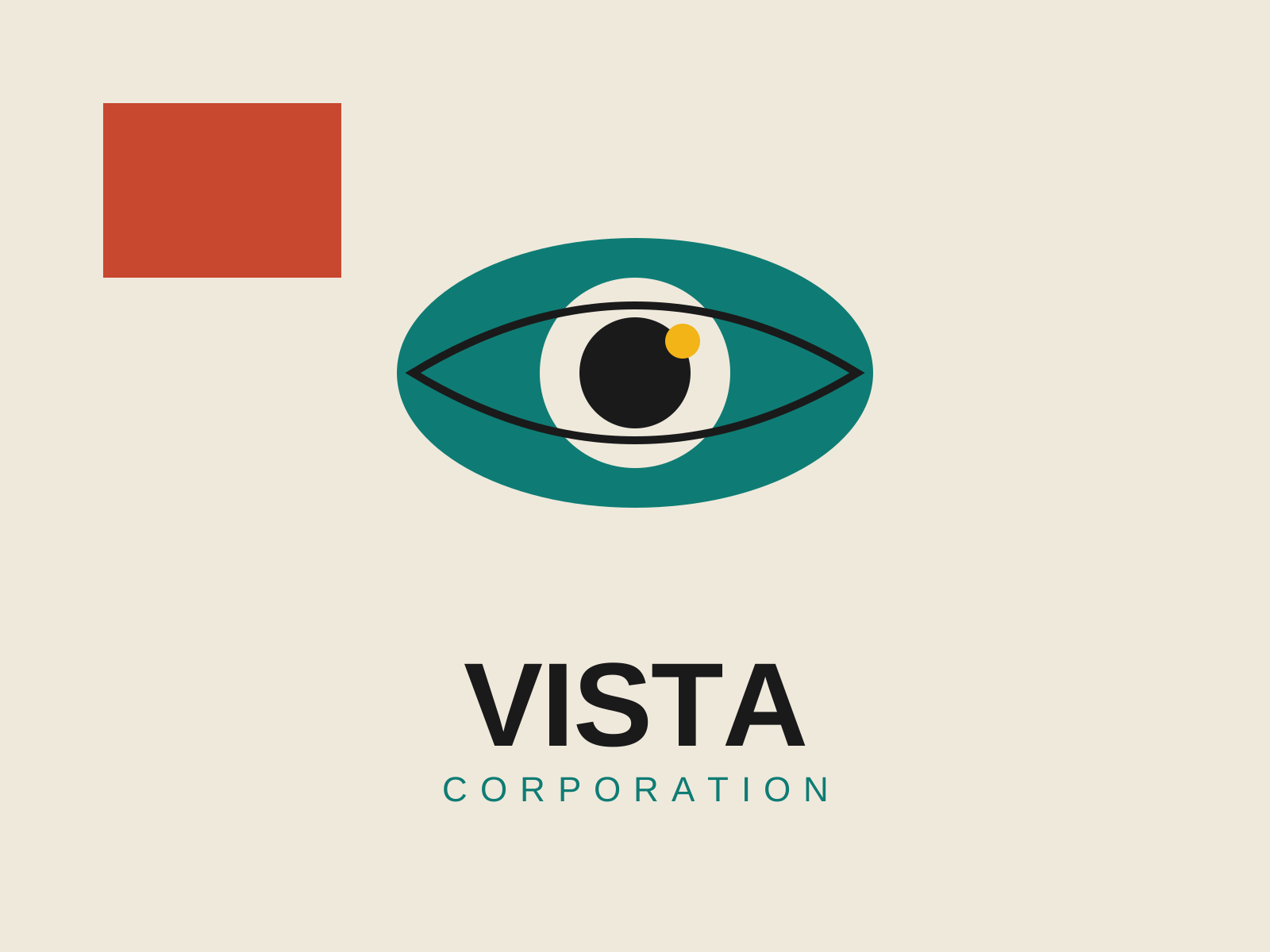 c. 1945–1970
Postwar American graphic design that married European modernist rigor with Madison Avenue optimism, building the visual language of the corporate logo, the trademark, and the witty conceptual poster.
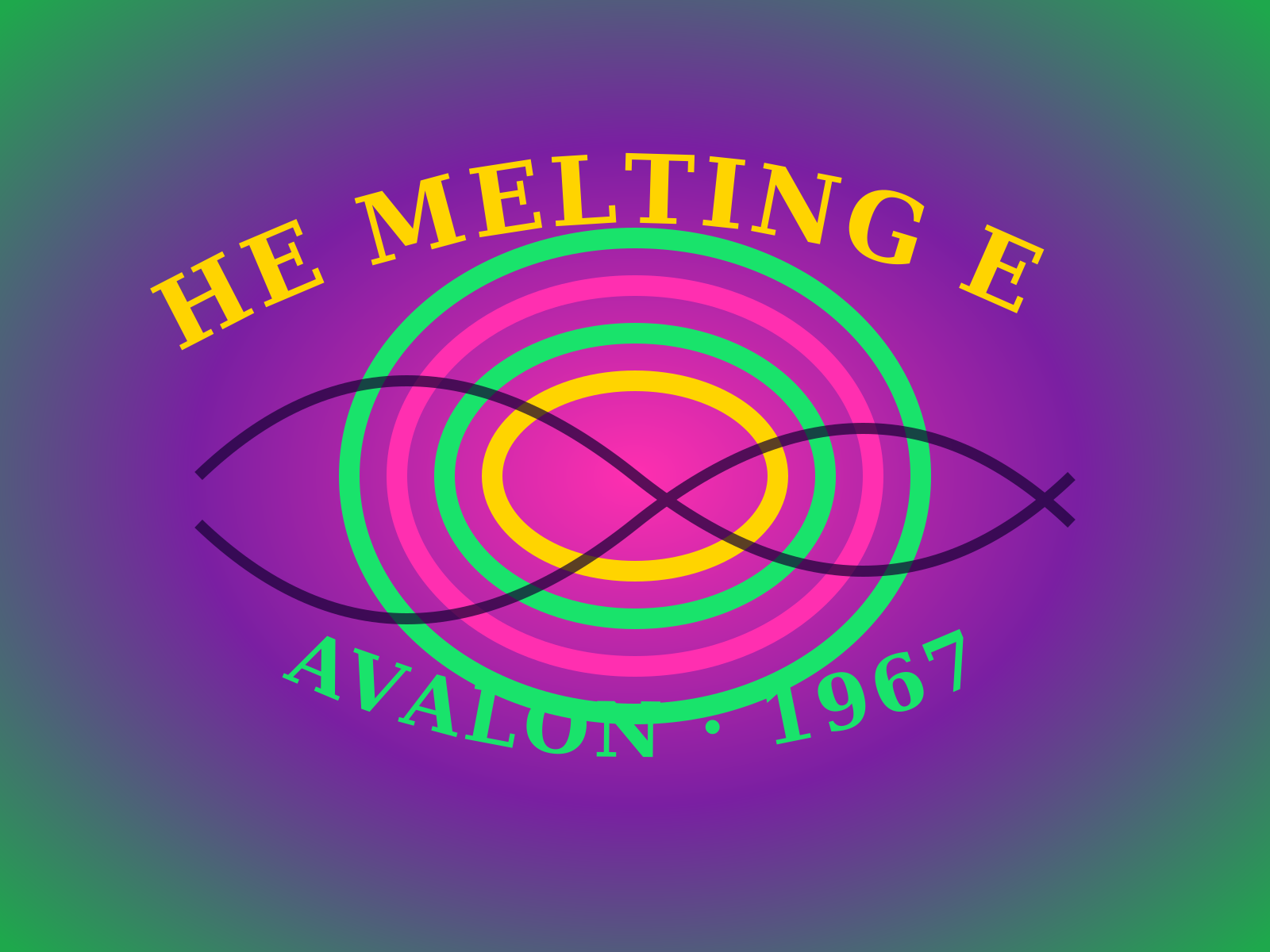 c. 1966–1971
The hallucinatory concert-poster style of 1960s San Francisco, built on vibrating complementary colors, melting hand-lettering you can barely read, and swirling Art Nouveau revival forms.
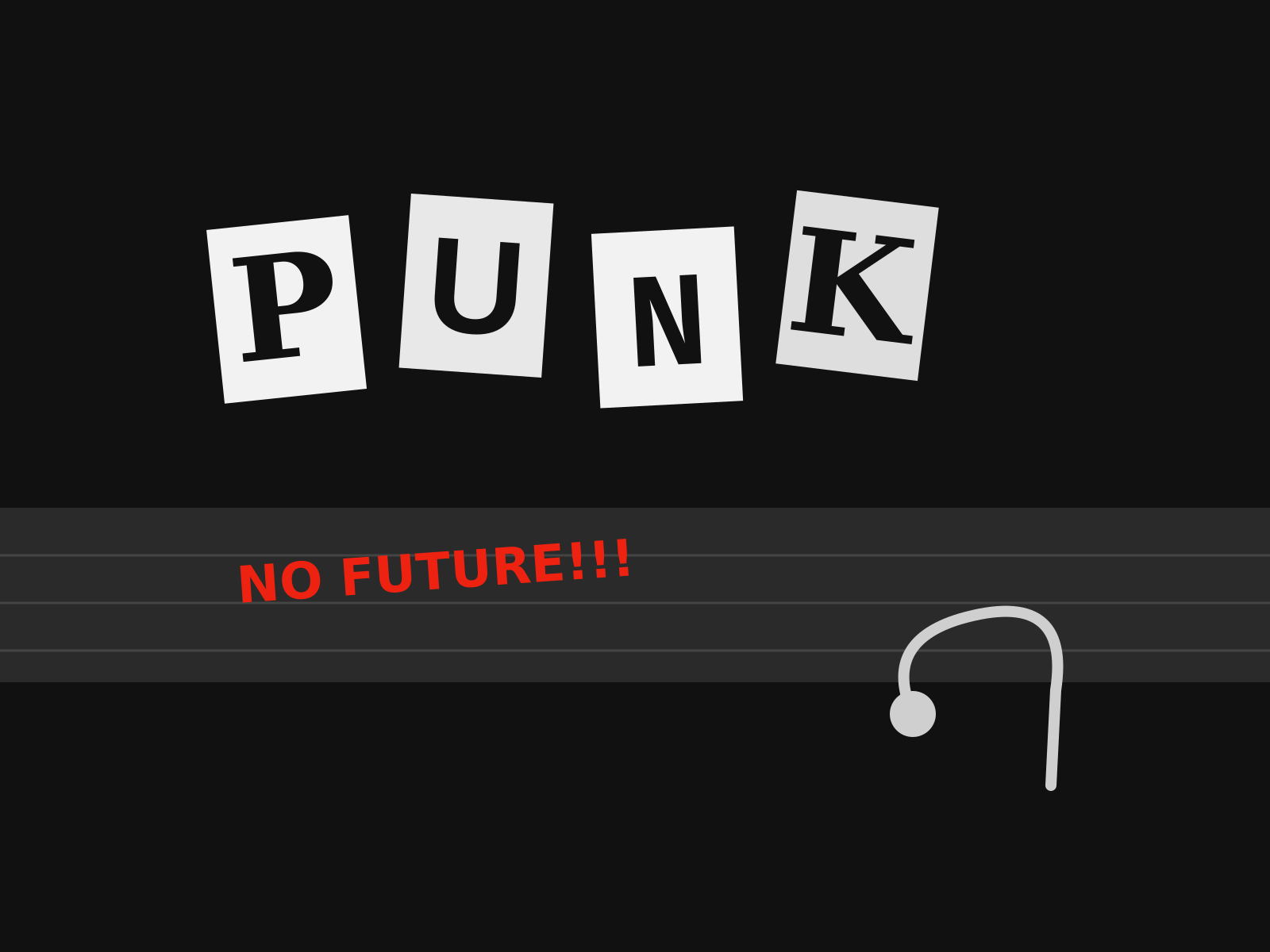 c. 1976–1984
The aggressive do-it-yourself aesthetic of punk, built from ransom-note lettering, photocopied collage, torn paper, and a deliberate rejection of professional polish.
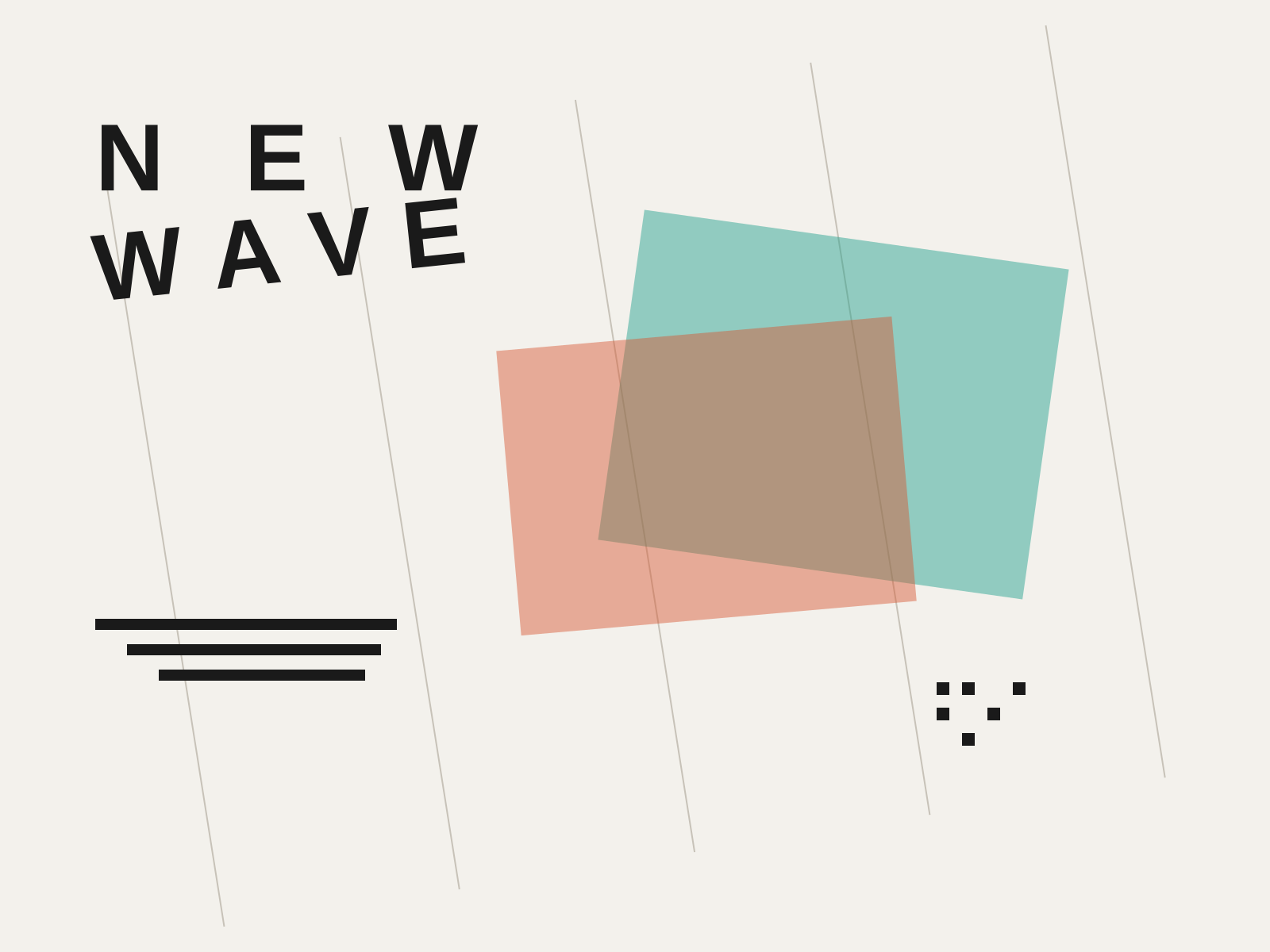 c. 1970s–1990s
The rule-breaking reaction against rigid Swiss modernism, fracturing the grid with tilted type, layered transparency, and an embrace of complexity, ambiguity, and digital experimentation.
 c. 1981–1990
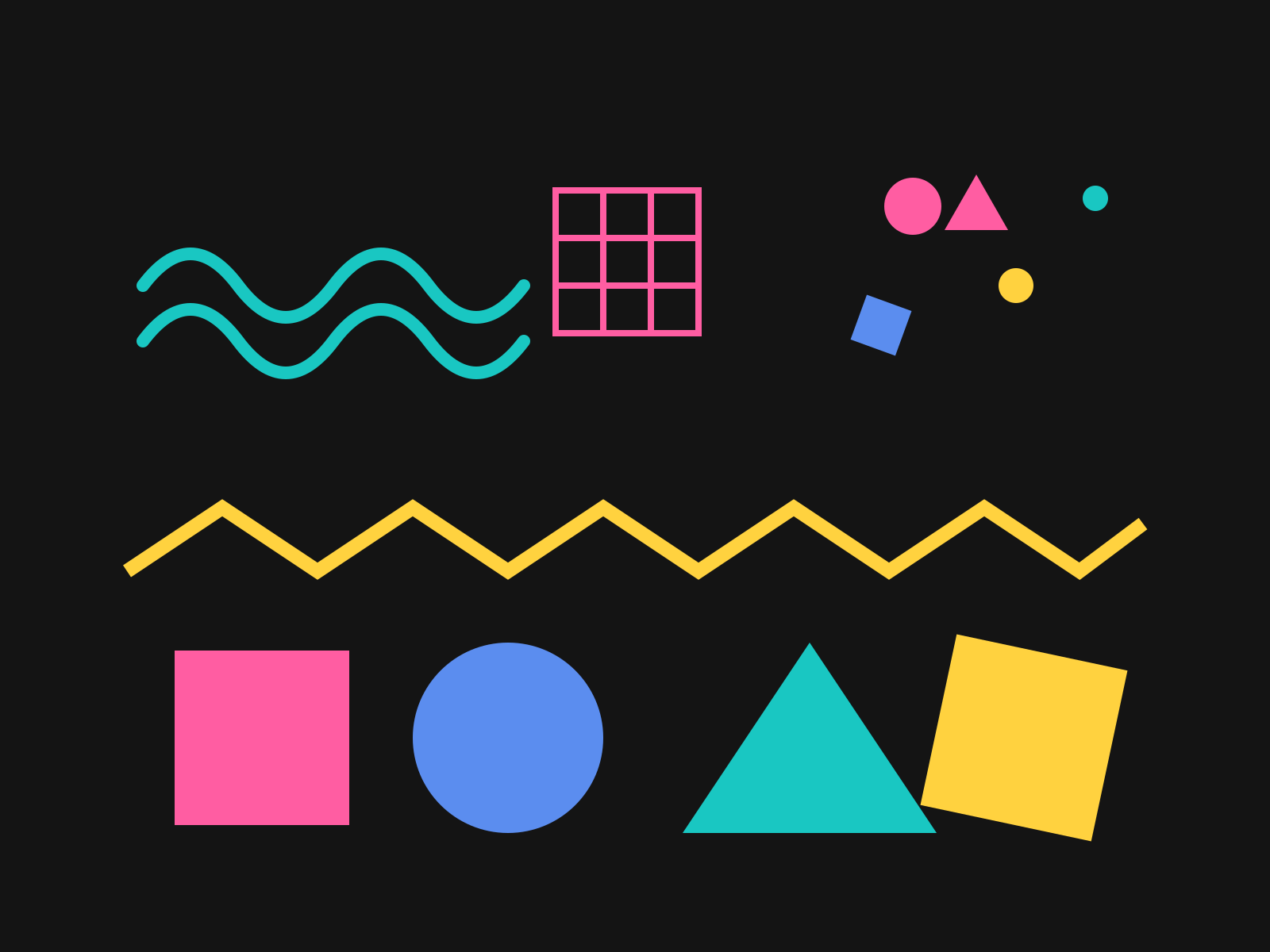
The playful, anti-tasteful 1980s style born from Milan's Memphis Group — squiggles, confetti dots, zigzags, and clashing pastel-and-primary color against black.
 c. 1990–1999
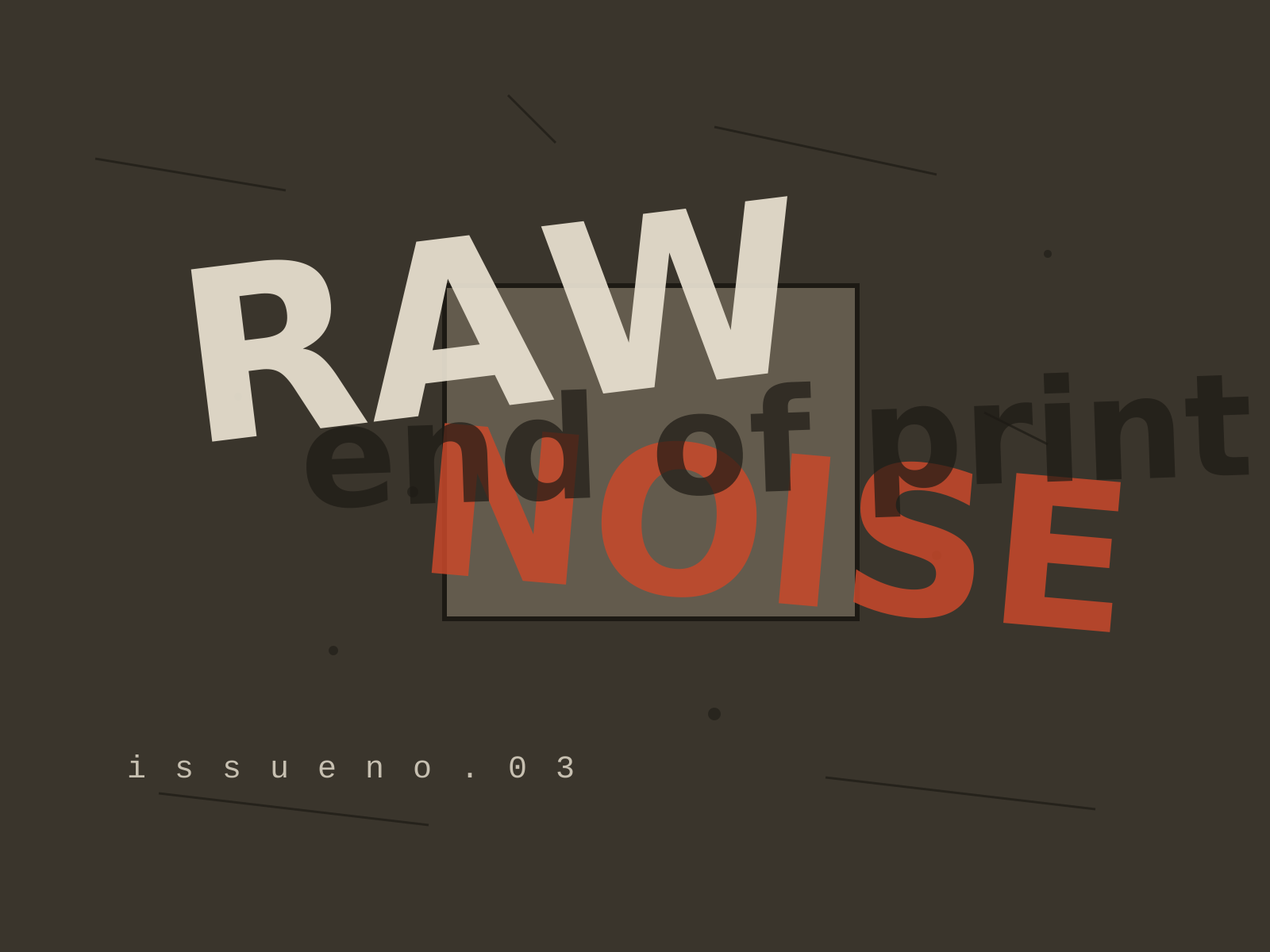
The deconstructed, anti-legible typography of the 1990s, where text was layered, distressed, and shattered into texture in defiance of every readability rule.
 c. 2010–2017
The deliberately two-dimensional interface style that stripped away skeuomorphic shadows, gradients, and textures in favor of solid color, crisp icons, and clean typography.
 2014–present
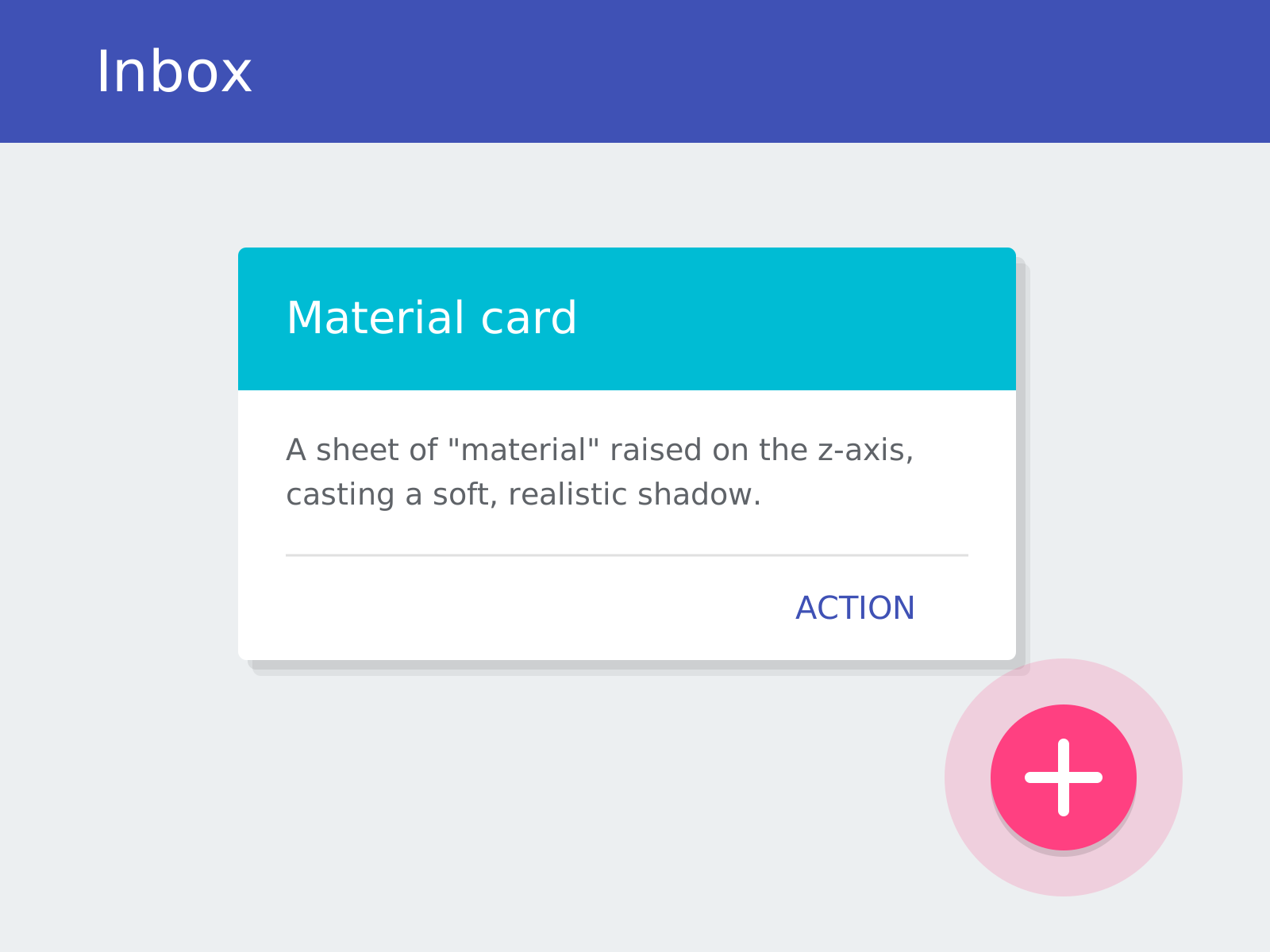
Google's comprehensive design system that reimagines flat interfaces as sheets of digital 'material,' using elevation, realistic shadows, and physics-based motion to give pixels tangible behavior.
 c. 2011–present
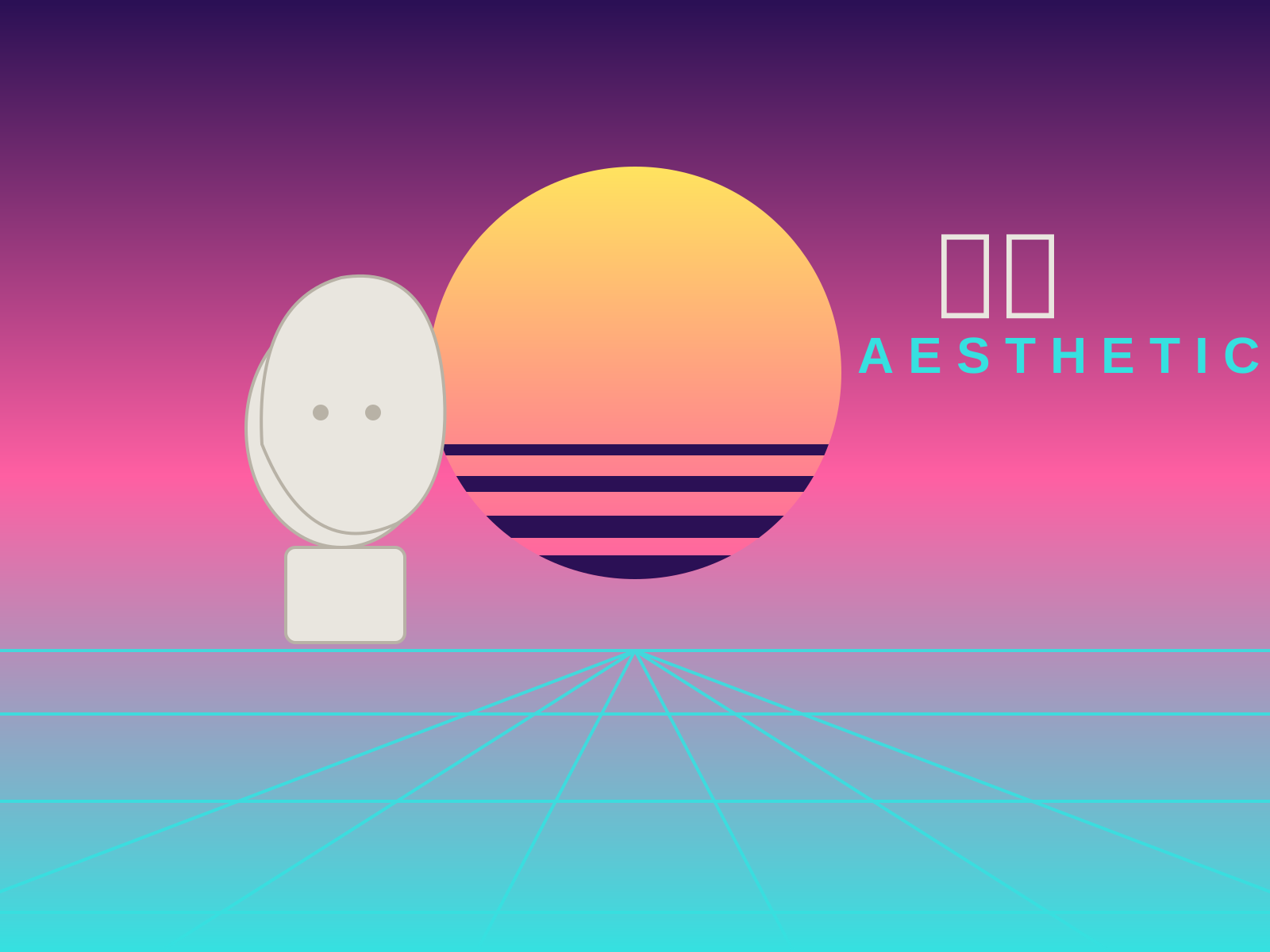
An internet-born visual style that fuses glitch art, classical Roman busts, retro 1980s–90s computer graphics, and Japanese text into a nostalgic, ironic dreamscape of dead consumer futures.
 c. 1997–2004
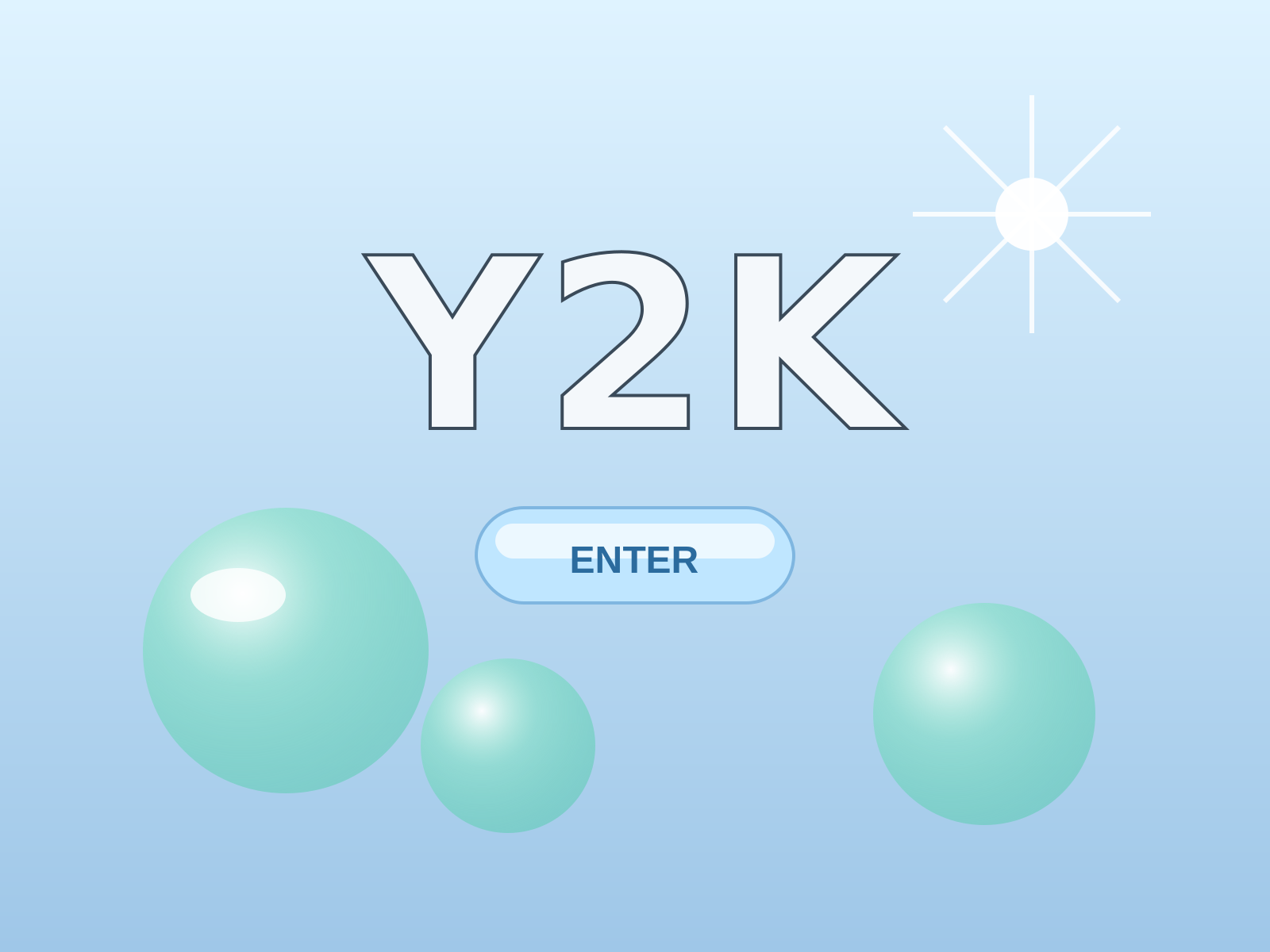
The glossy techno-optimism of the turn of the millennium: liquid chrome, translucent bubble gadgets, lens flares, and a shiny faith that the digital future would be frictionless and fun.
 c. 2014–present
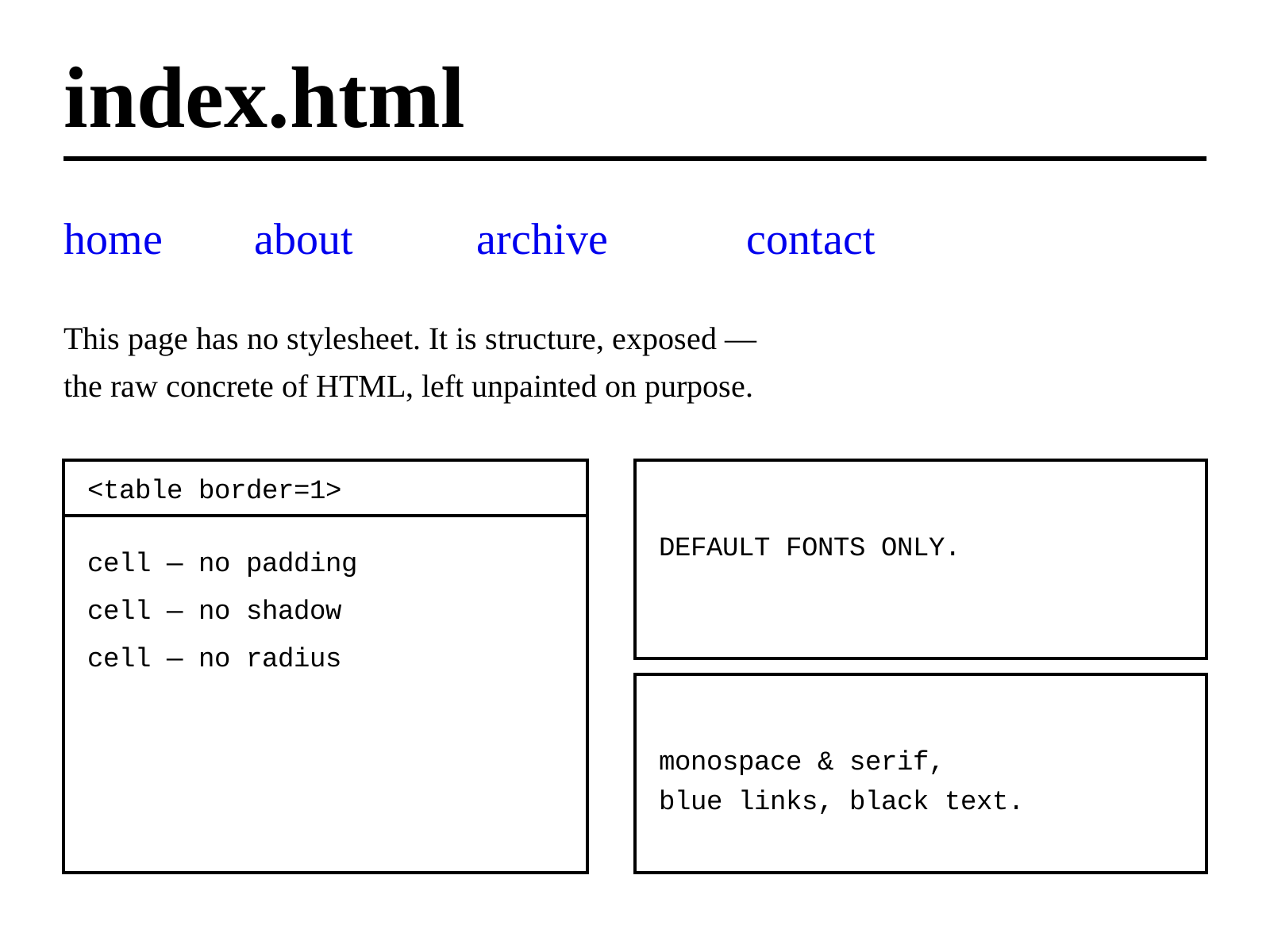
A web aesthetic that strips sites back to raw, unstyled HTML — default fonts, blue underlined links, naked structure — rejecting the polished sameness of mainstream UX design.
 c. 800–1500
Hand-written medieval books in which the text is enriched with burnished gold leaf, jewel-toned miniatures, and inhabited initials. Every page is a labor of monastic or workshop craft, where word and image are bound into a single luminous object.
 c. 1150–present
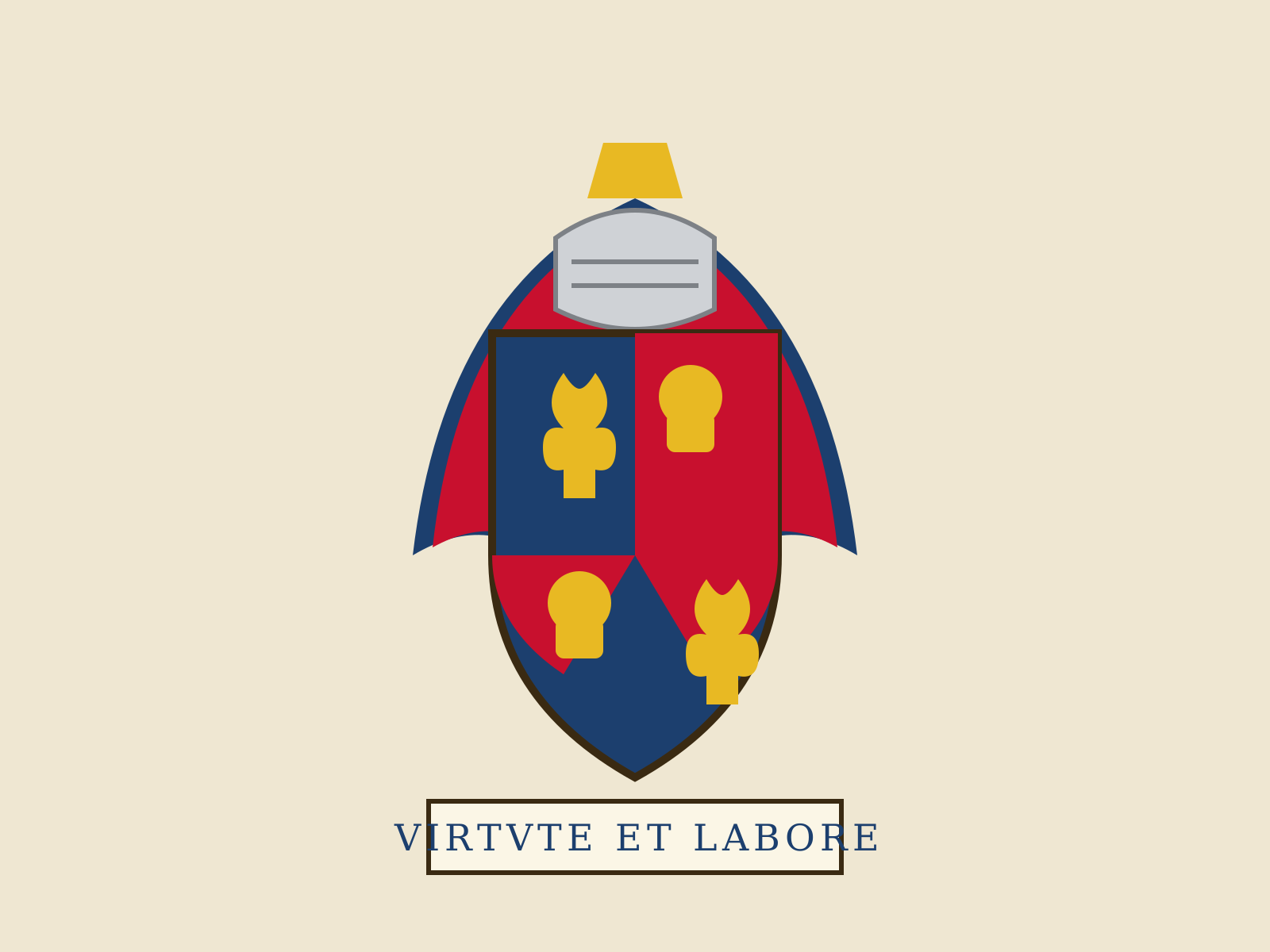
A rigorous medieval system of identity-by-emblem, in which shields are divided and charged according to strict rules and described in a specialized verbal language called blazon. It is design as grammar: a finite vocabulary of tinctures and charges combined into endless unique marks.
 c. 1450–1500
The earliest printed books, from Gutenberg's press to the year 1500, that translate the look of the manuscript into movable metal type. Dense blackletter columns, woodcut initials, and rubricated touches mark a medium learning to be itself.
 17th century
The grand 17th-century art of the copperplate, in which swelling engraved lines build dramatic allegorical title pages and frontispieces. Light, shadow, and rhetorical figures are rendered entirely in incised hatching.
 18th century
The light, asymmetric ornament of 18th-century France translated into engraved pattern books and cartouches. Curling rocaille shellwork, scrolls, and sprays of flowers swirl with a deliberate, playful imbalance.
 19th century
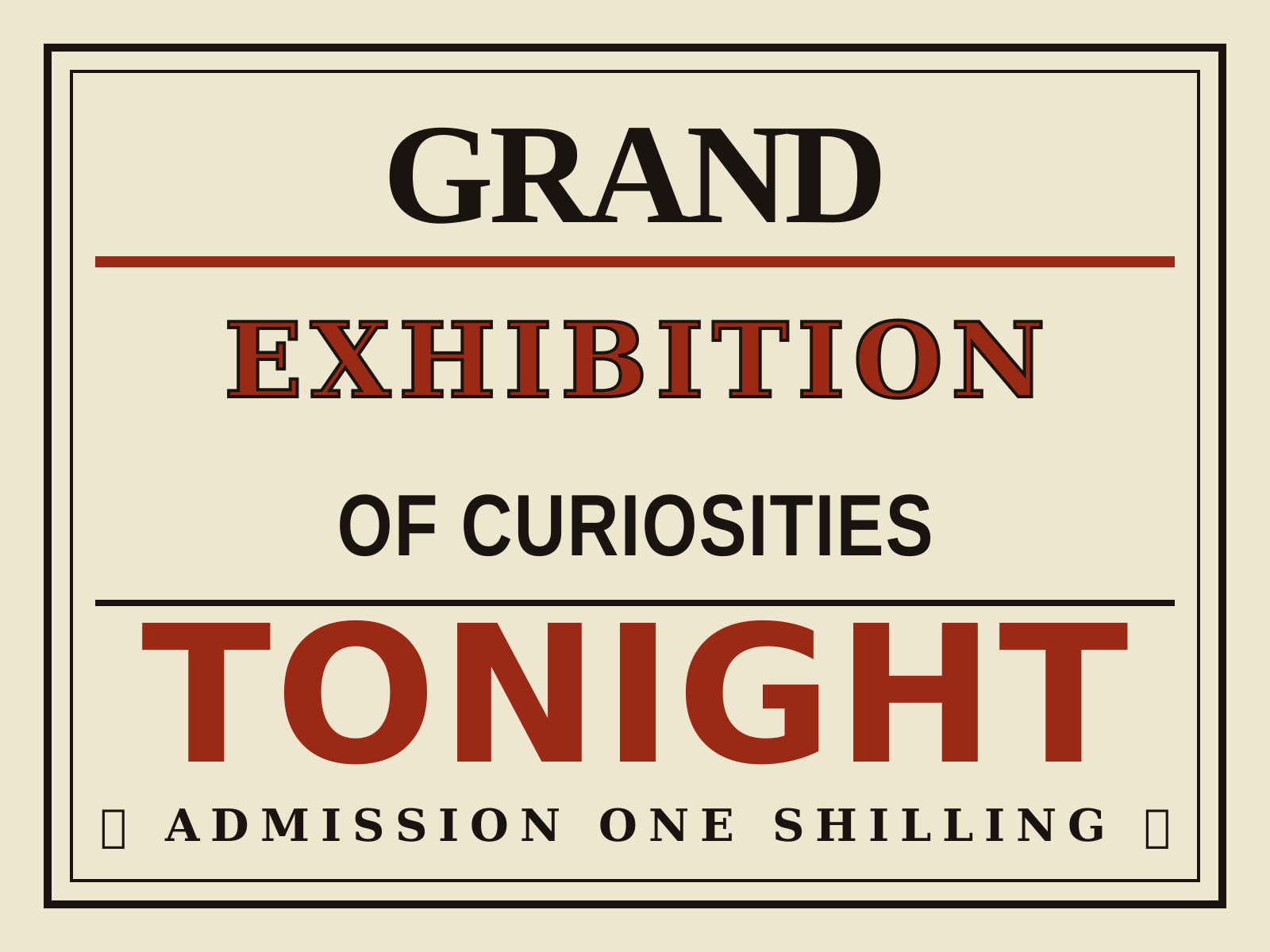
The shouting, oversized letterpress of 19th-century American broadsides, set in giant wood type for circus bills, playbills, and auctions. Each line is a different fat, slab, or shadowed face, stacked to fill the sheet with maximum noise.
 18th–19th century
The exacting art of the plant plate, where flowers and specimens are rendered with scientific precision and exquisite color. Stems, petals, and dissected parts float on the page with the clarity of a diagram and the beauty of a portrait.
 16th–18th century
The ornate maps of the great age of exploration, where geography shares the sheet with elaborate cartouches, compass roses, and sea monsters. Information and decoration intertwine, turning each map into a printed argument about the world.
 19th–20th century
The hyper-precise intaglio engraving of banknotes, stamps, and stock certificates, built from guilloché lattices, micro-fine line work, and engraved portraits. Its intricacy is a security feature: detail too fine to counterfeit.
 17th–early 20th century
The plates that visualize nature's structure for science — radiolarians, skeletons, and dissected anatomy rendered with analytical rigor and often dazzling symmetry. Information and ornament fuse, nowhere more famously than in Haeckel's marine forms.
 17th–19th century
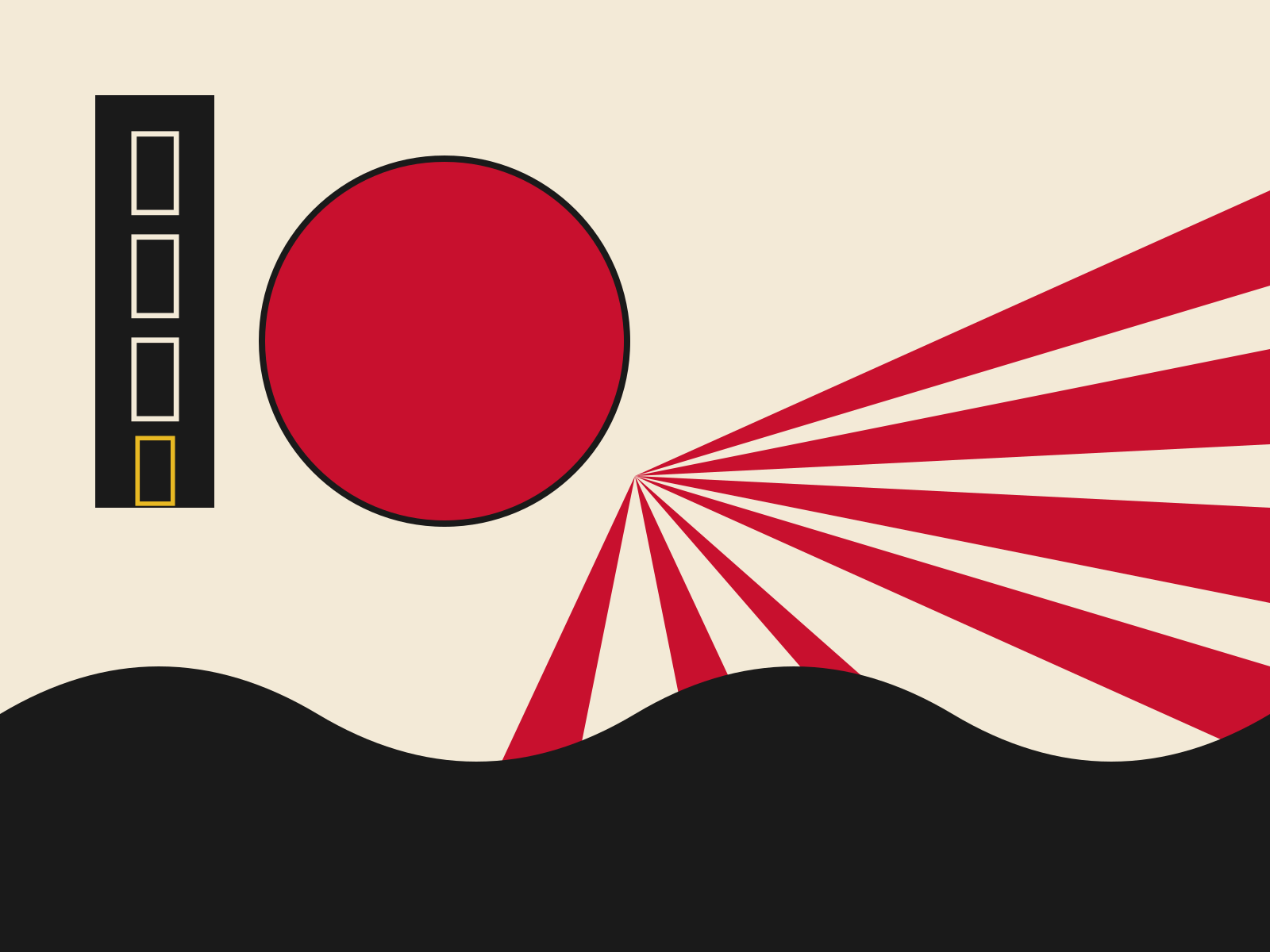
Japanese woodblock prints of the 'floating world,' built from flat planes of color, confident black outlines, and daringly asymmetric, cropped compositions. A mass-produced popular art whose graphic logic reshaped Western design.
 1950s–1980s
The postwar generation of Japanese designers who fused Bauhaus rationalism with native tradition and Pop exuberance. From Kamekura's geometric clarity to Yokoo's psychedelic collage, it forged a distinctly Japanese modernism.
 c. 700–present
The Islamic art of the written word and pattern, where Arabic script becomes architecture and ornament. Angular kufic and flowing thuluth interlace with arabesque foliage and geometric tessellation into a unified non-figural design language.
 c. 1890–present
The skeleton broadsides of José Guadalupe Posada, where grinning calaveras parade through satirical, bold-lined relief prints. A vernacular Mexican graphic tradition that turned death into social commentary and folk celebration.
 1950s–1960s
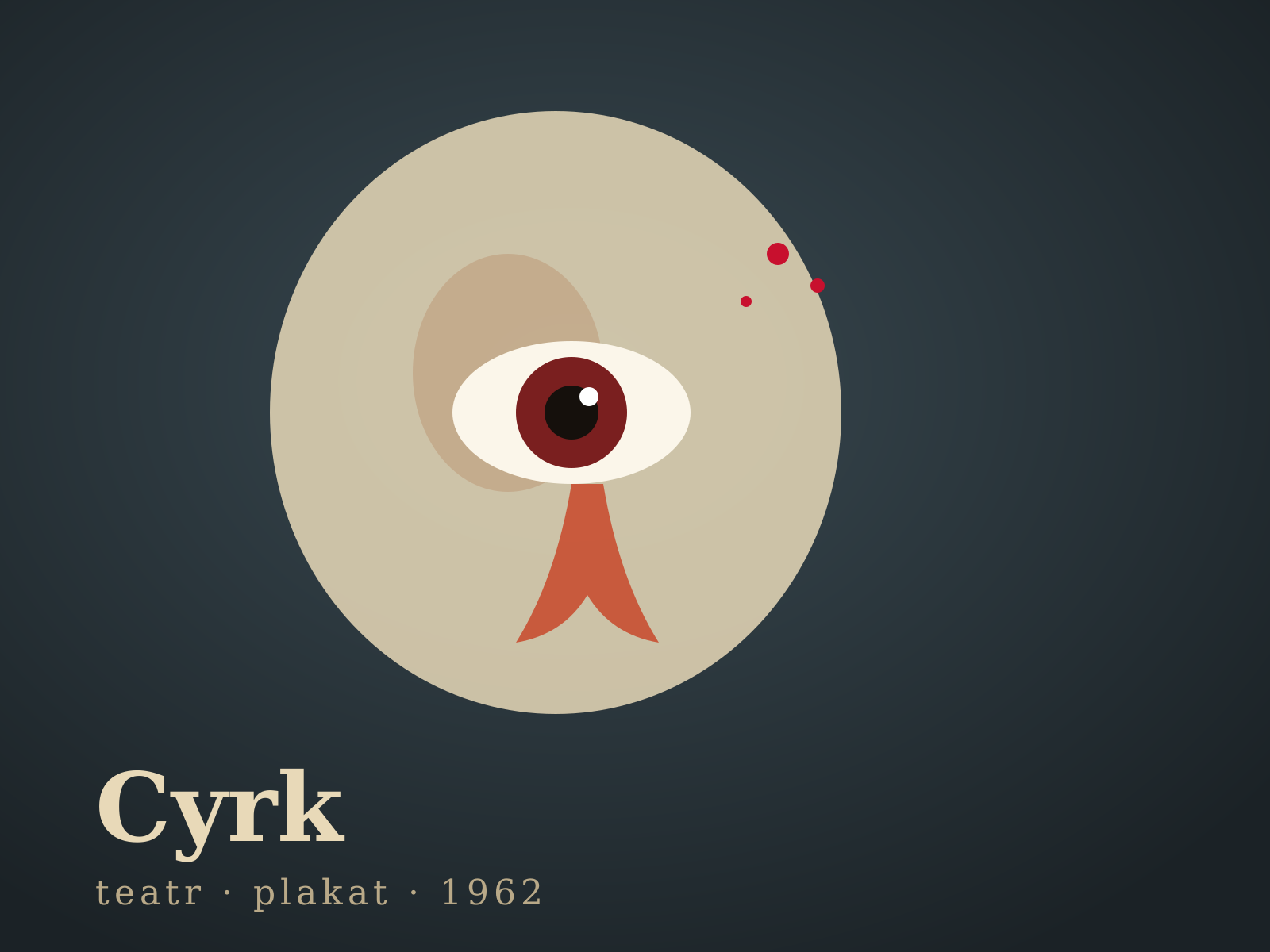
A celebrated postwar Polish movement that made the poster an art of painterly metaphor and surreal invention. Hand-painted, allusive, and personal, these film and theater posters prized poetic ambiguity over commercial directness.
 1960s–1970s
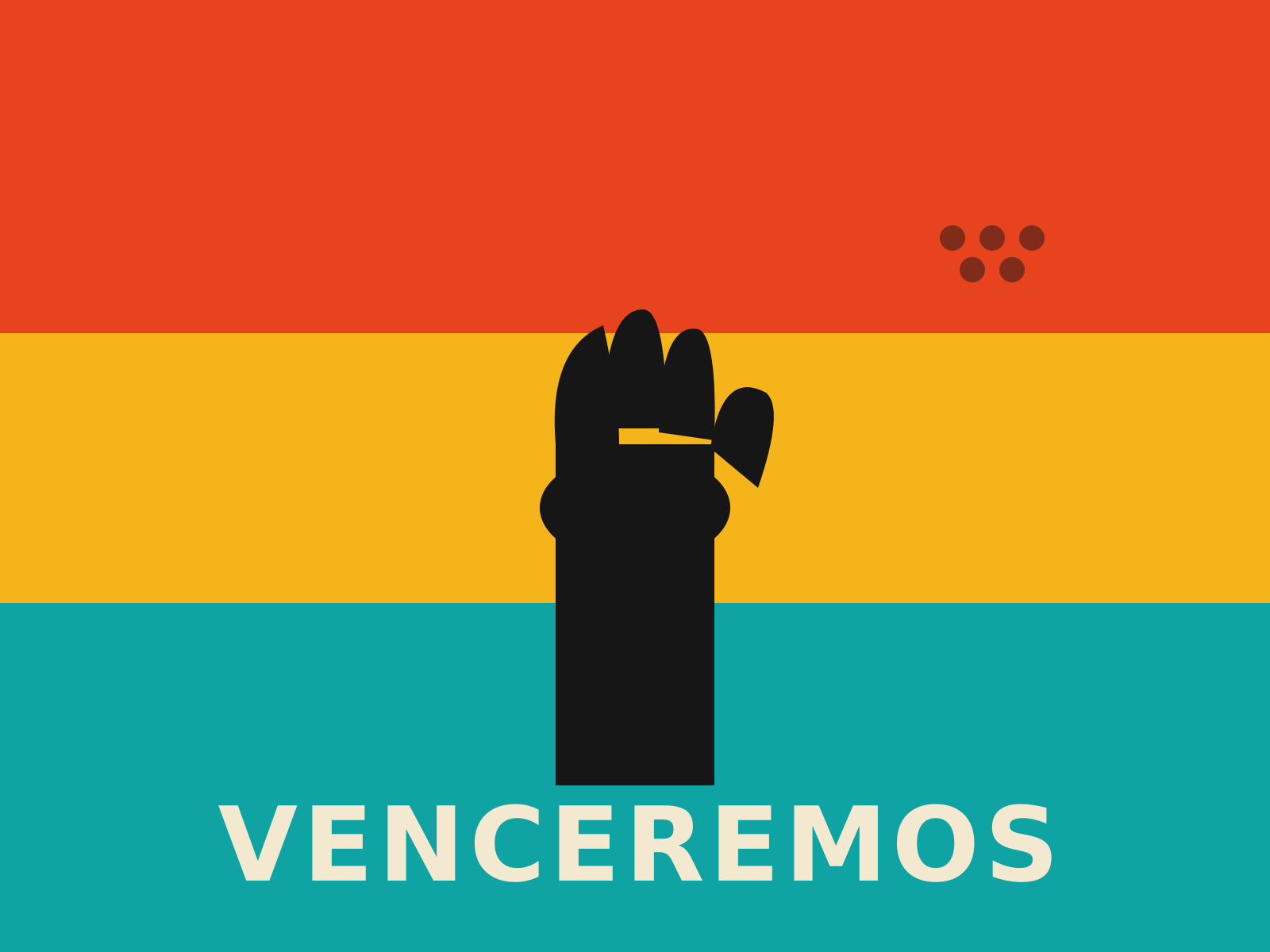
The bold silkscreen posters of revolutionary Cuba, made for solidarity campaigns and cinema in flat planes of vivid color. Pop energy, photographic stencils, and graphic wit fused political message with playful visual invention.
 c. 1880–1990s
India's popular printed image — gods, film stars, and patriots in vivid, sentimental color. From Raja Ravi Varma's oleographs to hand-painted Bollywood hoardings, it is mass-market devotion and glamour rendered in joyful kitsch.
 1880s–1920s
Lavishly painted narrative illustration for books and magazines, rendered in oils and watercolor with theatrical light and storybook romance. A golden, atmospheric realism made adventure, myth, and fairy tale tangible on the printed page.
 1920s–1950s
Lurid, fast-painted cover art for cheap pulp-paper magazines: damsels in peril, square-jawed heroes, ray-guns and revolvers under screaming logotypes. Sensational, high-contrast scenes built to grab a newsstand buyer in a half-second.
 1914–1945
State-commissioned posters of the two World Wars that recruited, rallied, and warned with pointing fingers, allegorical figures, and blunt imperative slogans. Bold, direct, emotionally charged graphics engineered to move a whole nation.
 1930s–1980s
State-sanctioned posters of heroic, optimistic realism: muscular workers, beaming farmers, and forward-marching crowds beneath red banners. An idealized, accessible style that pictured the radiant socialist future as already arriving.
 1920s–1960s
Idealized destinations rendered in clean flat planes of color: sun-drenched beaches, alpine ski slopes, and gleaming streamliners. Aspirational, poster-paint imagery that sold the romance of the journey as much as the place.
 1950s–1970s
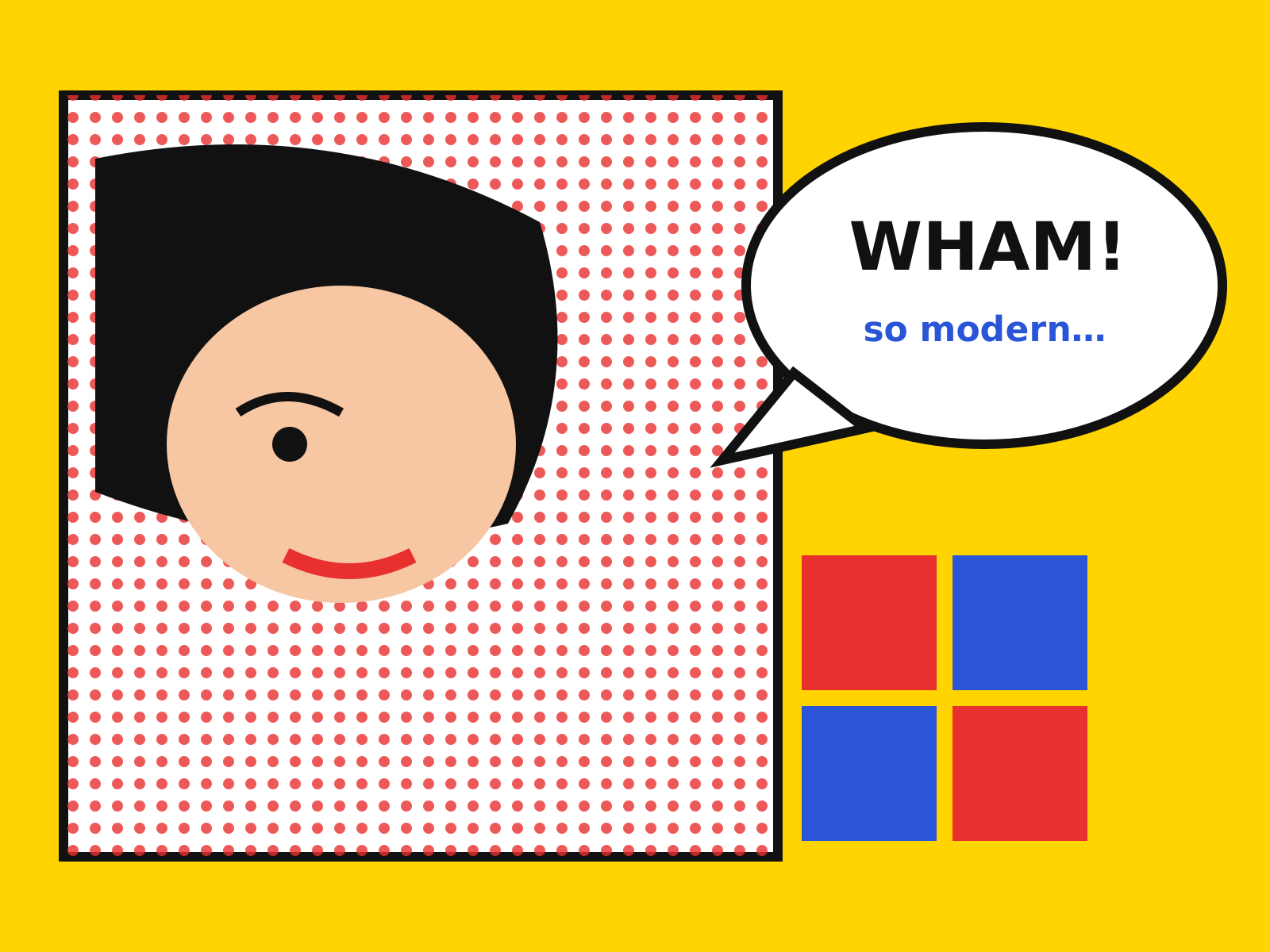
Commercial and mass-media imagery elevated to art: soup cans, comic panels, and movie stars in flat, bold color and mechanical Ben-Day dots. Brash, ironic, and unmistakably of the consumer age.
 1960s–1970s
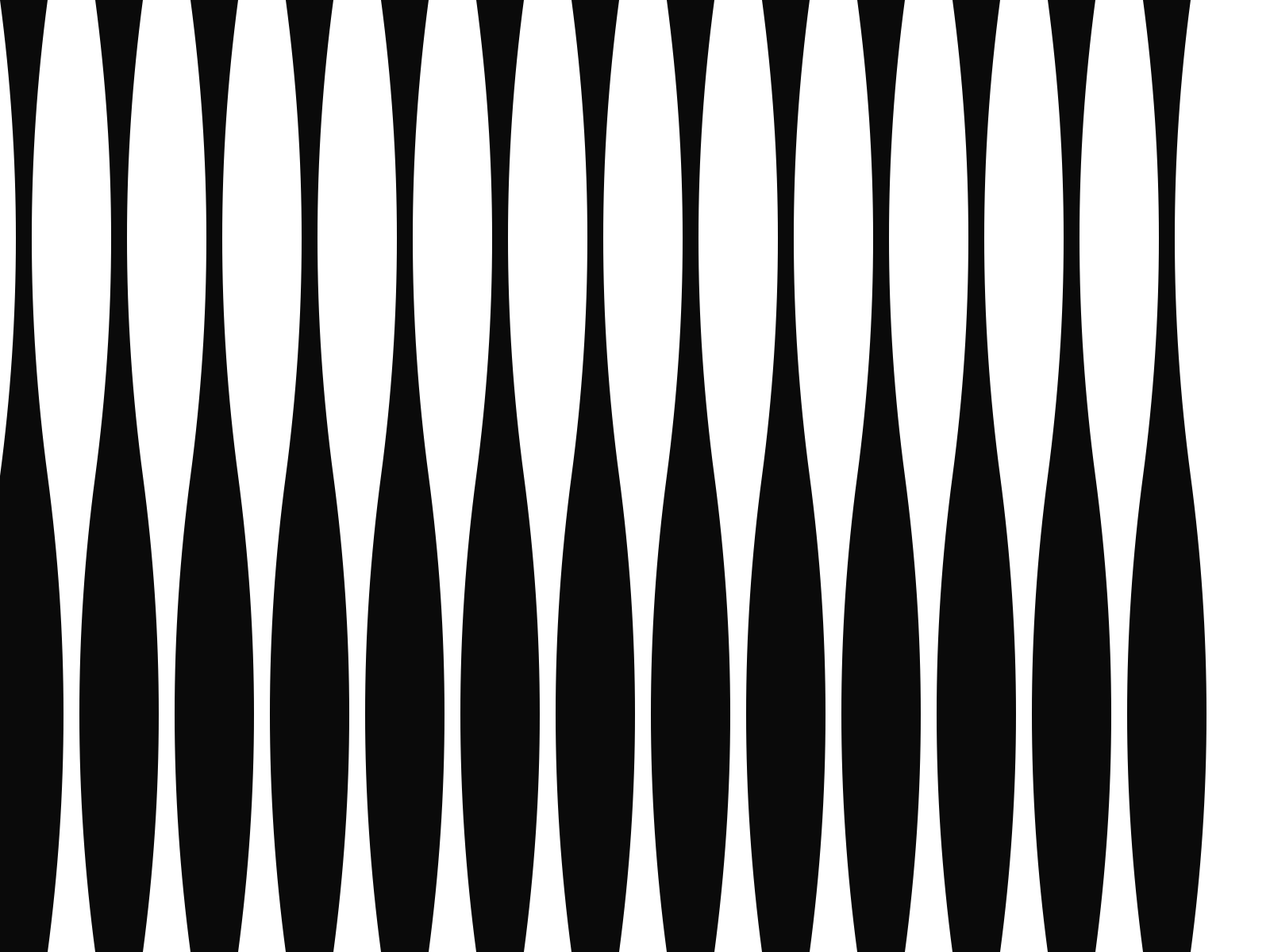
Precise geometric patterns engineered to shimmer, swell, and vibrate on the page through pure optical illusion. Hard-edged black-and-white or clashing color fields that seem to move while standing still.
 1938–1970s
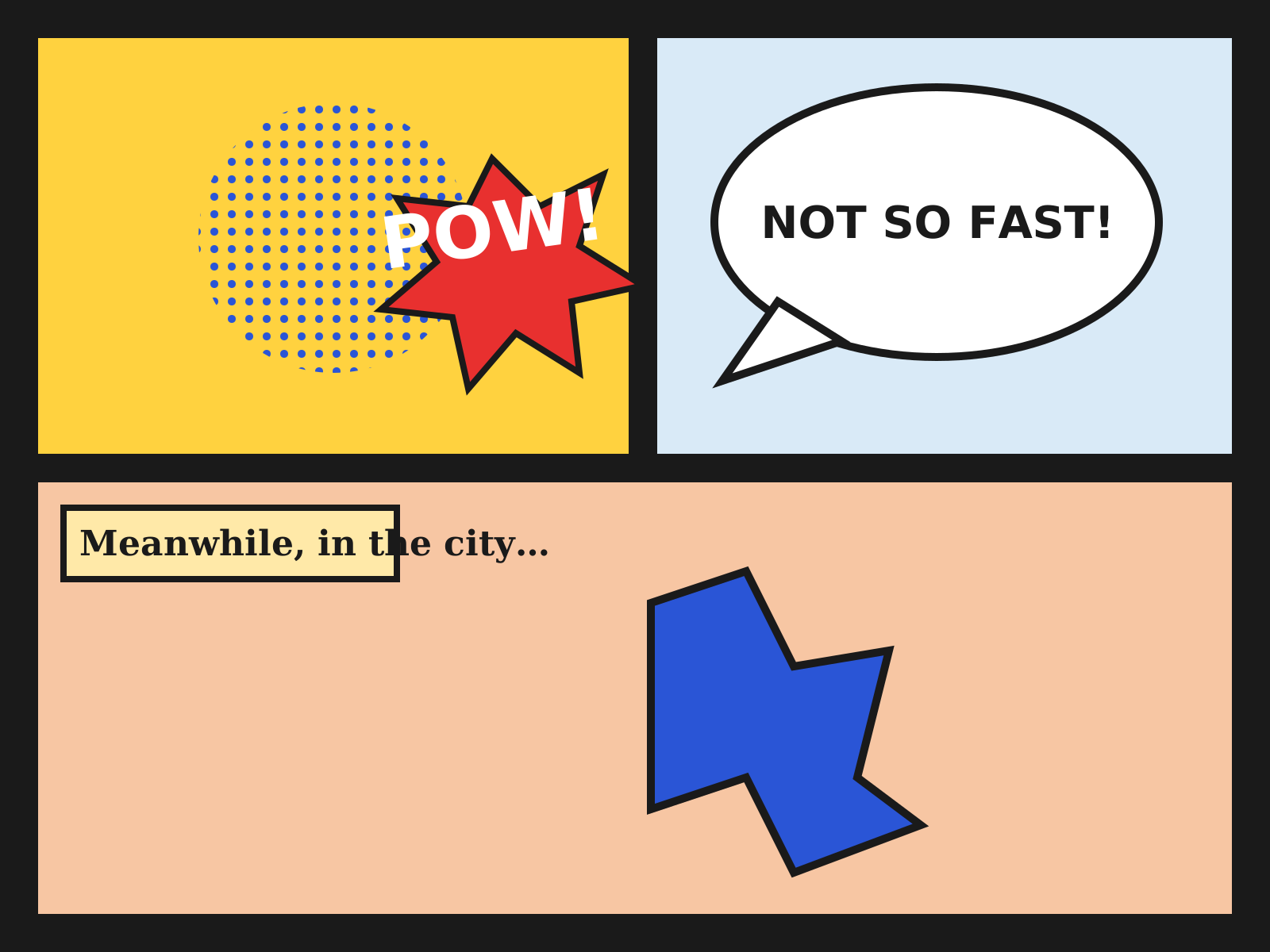
The bold-outlined, dot-shaded look of newsstand comic books: gridded panels, speech balloons, sound-effect lettering, and flat four-color heroes. A sequential graphic language built for cheap, vivid mass printing.
 1954–1980s
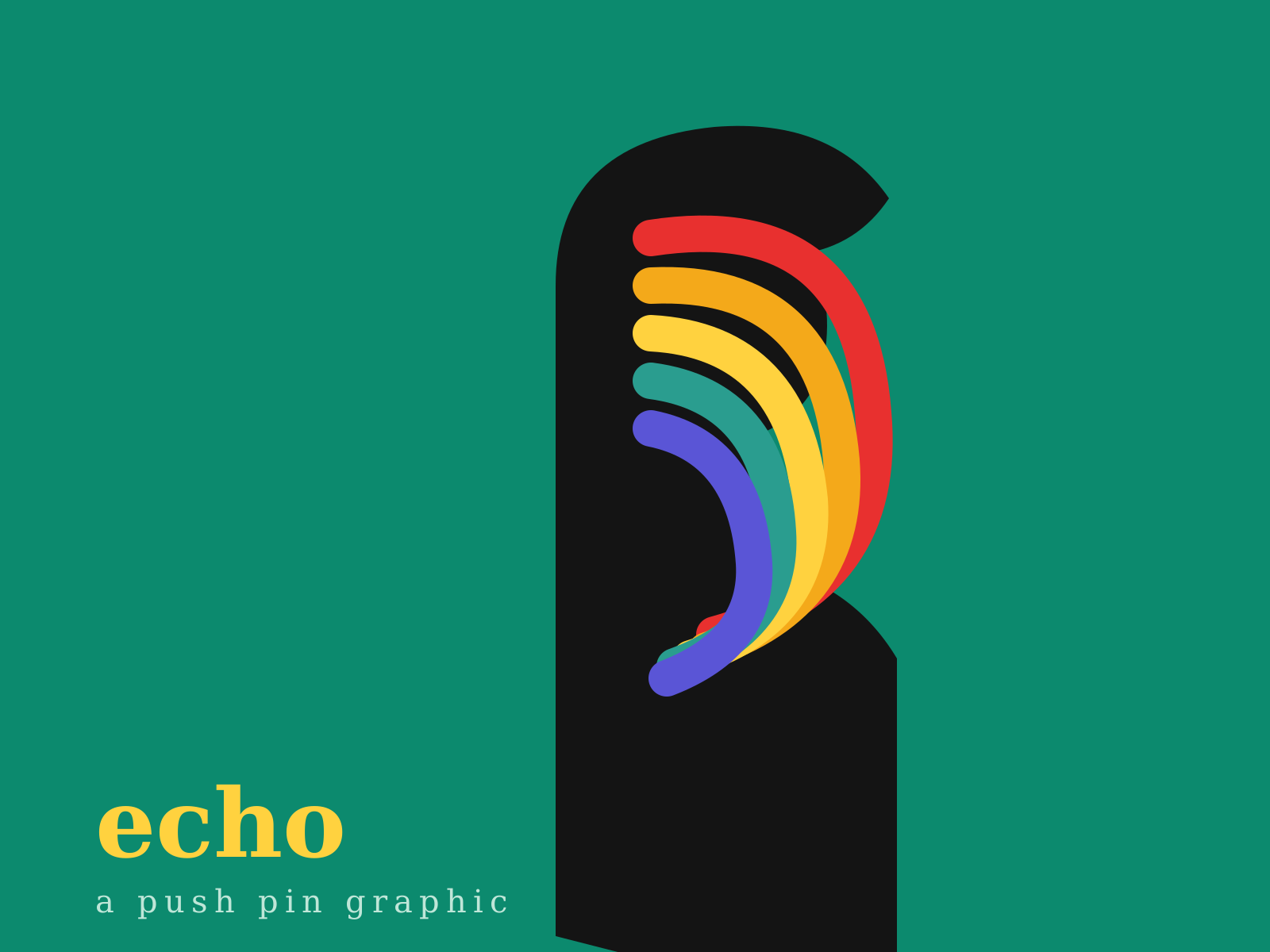
The eclectic, history-mining illustration of Push Pin Studios: flat decorative form, witty concept, and revived Art Nouveau, Victorian, and folk motifs. A warm, ornamental antidote to cold Swiss modernism.
 1950s–1960s
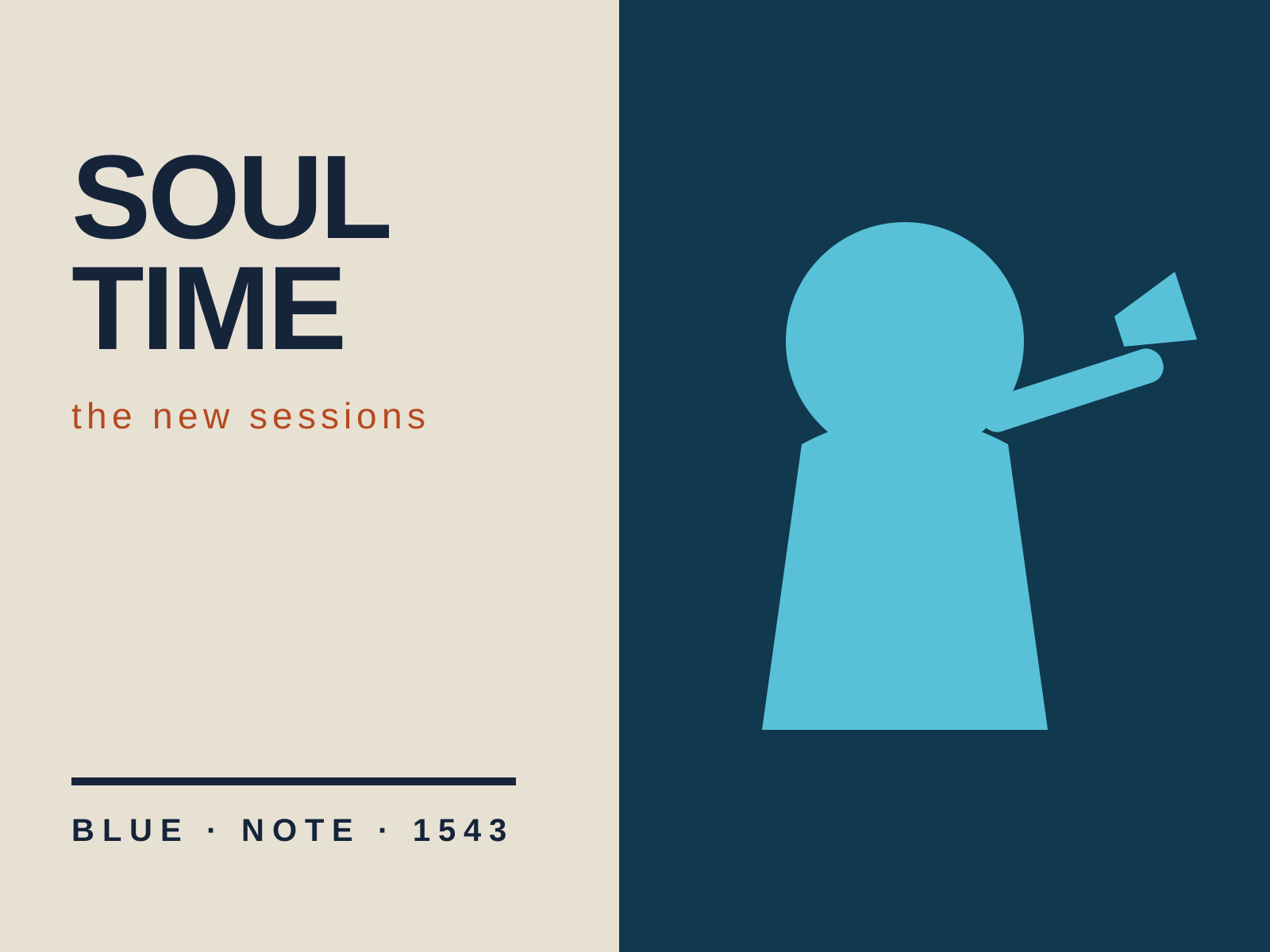
The cool, modern look of Blue Note jazz LP sleeves: duotone photographs, tightly cropped, set against bold sans-serif type and confident asymmetry. Restrained, sophisticated design that looked as modern as the music sounded.
 1960s–1970s
Enormous, bold typographic and geometric forms painted directly onto walls and buildings, scaled to architecture itself. Hard-edged color shapes and giant letters that reshape how a space is perceived.
 1920s–1940s
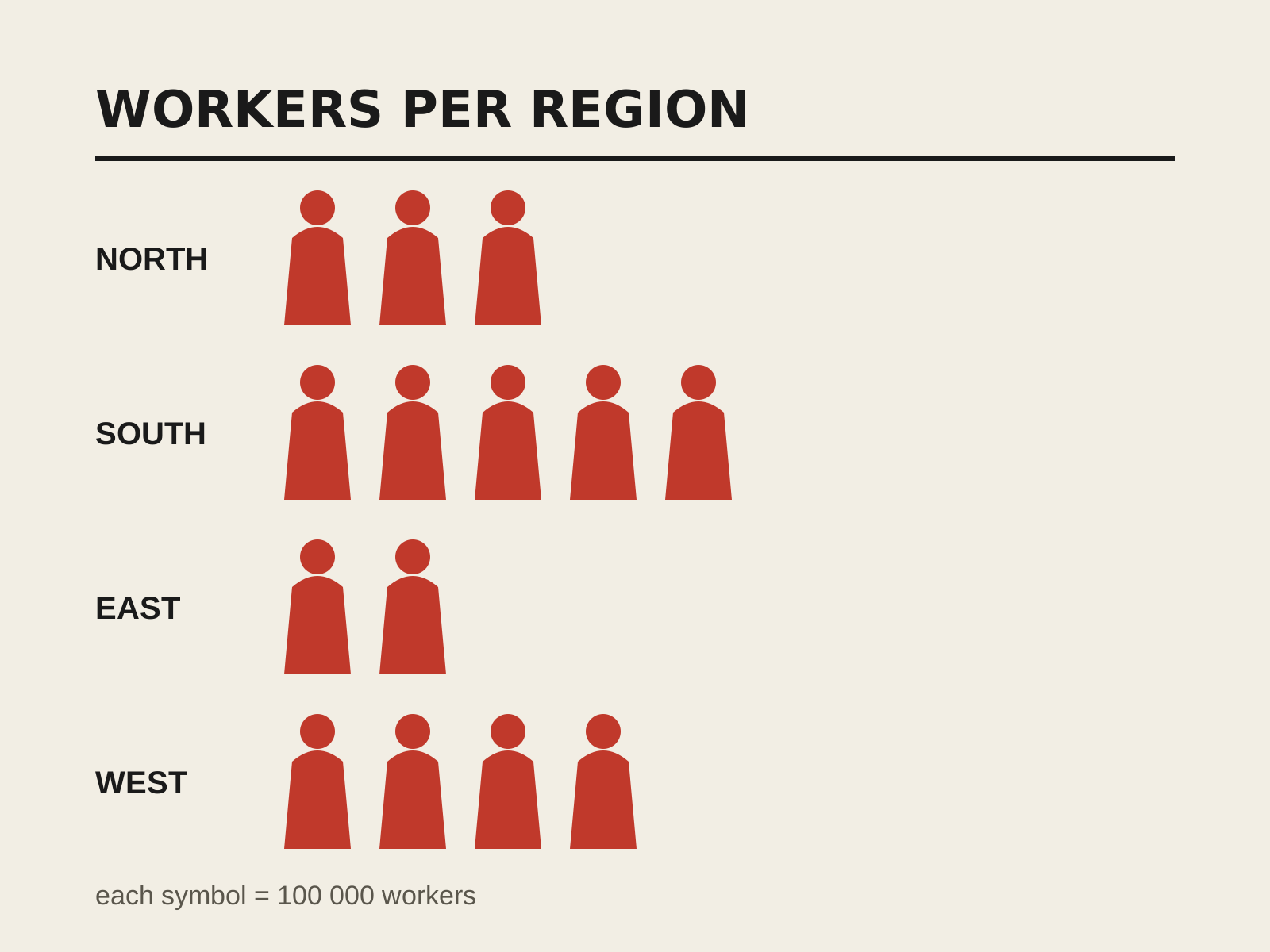
A system of pictorial statistics that conveys quantities by repeating simplified, standardized pictograms rather than scaling them. Clear, language-independent infographics built from a disciplined visual vocabulary.
 1960s–1980s
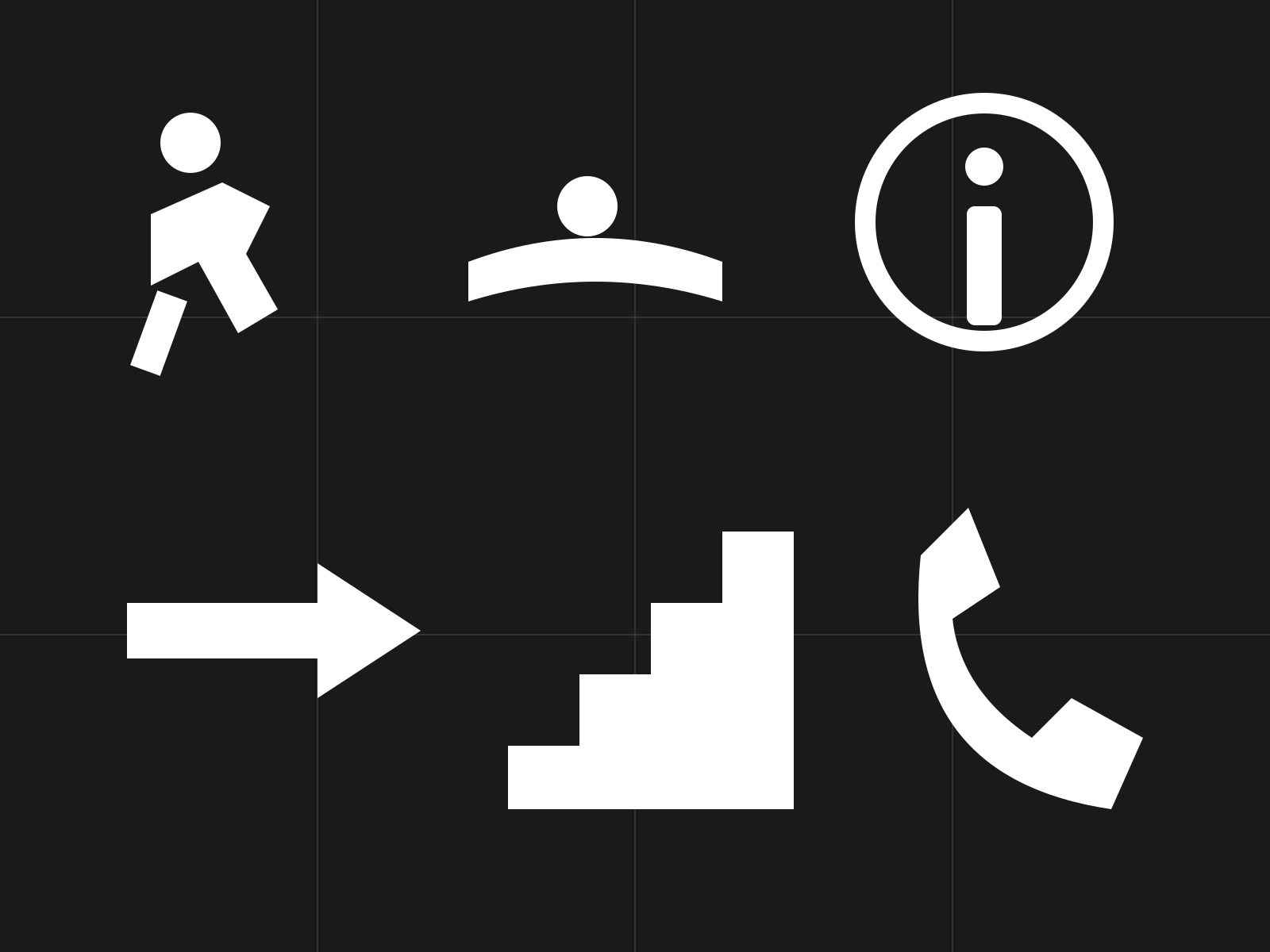
Coordinated families of geometric figures for signage and wayfinding, built on a shared grid so every symbol reads as one consistent system. Reductive, universal pictograms that guide crowds without words.
 1950s–1970s
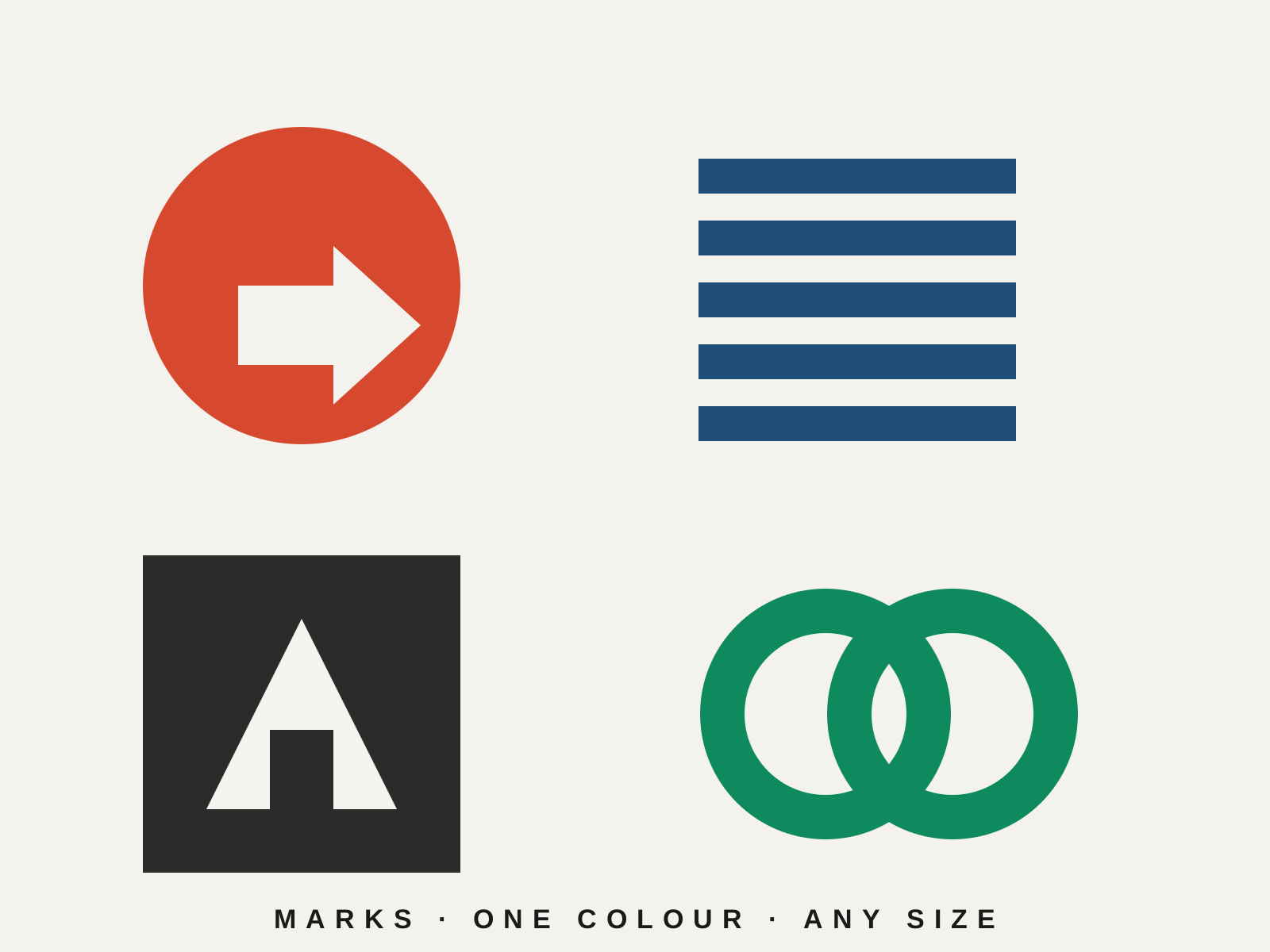
Reductive, geometric trademarks distilled to their simplest memorable form: clean abstract marks and refined logotypes for the corporate age. Timeless, scalable symbols built on modernist clarity.
 1930s–1960s
Dynamic magazine art direction built on bold photography, expressive typography, and confident white space. Cinematic spreads that treat the page-turn as choreography rather than mere layout.
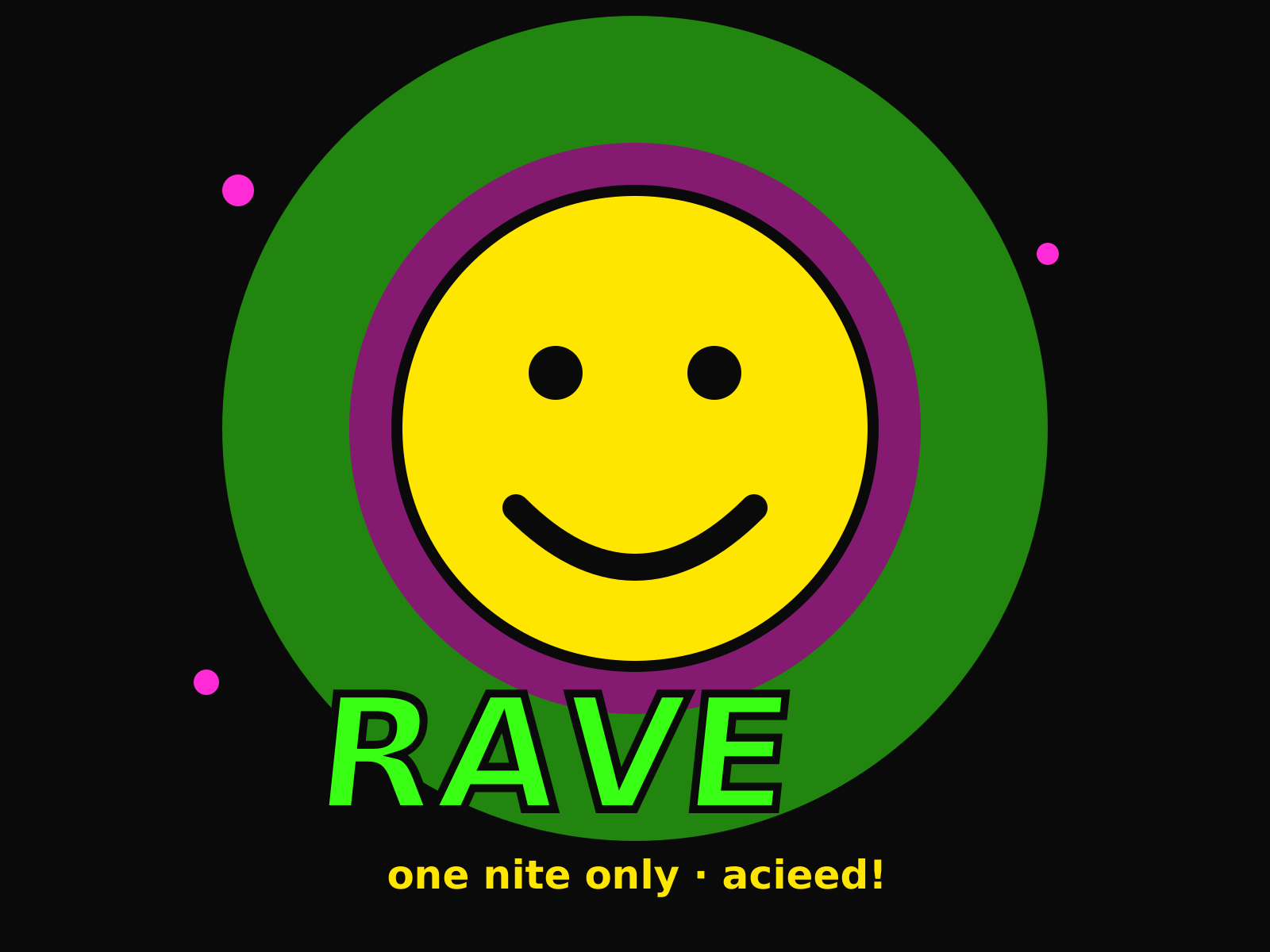 Late 1980s–1990s
The hand-drawn, fluorescent chaos of acid-house and rave flyers, anchored by the manic yellow smiley face and a cartoon riot of melting type, aliens, and dayglo swirls.
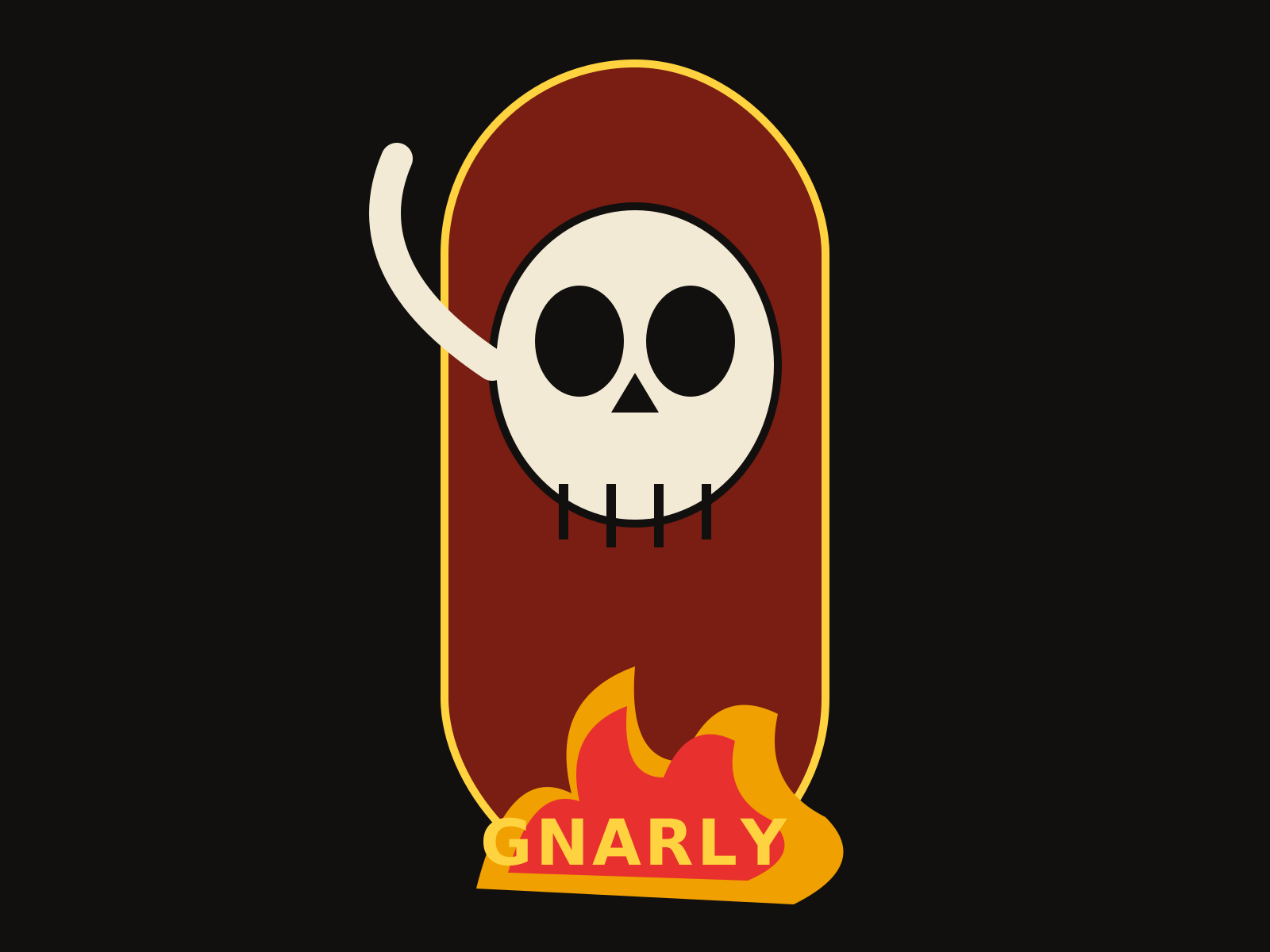 1970s–present
The bold, gnarly illustration of skateboard decks and skate zines—screaming skulls, dragons, and cartoon mayhem rendered with heavy outlines and high-contrast punch.
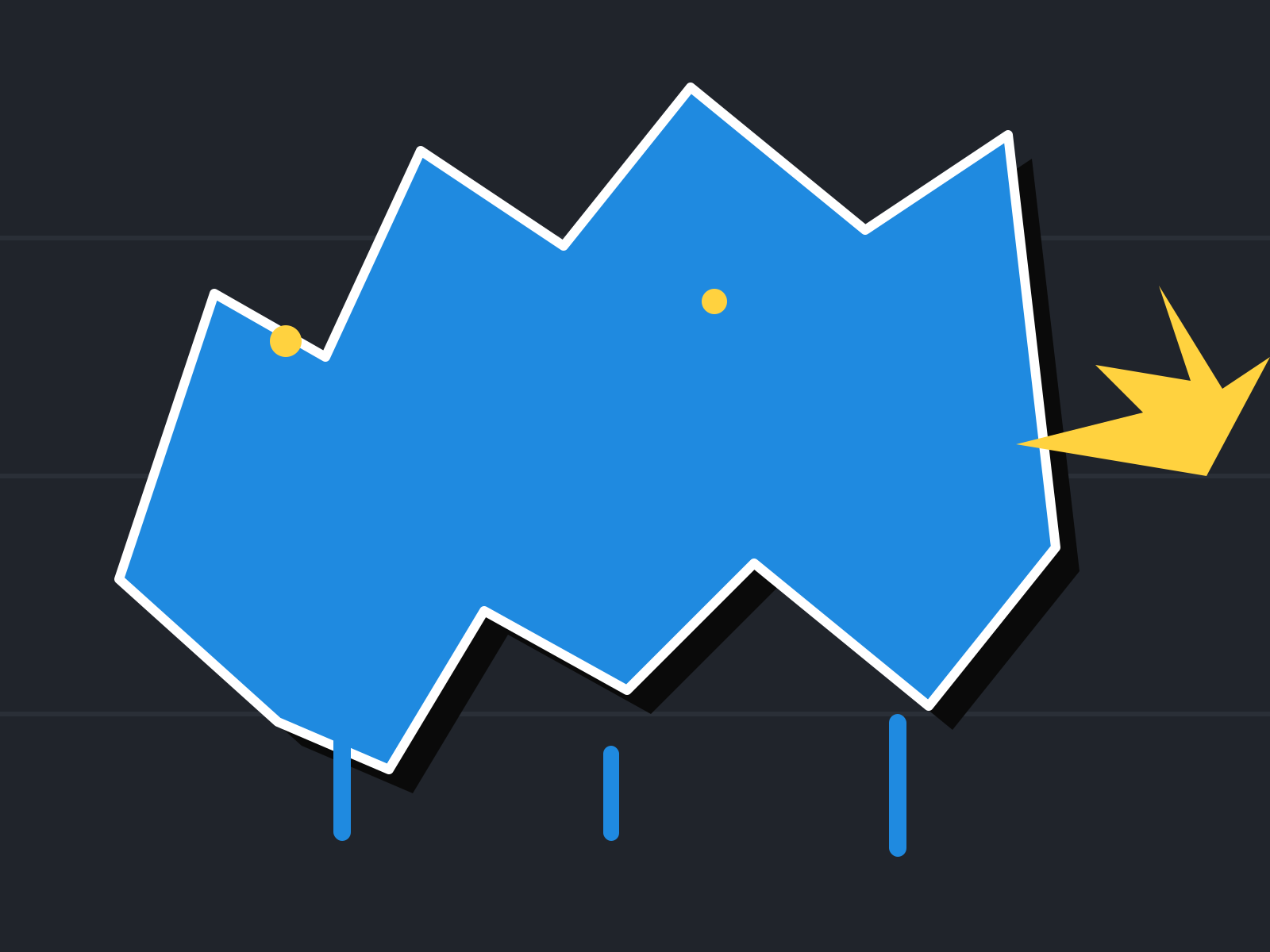 1970s–present
The most complex form of aerosol lettering, where interlocking arrows, 3D extrusions, and overlapping letters fuse into a near-illegible architectural tangle of spray-can virtuosity.
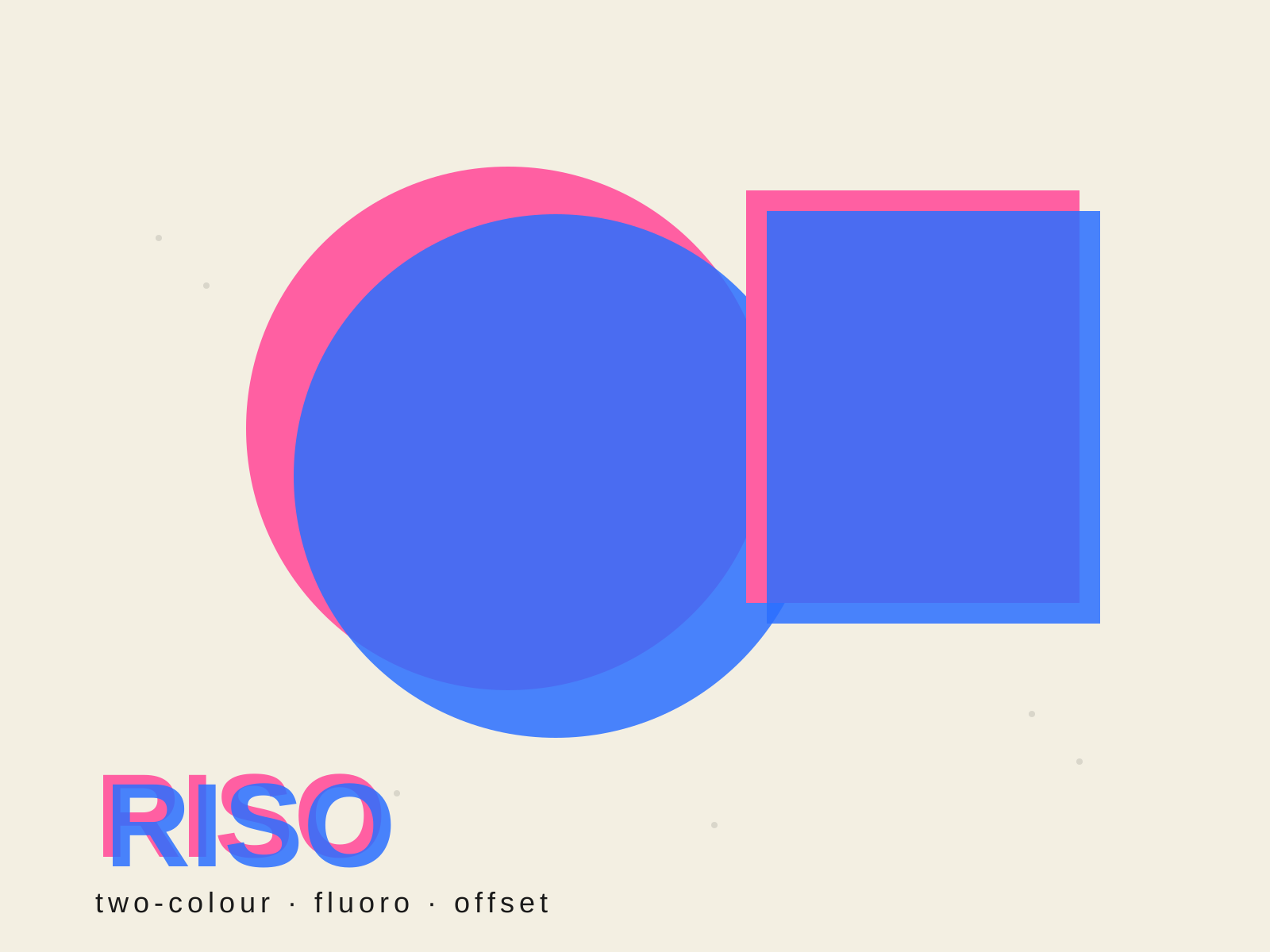 Contemporary
A spot-color printing aesthetic built on the Risograph duplicator's soy-based fluorescent inks, where deliberate misregistration, grain, and overprinted layers turn mechanical limitation into charm.
 1980s–1990s
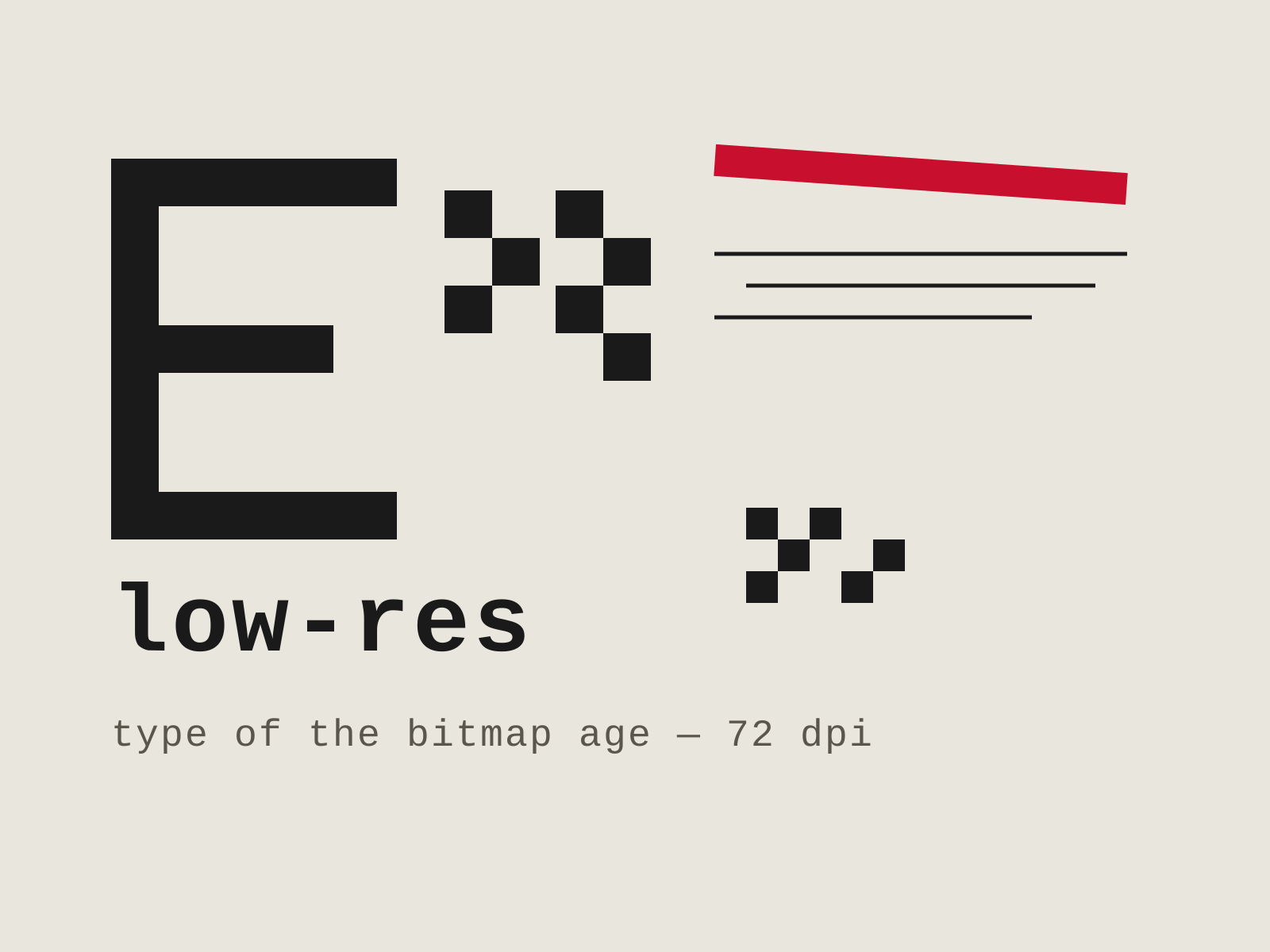
The pixel-embracing typography and deconstructed layouts of Emigre magazine, where the low-resolution Macintosh became a creative instrument rather than a limitation.
 1980s–1990s
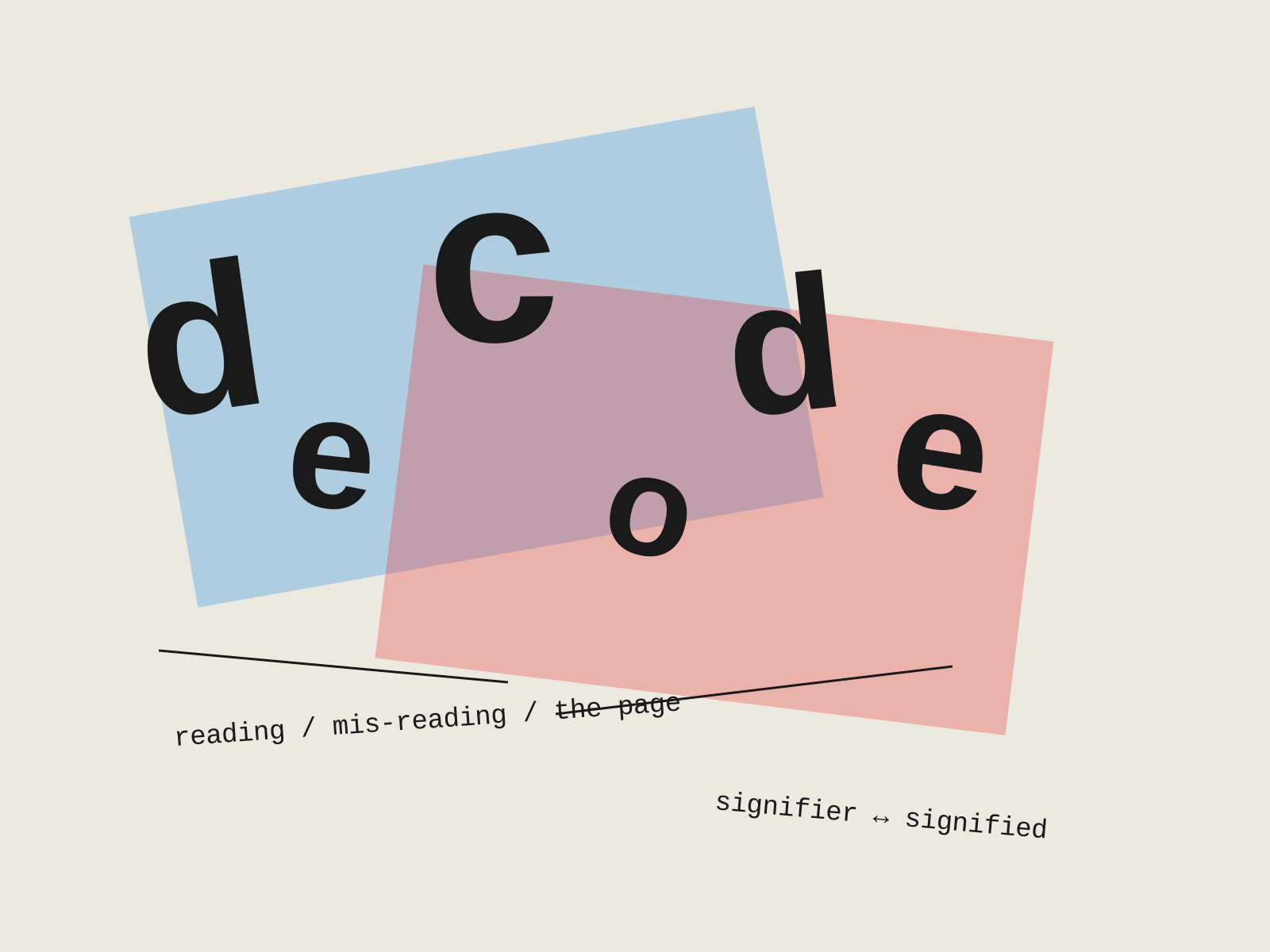
Theory-driven, fractured typography from the Cranbrook Academy of Art, where text is layered, dispersed, and visually interrogated under the influence of French poststructuralism.
 1990s
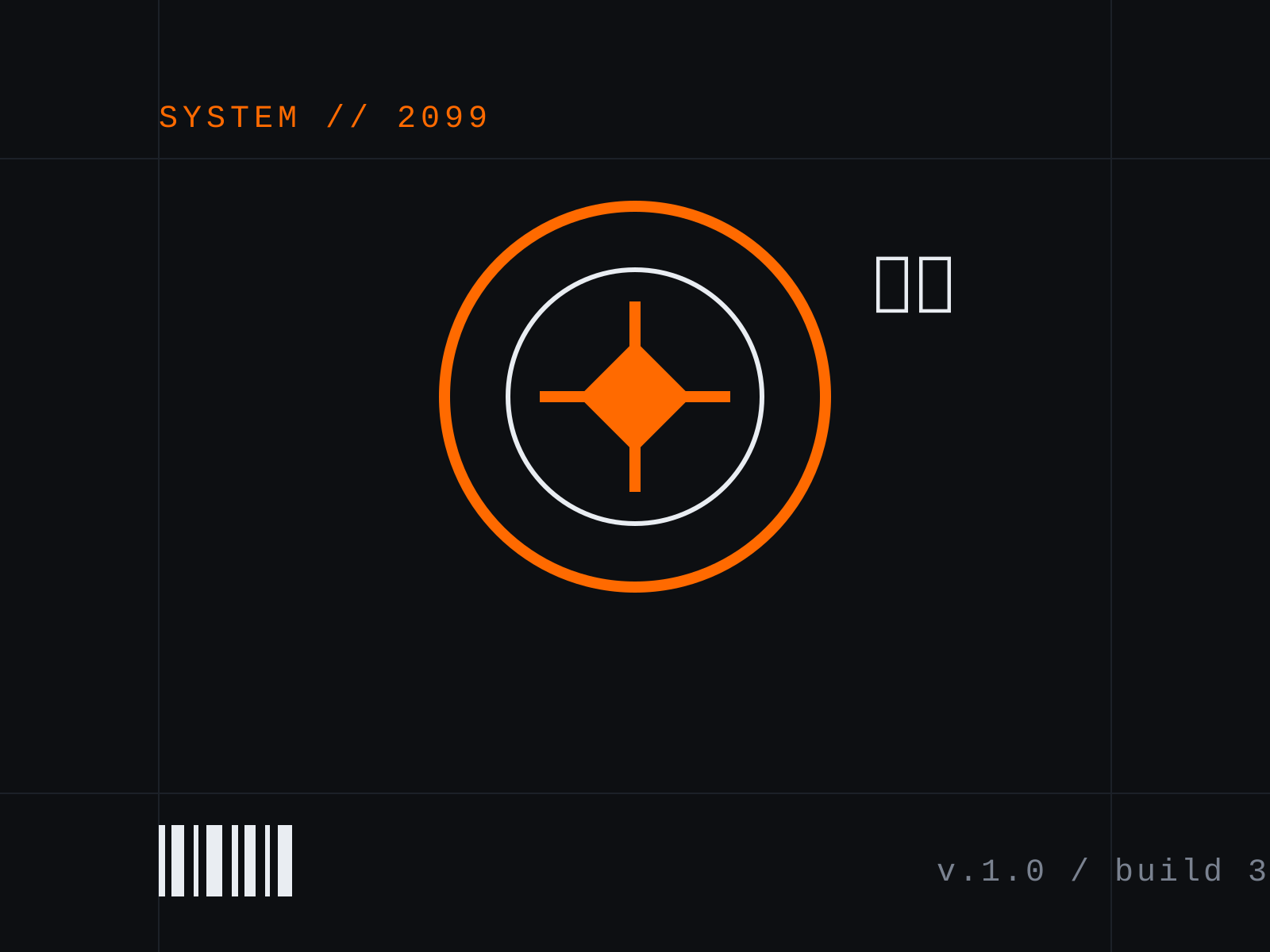
1990sClean, vector-sharp 1990s techno futurism—sci-fi corporate logos, faux-Japanese branding, and a sleek corporate-dystopian gloss pioneered by The Designers Republic.
 1990s–present
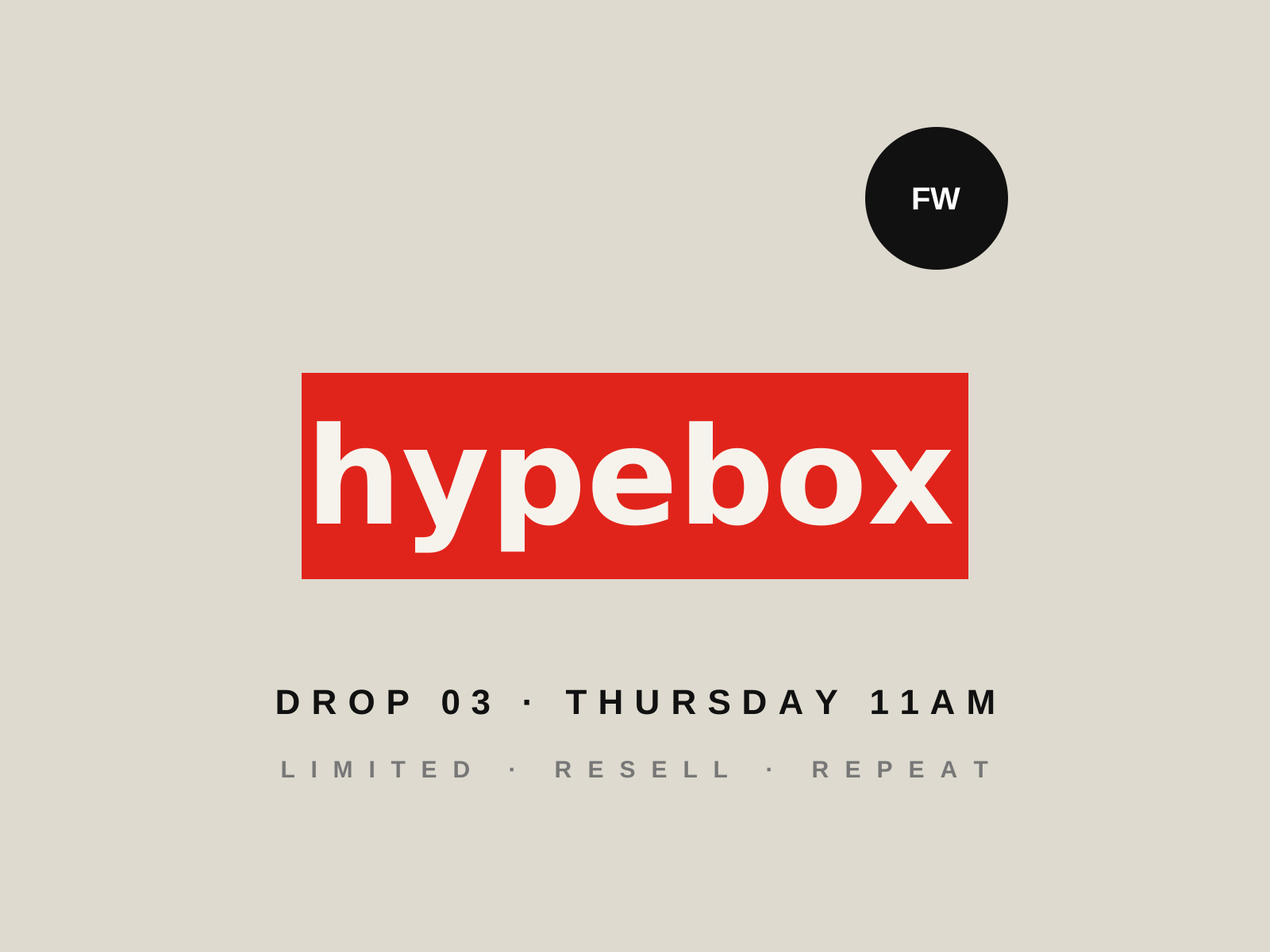
The bold wordmarks, box logos, and parody appropriation of streetwear—where a red rectangle, a borrowed font, and drop-culture scarcity become design language.
 Late 1990s–2013
Interface design that mimics real-world materials—stitched leather, brushed metal, glossy glass buttons—so digital objects look and behave like their physical counterparts.
 2020
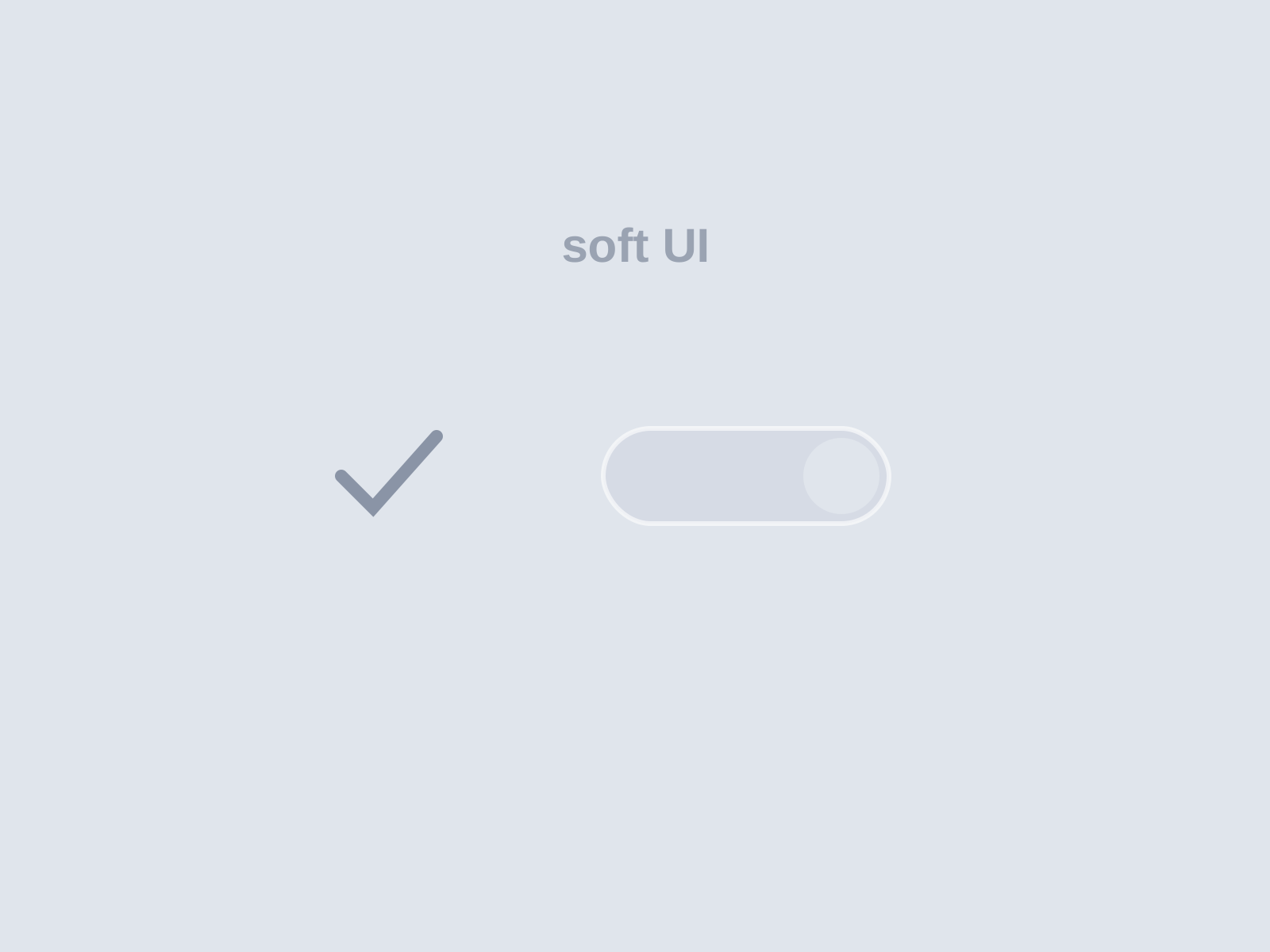
2020A monochrome 'soft UI' trend where elements appear extruded from or pressed into a single background using paired soft inner and outer shadows.
 2020s
2020sFrosted, translucent panels that blur whatever sits behind them, floating over vivid backdrops with thin light borders to suggest layered sheets of glass.
 2017–present
The ubiquitous flat-vector illustration of big-tech marketing—loose, big-headed figures with bendy limbs in friendly brand-pastel palettes, doing wholesome activities.
 2004–2013
The glossy, optimistic techno-naturalism of the mid-2000s—water droplets, bubbles, lush green grass, blue skies, and clean Frutiger type over a backdrop of Windows Vista-era sheen.
 2000s–present
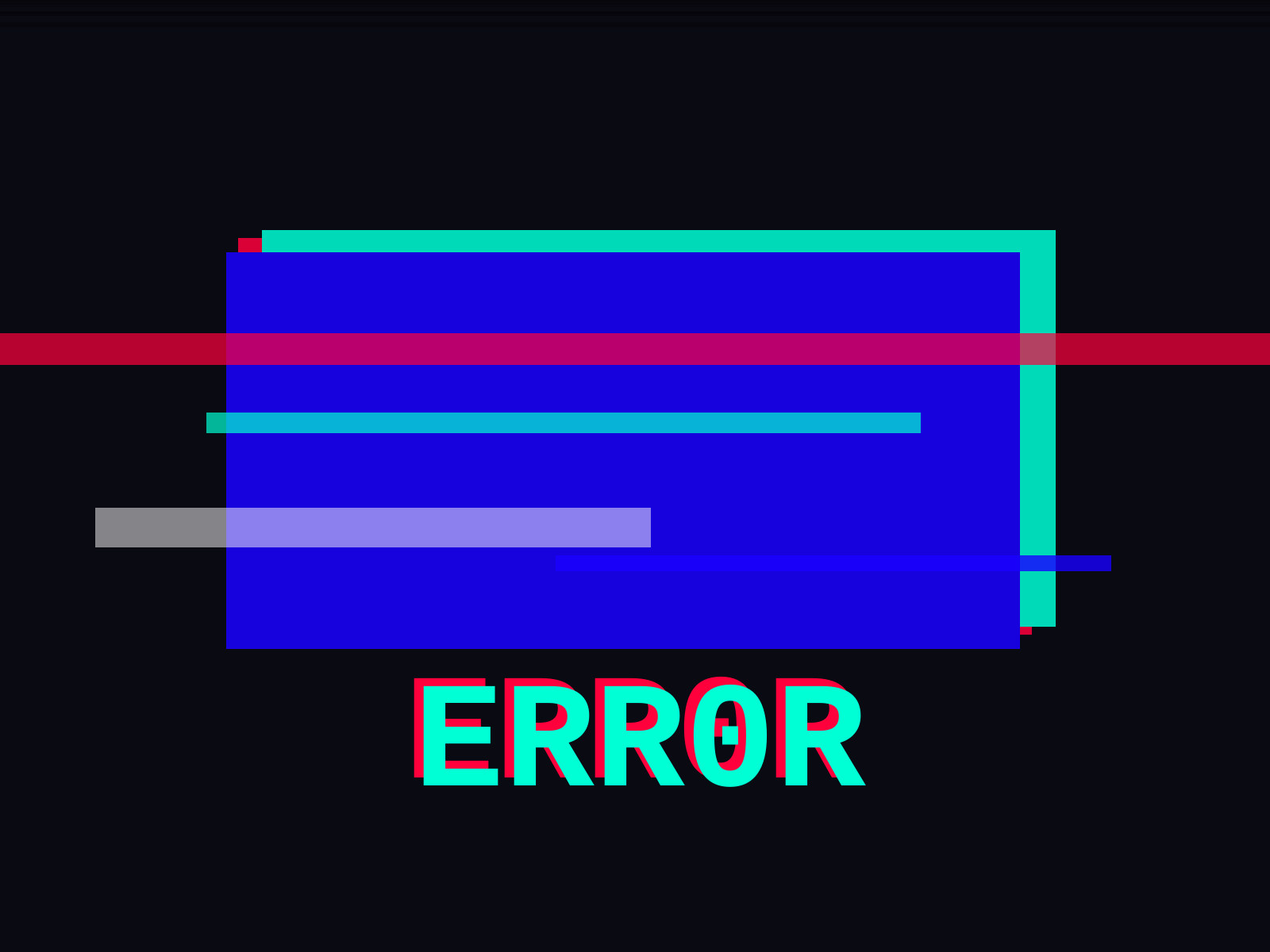
The aesthetic of digital error—RGB channel shifts, datamoshed smears, scanlines, and corrupted-signal artifacts deliberately induced or simulated for expressive effect.
 1980s–present
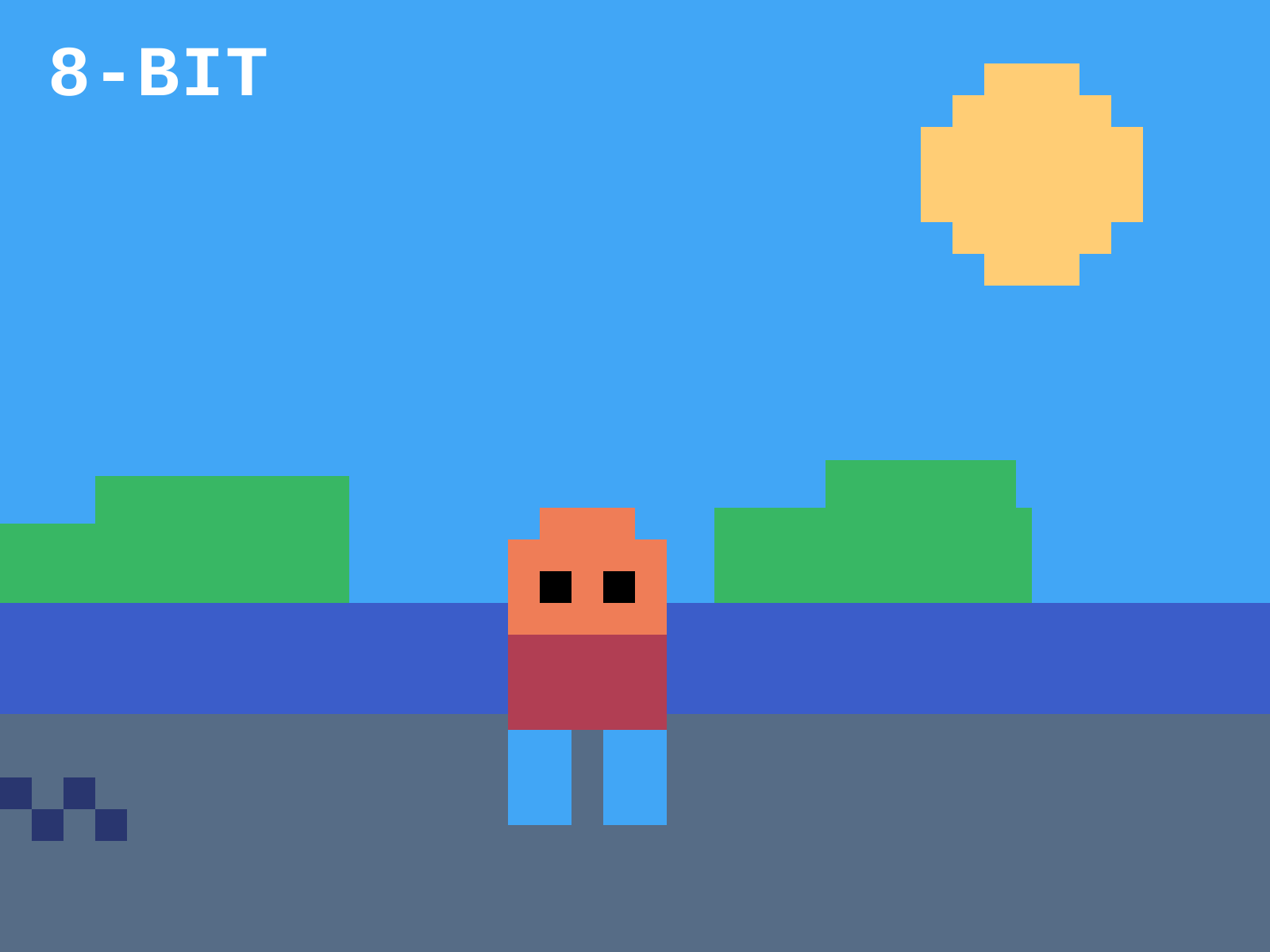
Imagery built pixel by pixel on a deliberate grid, with limited palettes and hand-placed dithering—born of early video-game hardware and revived as a beloved aesthetic.
 2010s–present
Faceted forms built from a small number of flat-shaded triangles, where the visible polygon geometry becomes the aesthetic—crystalline, geometric, and gradient-rich.
 2018–present
The contemporary 'soft 3D' look—glossy clay blobs, rounded abstract forms, pastel gradients, and creamy depth-of-field rendered in Blender or Cinema 4D.
 2020s
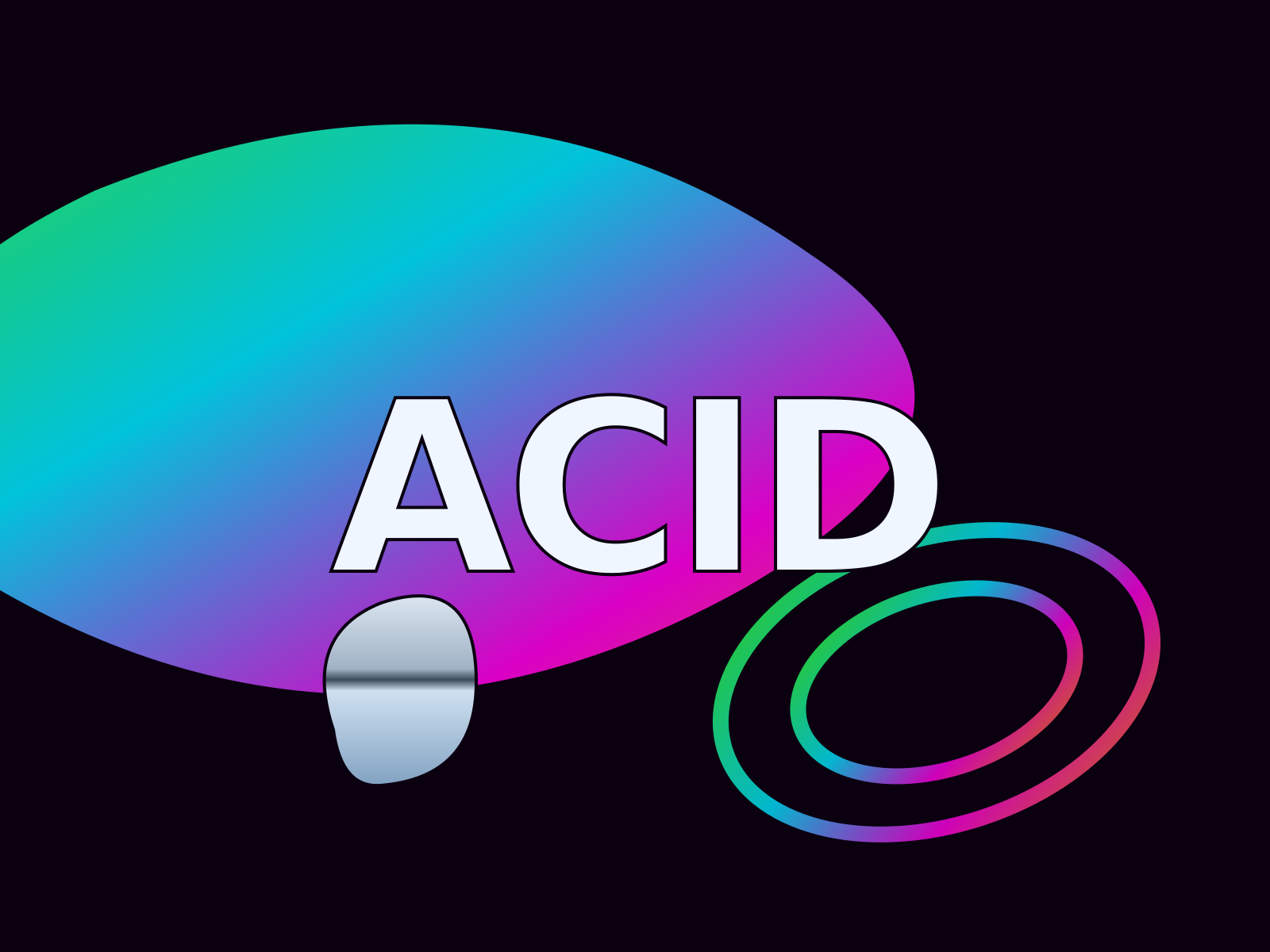
2020sA maximalist 2020s revival of rave and Y2K energy—liquid chrome type, distorted metallic gradients, and psychedelic clashing visuals dialed to overload.
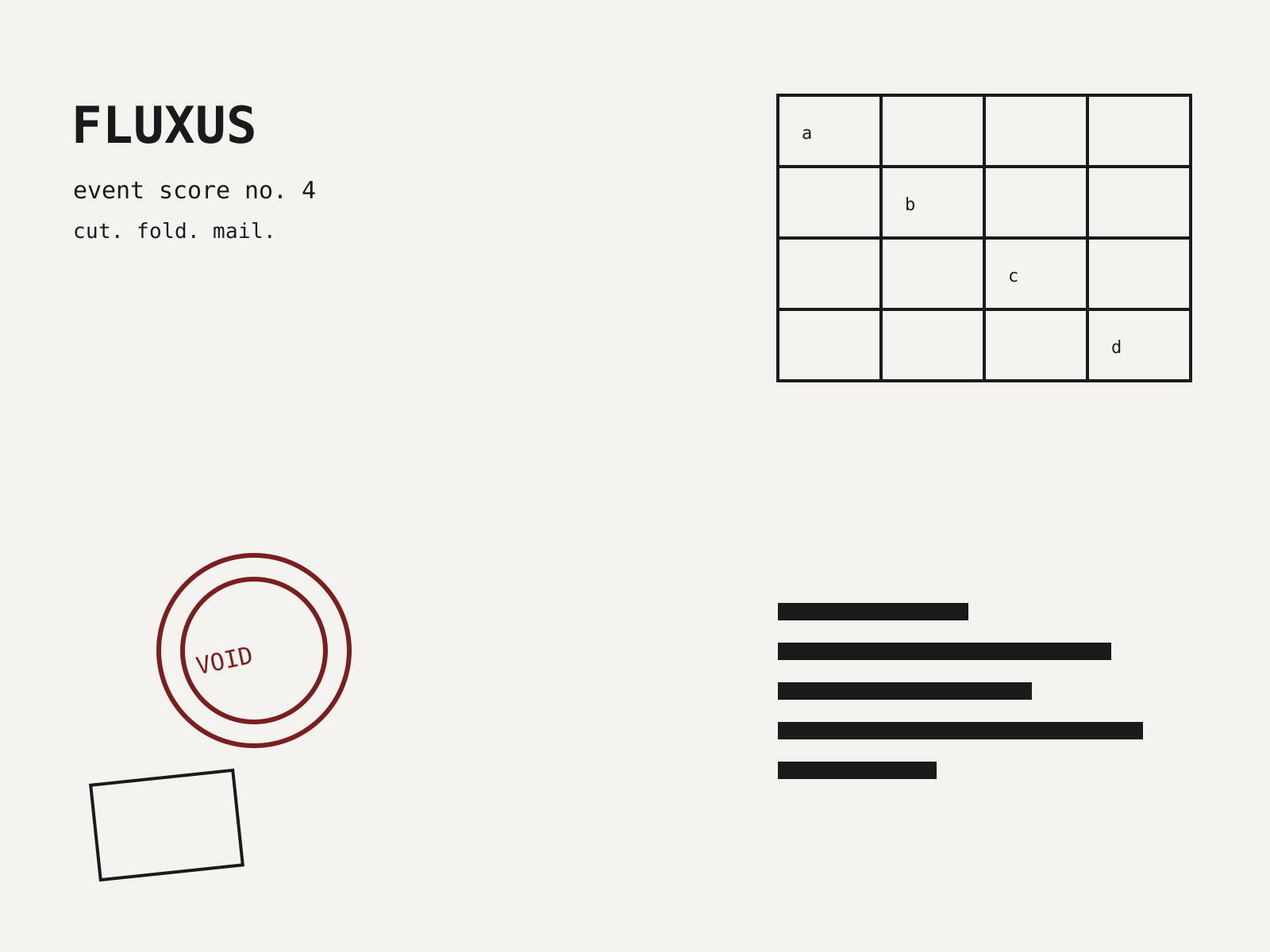 c.1962–1978
The deadpan, do-it-yourself print language of the Fluxus art network—event scores, mock catalogues, and boxed multiples that turned ephemera into the artwork itself.
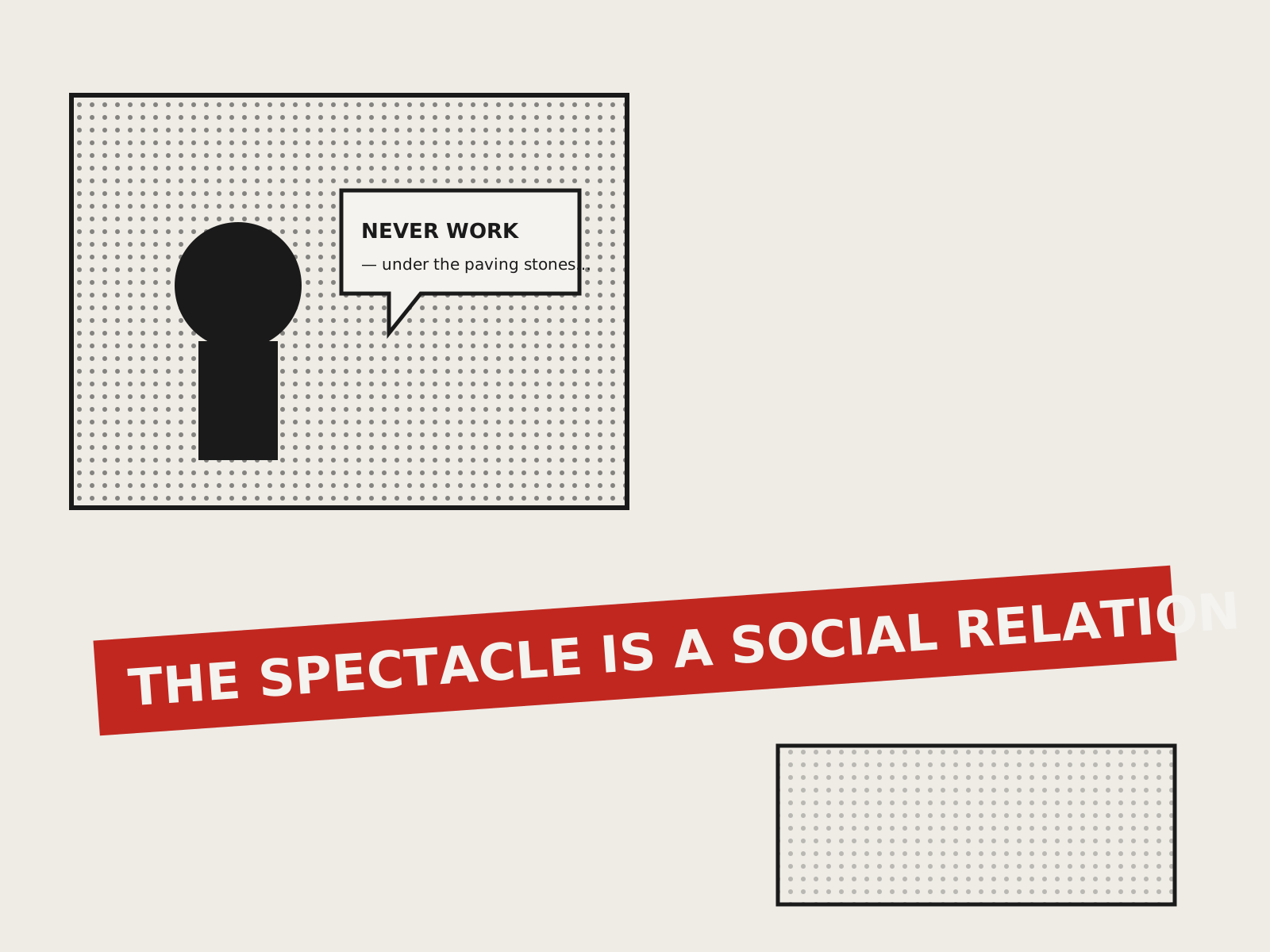 c.1957–1972
The subversive collage strategy of the Situationist International—hijacking comics, ads, and photo-romans with radical captions to turn spectacle against itself.
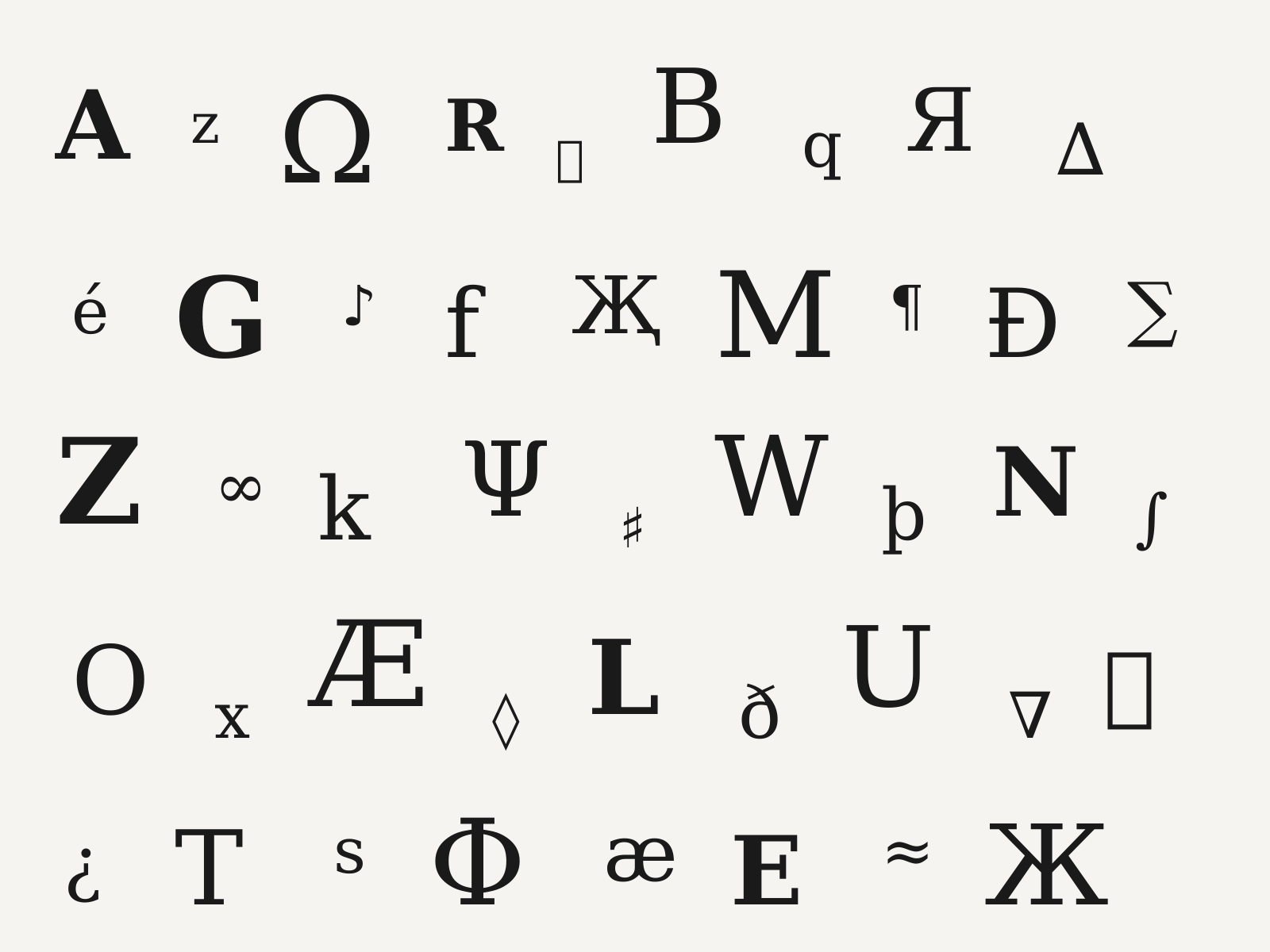 c.1945–1960
Isidore Isou's postwar French avant-garde that reduced art to the letter itself, filling pages with invented signs, glyphs, and 'hypergraphic' fields of pure notation.
Design Style Book graphic design style index.