Typography styles
50 type classifications and iconic typefaces, from Garamond to Helvetica to Comic Sans. Filter by family or formal traits — or search by name, designer, or keyword.
50 styles
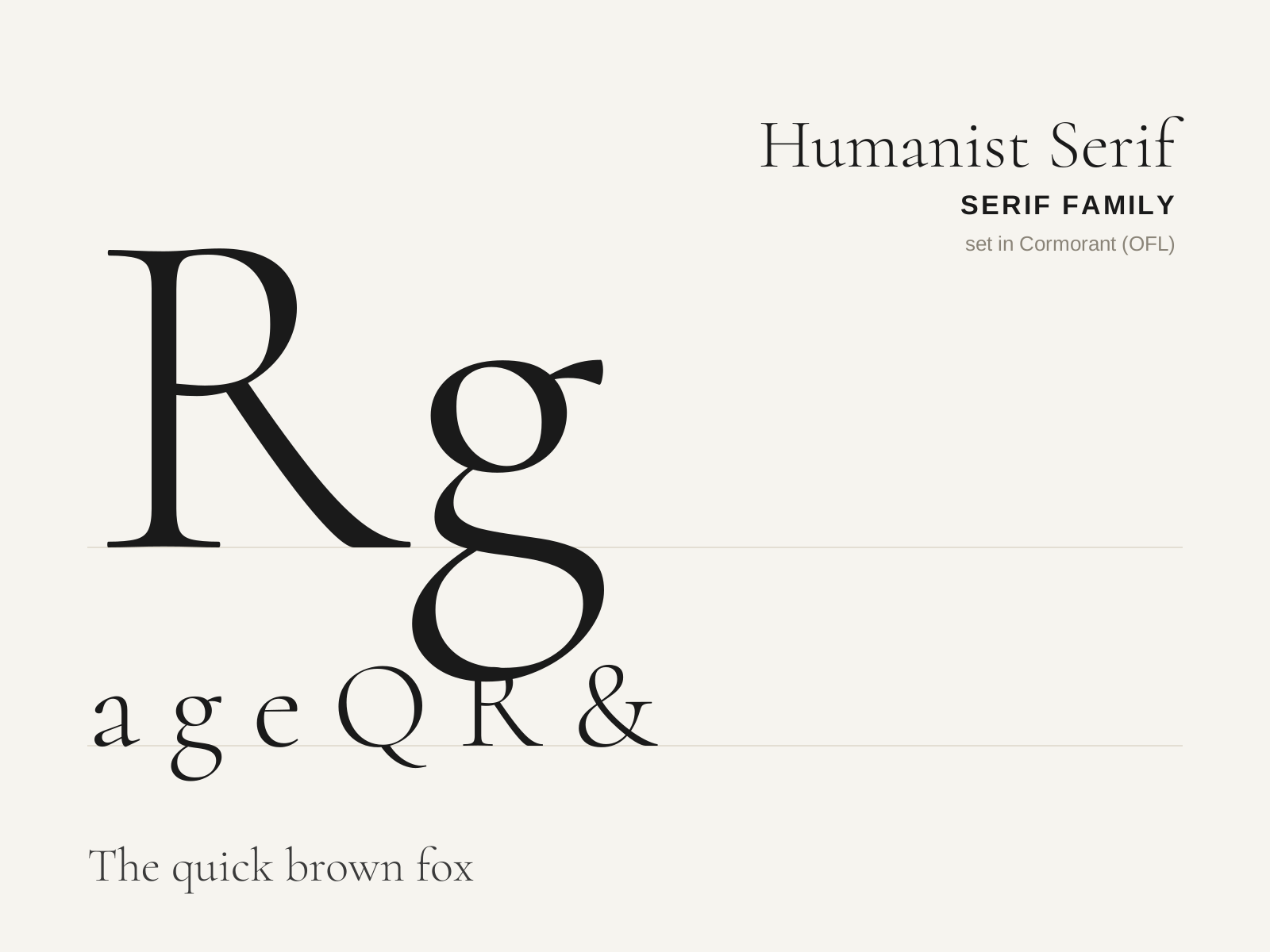
Humanist (Venetian) Serif
The earliest roman printing types, cut in Renaissance Italy to imitate the humanist scribal hand. Warm, sturdy, and unmistakably pen-formed, with a strongly slanted stress and a sloping crossbar on the lowercase e.
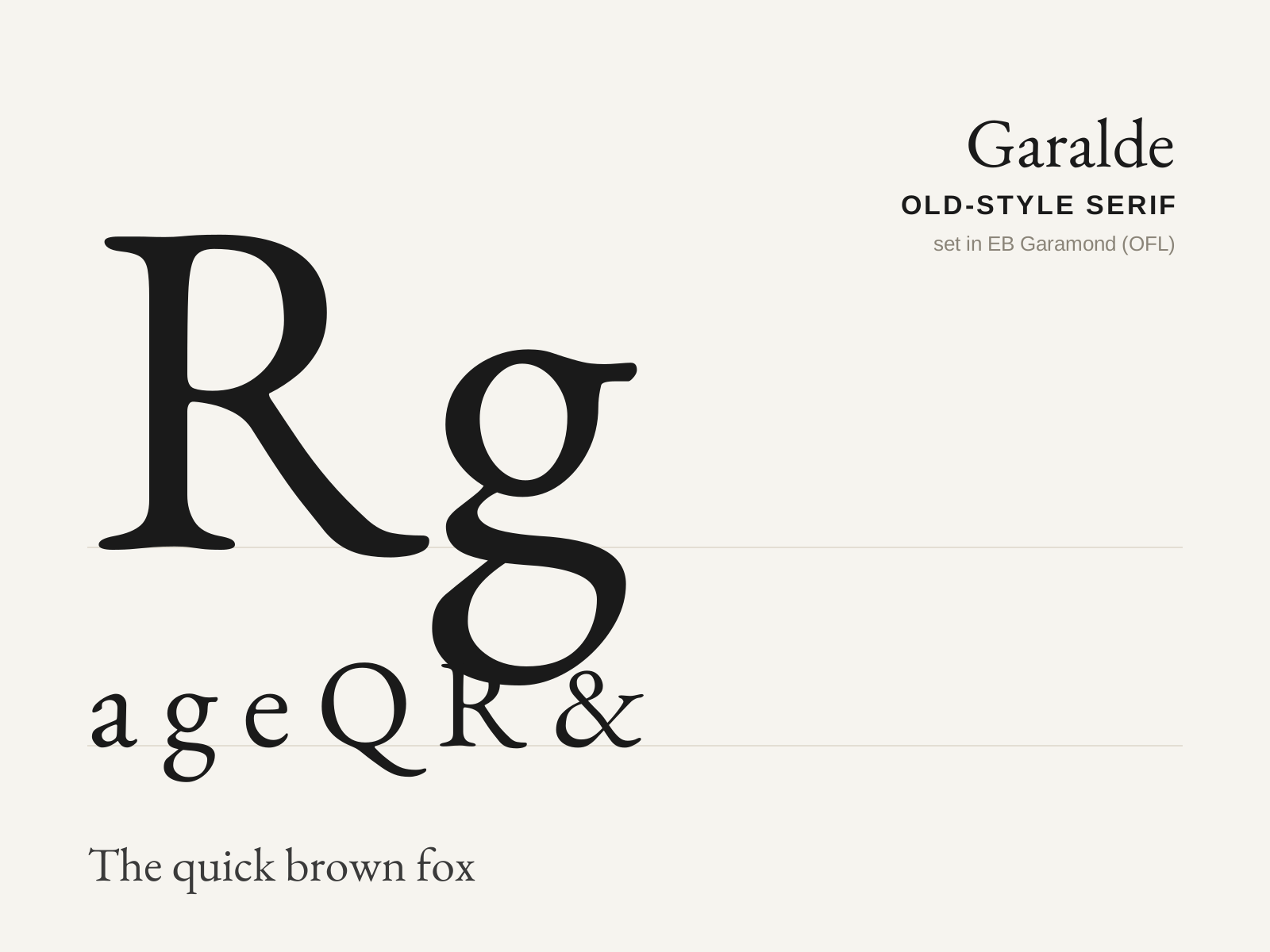
Garalde (Old-style)
The classic old-style serif — humanist roots refined by Aldus Manutius and the French punchcutters, with moderate stroke contrast, bracketed serifs, and an inclined stress that recalls the broad-nib pen.
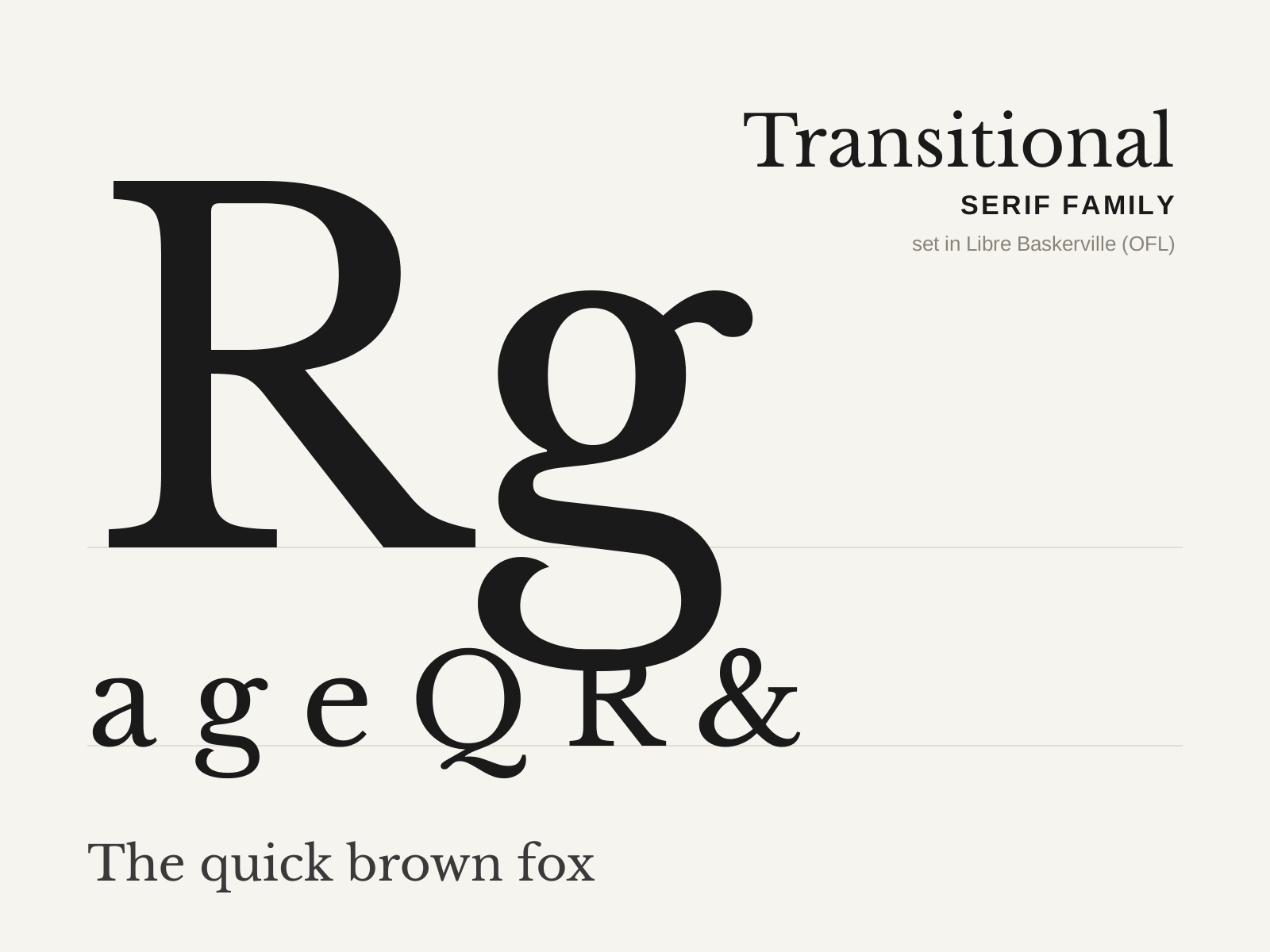
Transitional Serif
The bridge between the pen-formed old-styles and the rationalist Didones. Contrast sharpens and the axis swings toward vertical, yielding crisper, more even letterforms still warmed by bracketed serifs.
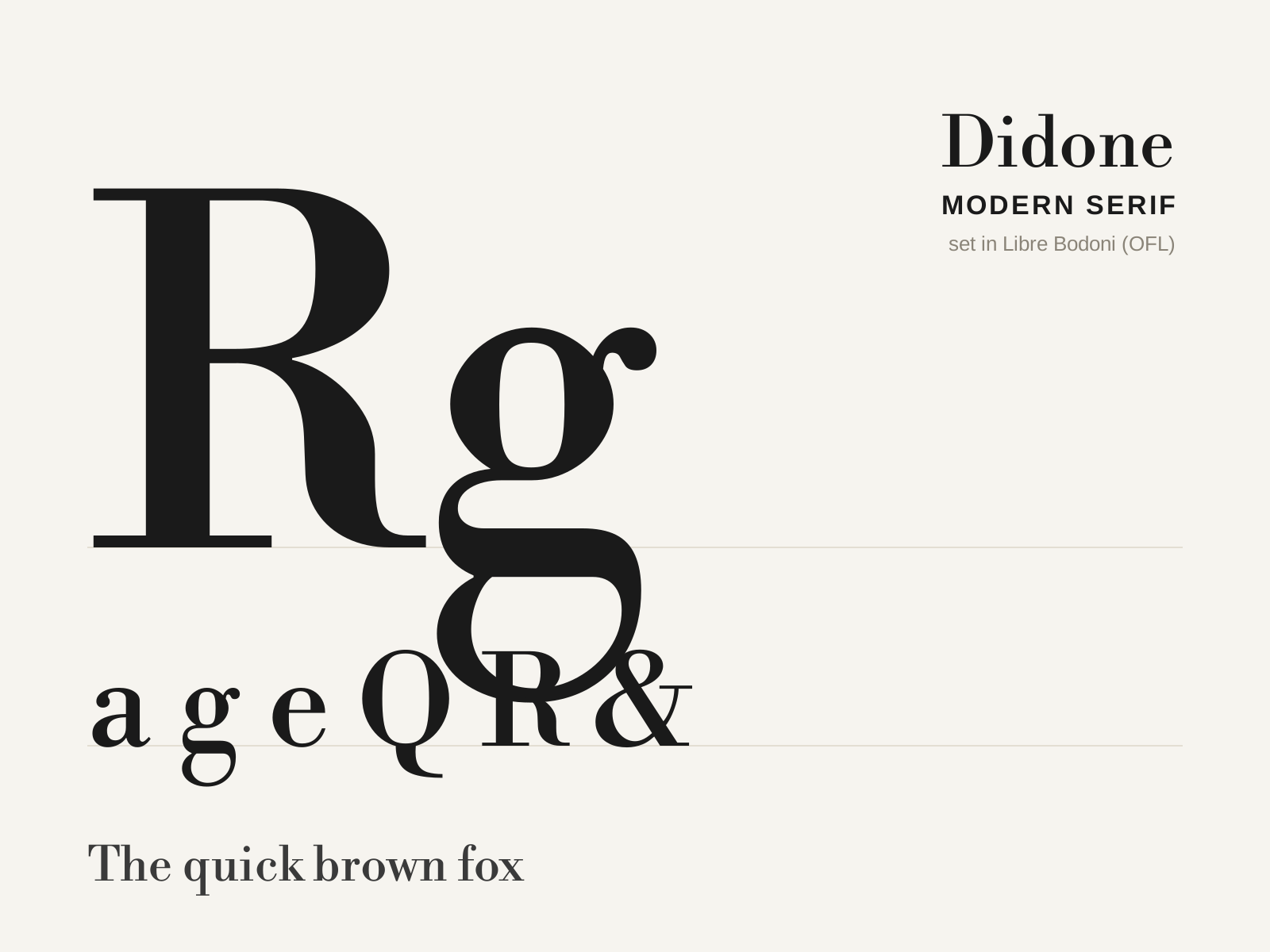
Didone (Modern) Serif
The rationalist serif at its most extreme — hairline-thin thins against heavy stems, a strictly vertical axis, and flat, unbracketed serifs. Dazzling, high-fashion, and unmistakably 'modern'.
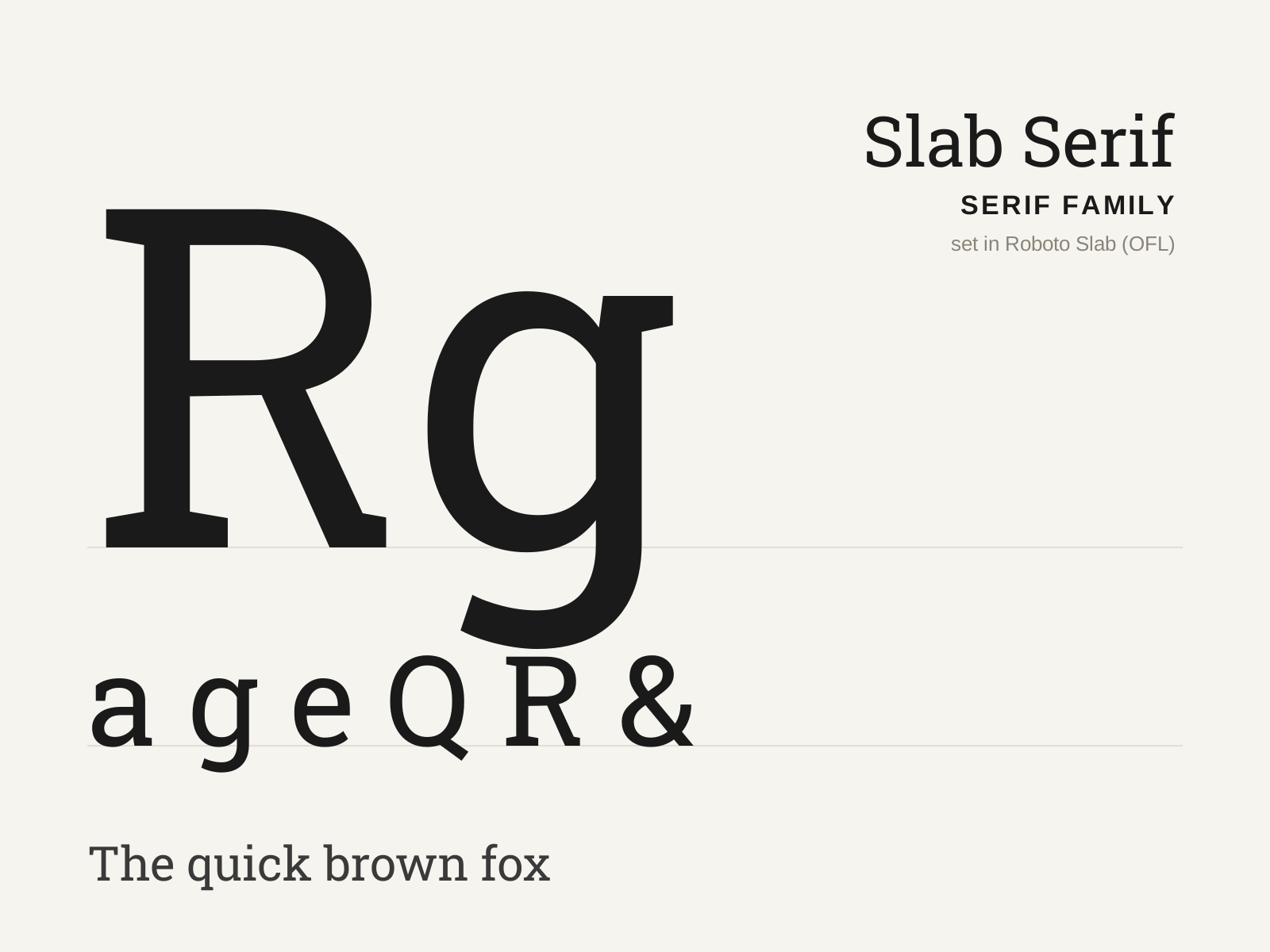
Slab Serif
Heavy, blocky serifs as thick as the stems, born for the bold demands of nineteenth-century advertising. Low contrast and squared-off, it shouts where the Didone whispers.
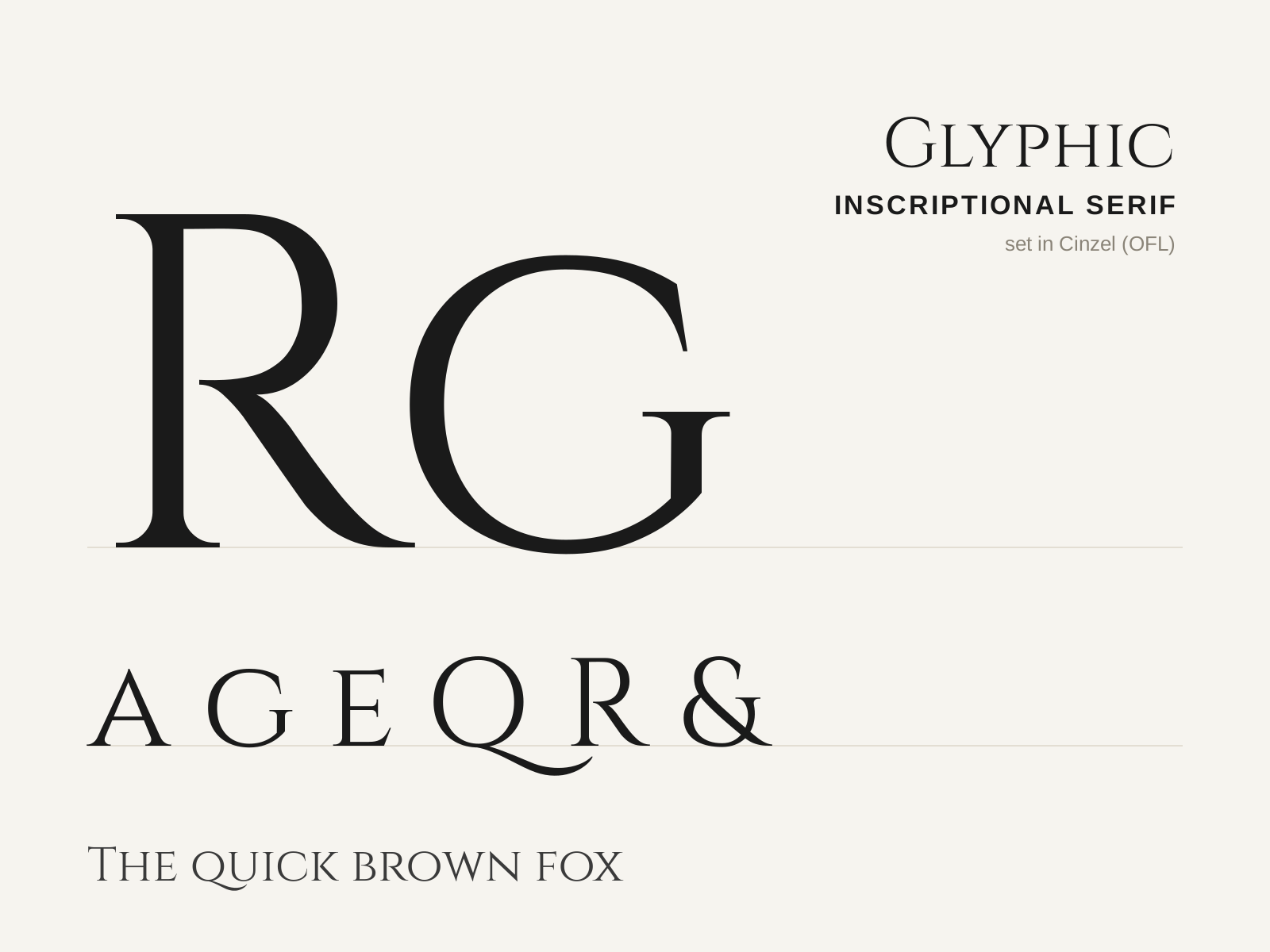
Glyphic (Inscriptional) Serif
Type that recalls letters chiselled in stone rather than written with a pen. Triangular, flaring serifs and a carved, monumental quality root it in the Roman inscriptional capital.
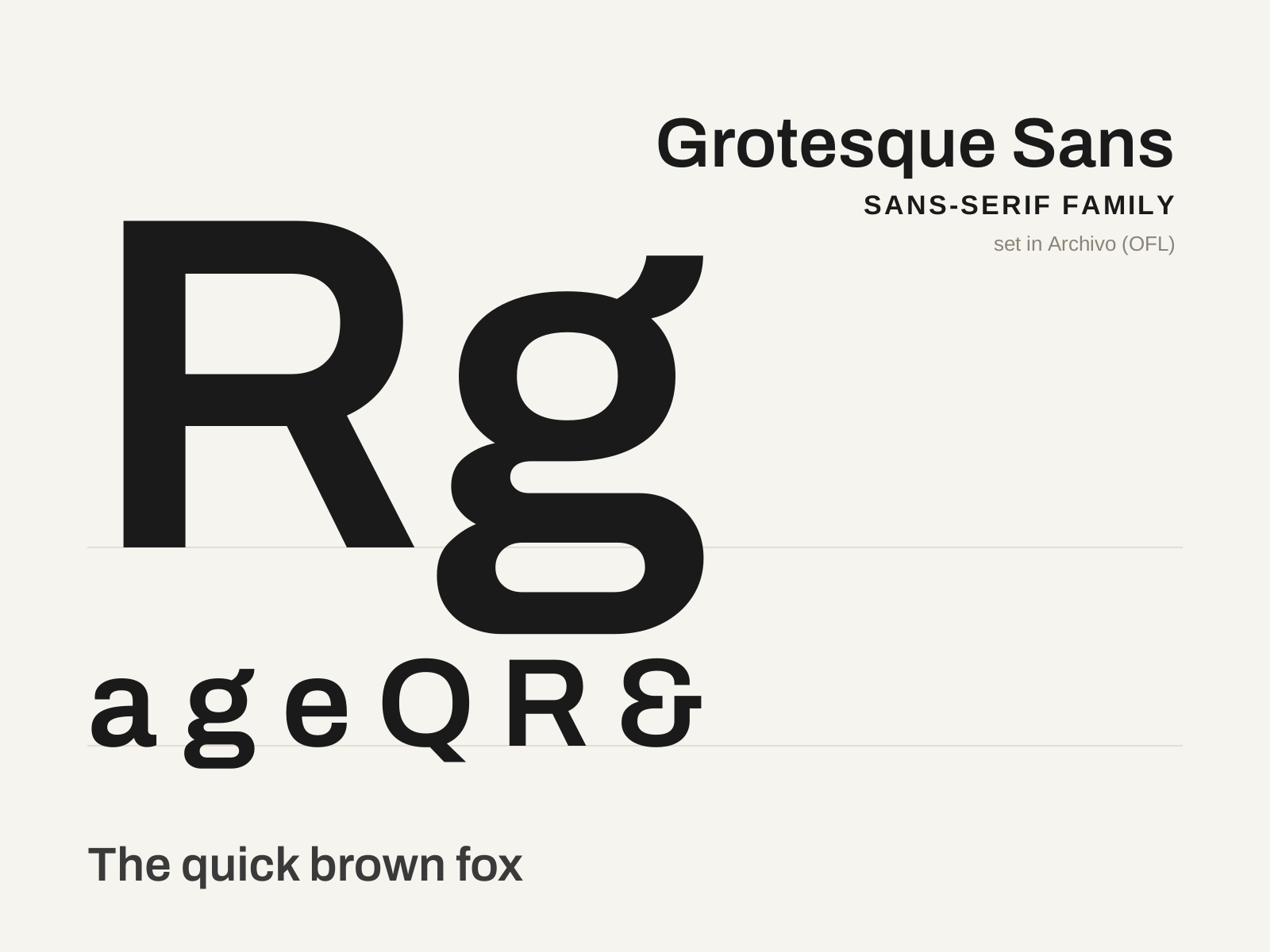
Grotesque Sans-serif
The first family of sans-serif type — the blunt, slightly irregular nineteenth-century 'grotesques' that gave Victorian advertising its loud display voice. Sturdy and a touch awkward, they are the ancestral stock from which every later sans descends.
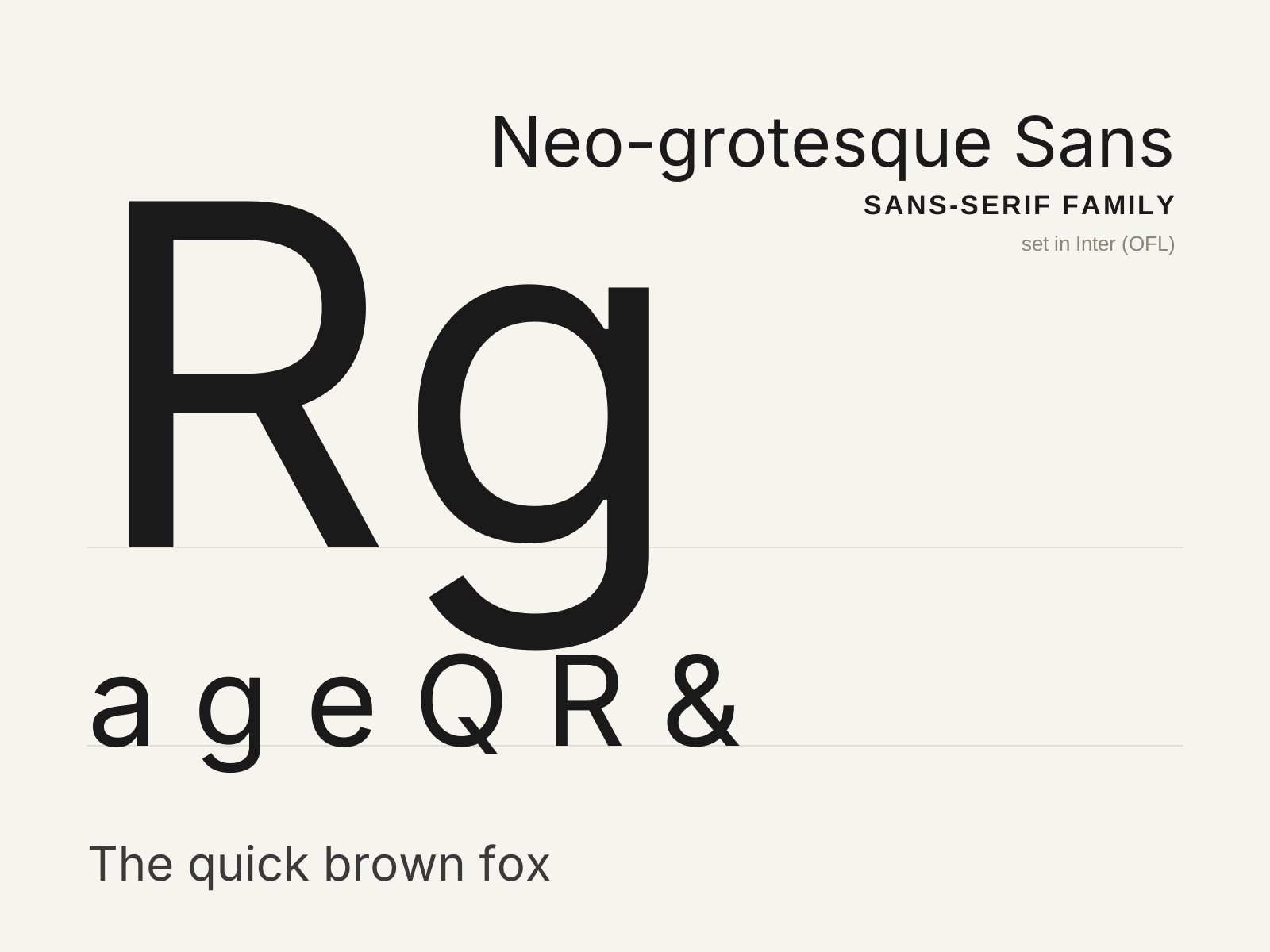
Neo-grotesque Sans-serif
The mid-century rationalization of the grotesque — the neutral, even, tightly fitted sans of Swiss modernism, engineered to disappear so the message could speak. Helvetica and Univers are its archetypes.
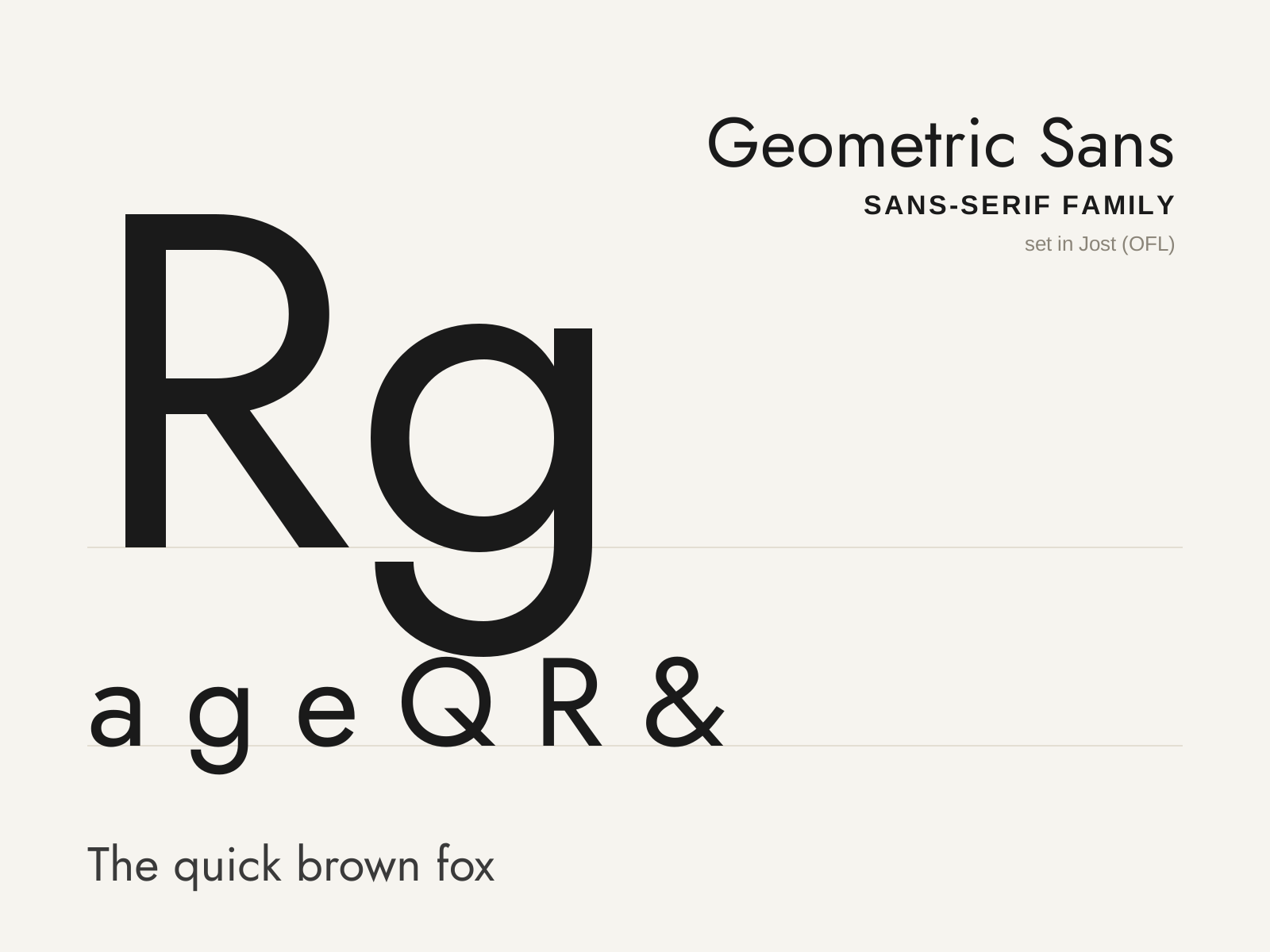
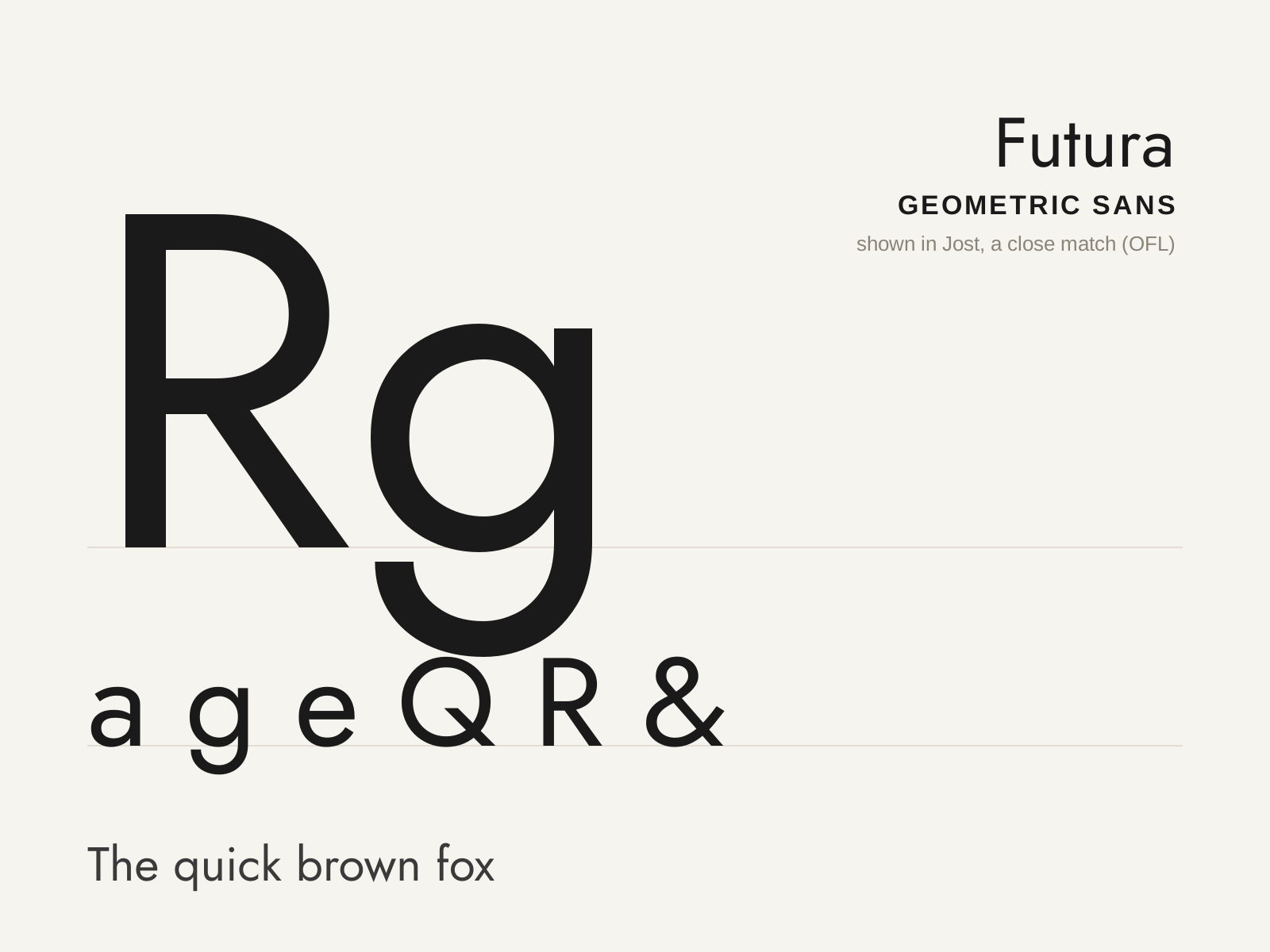
Geometric Sans-serif
Sans-serifs built from compass-and-straightedge primitives — circles, triangles, and straight lines — the Bauhaus dream of a rational, elemental alphabet. Futura is its founding monument.
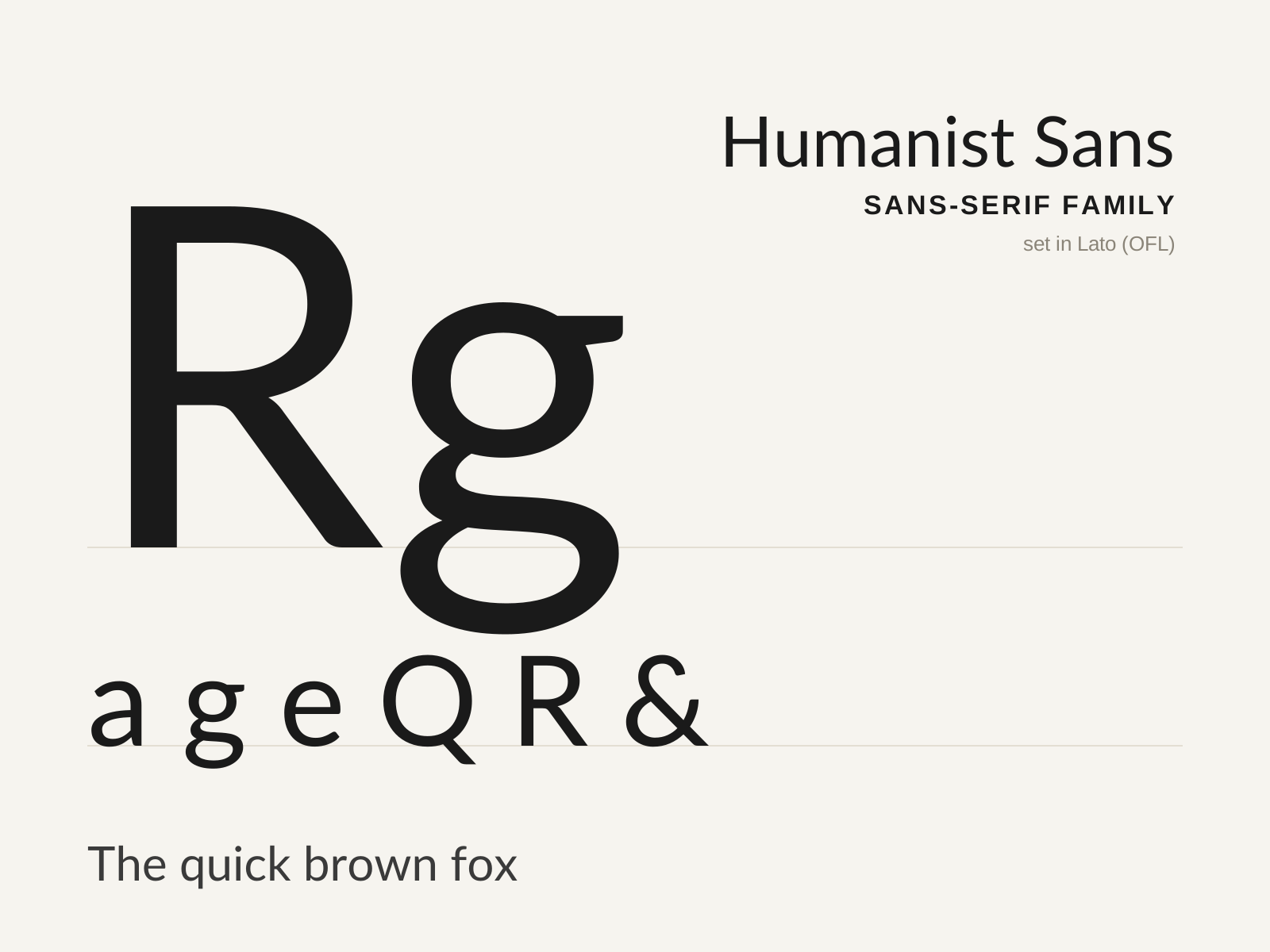
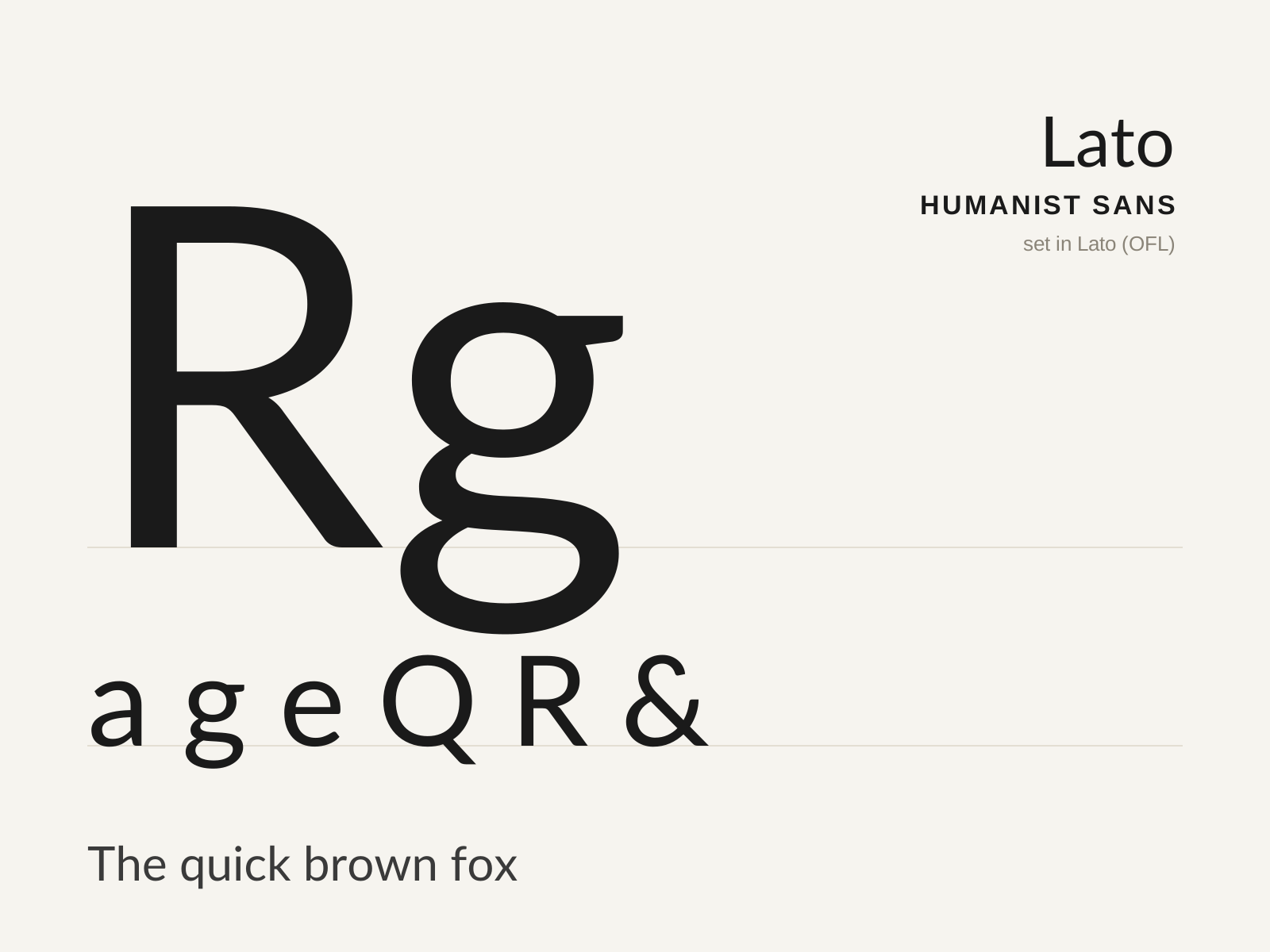
Humanist Sans-serif
Sans-serifs that smuggle the proportions and pen-rhythm of classical roman type into a seriffless skeleton — warmer, more legible, and more individual than the grotesque. Gill Sans and Frutiger are its standard-bearers.
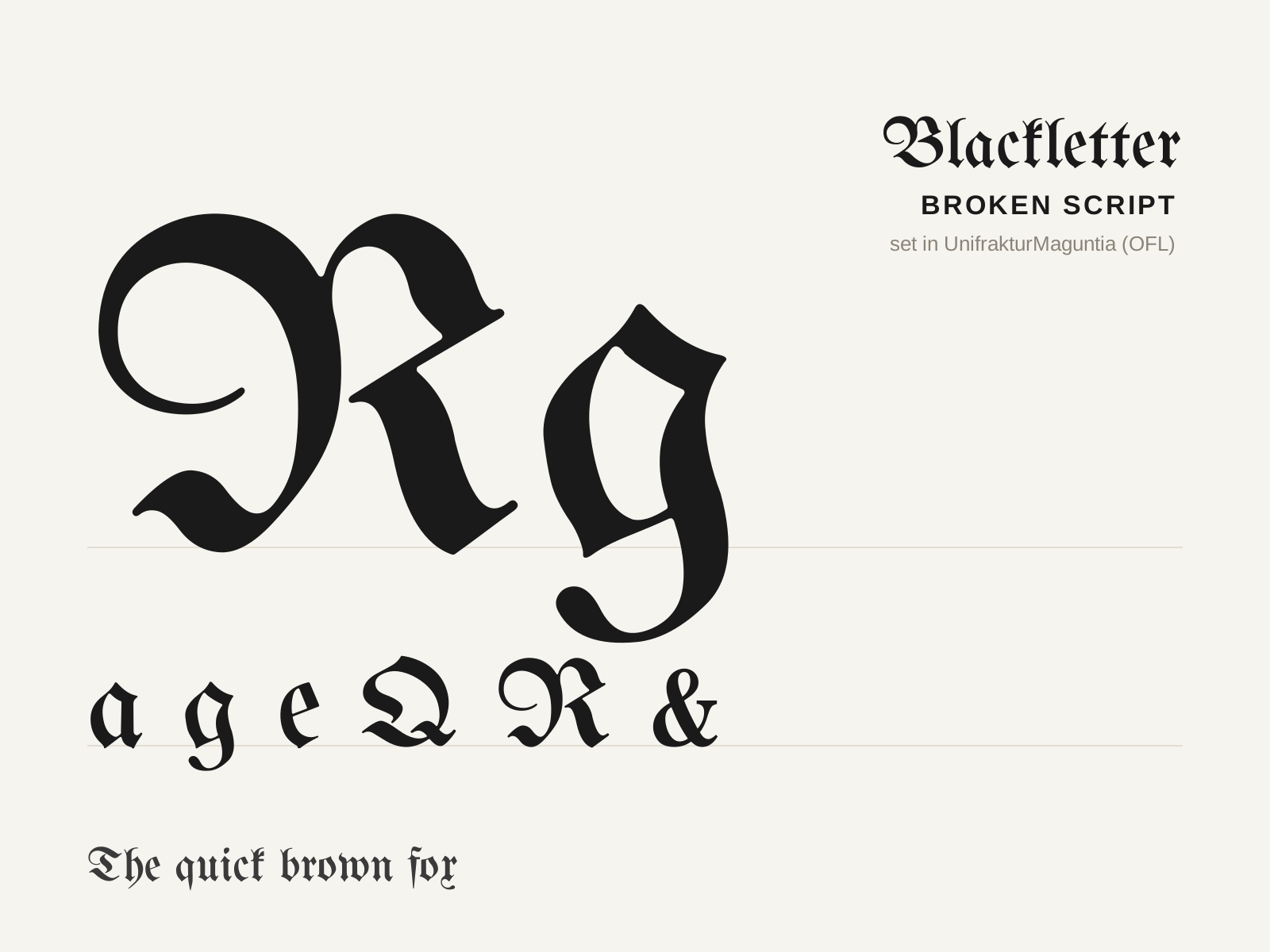
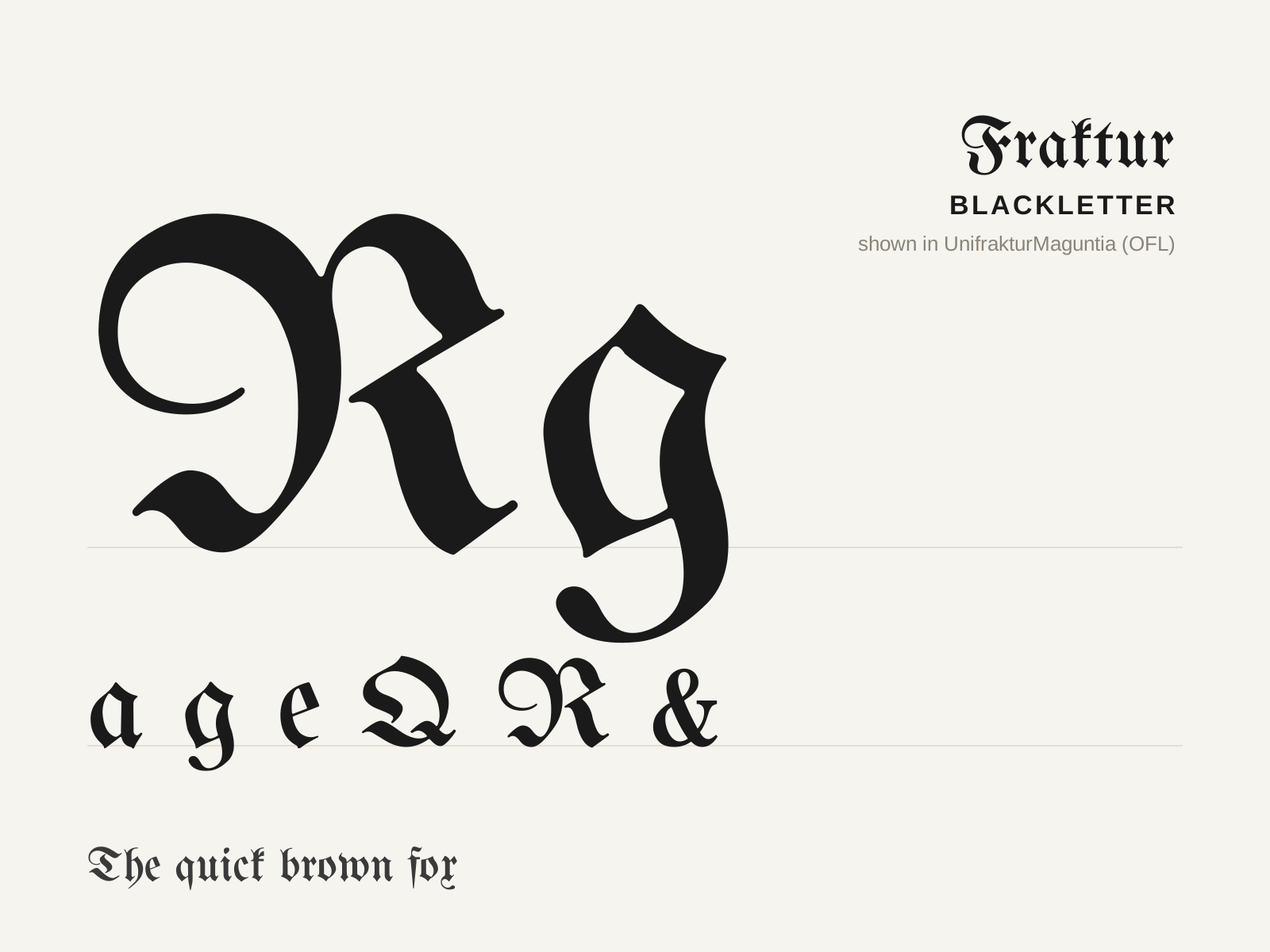
Blackletter
The dense, angular family of broken-pen scripts that carried medieval Europe from manuscript to movable type, all dark vertical strokes and fractured curves. Its descendants — textura, rotunda, schwabacher, and fraktur — range from rigid liturgical density to looser vernacular forms.
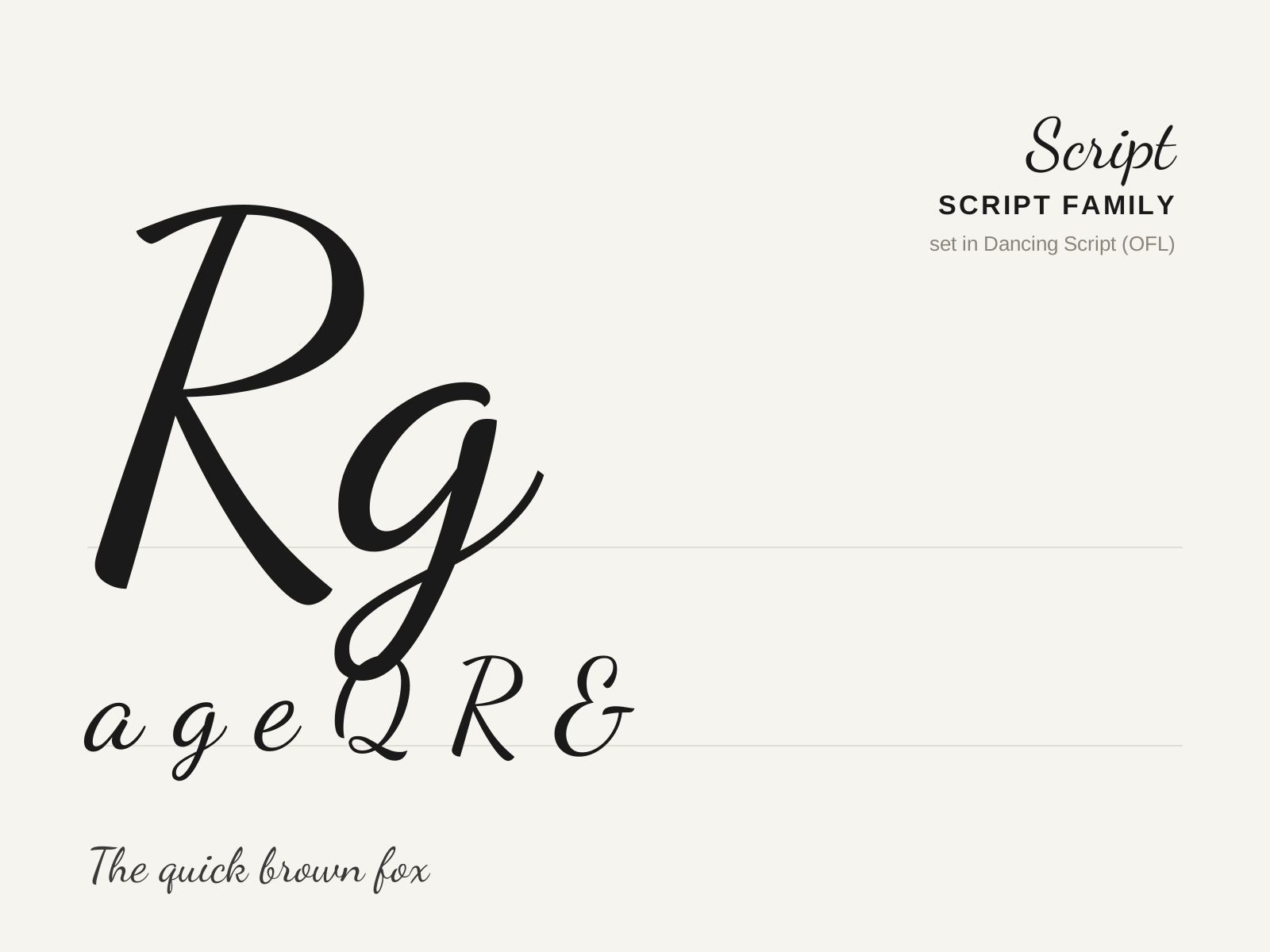
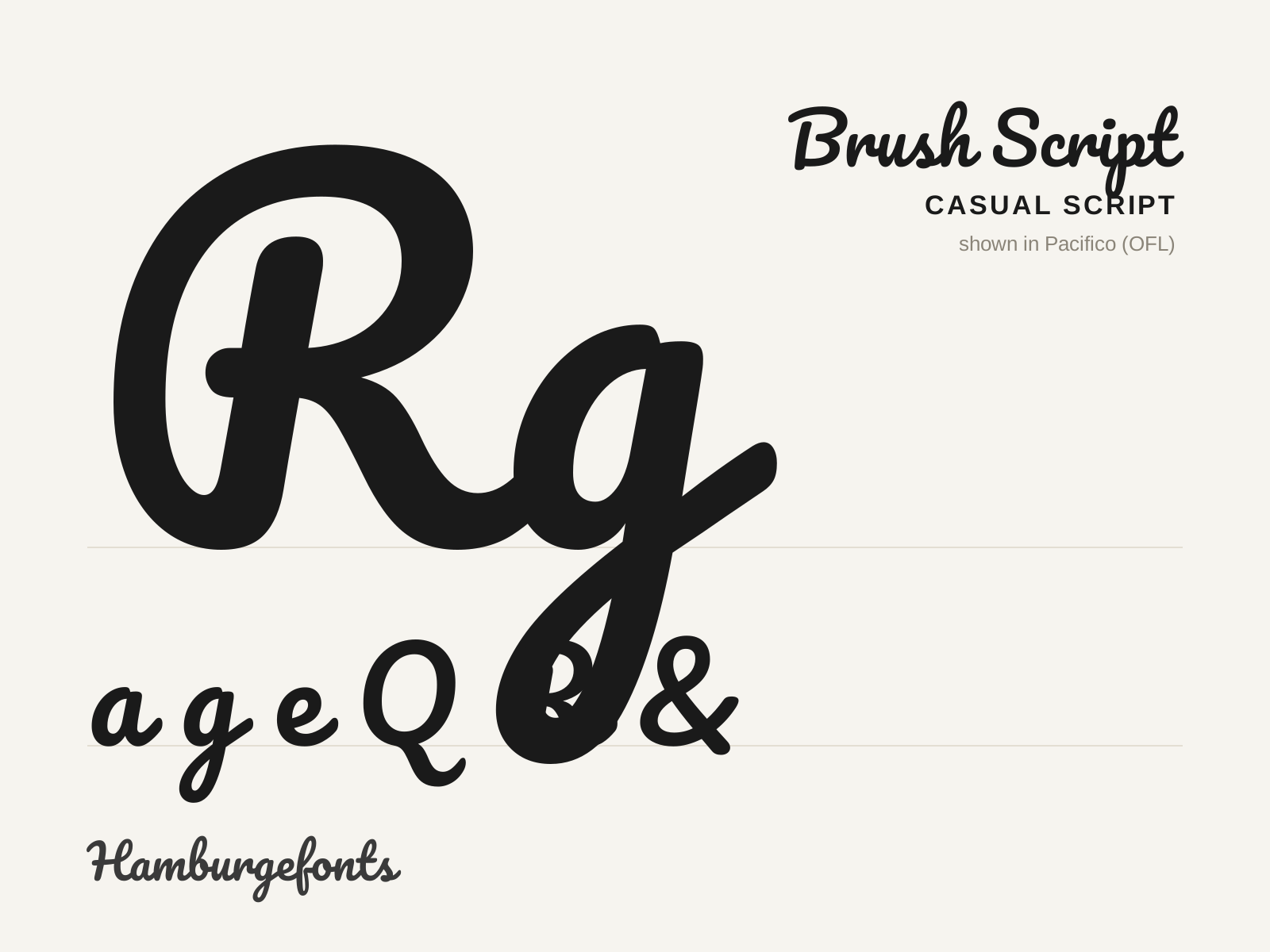
Script
The family of typefaces that imitate handwriting, from the disciplined loops of engraved formal scripts to the relaxed strokes of casual brush and pen hands. Letters lean, swell, and — in most scripts — physically join.
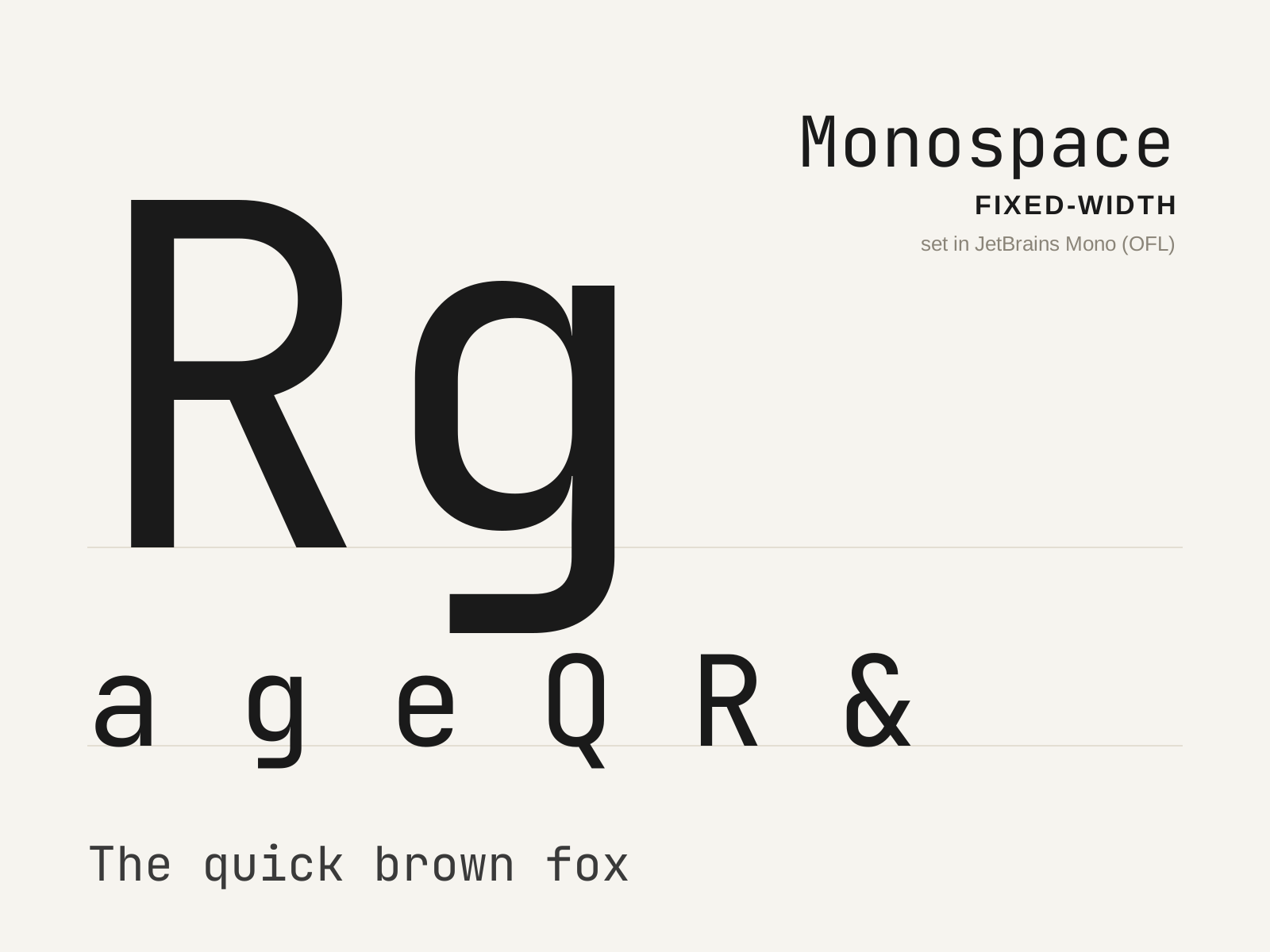
Monospace
The family in which every glyph occupies an identical horizontal width, descended from the mechanical typewriter and now the default voice of code. A narrow 'i' and a wide 'm' share the same cell, forcing distinctive design compromises.
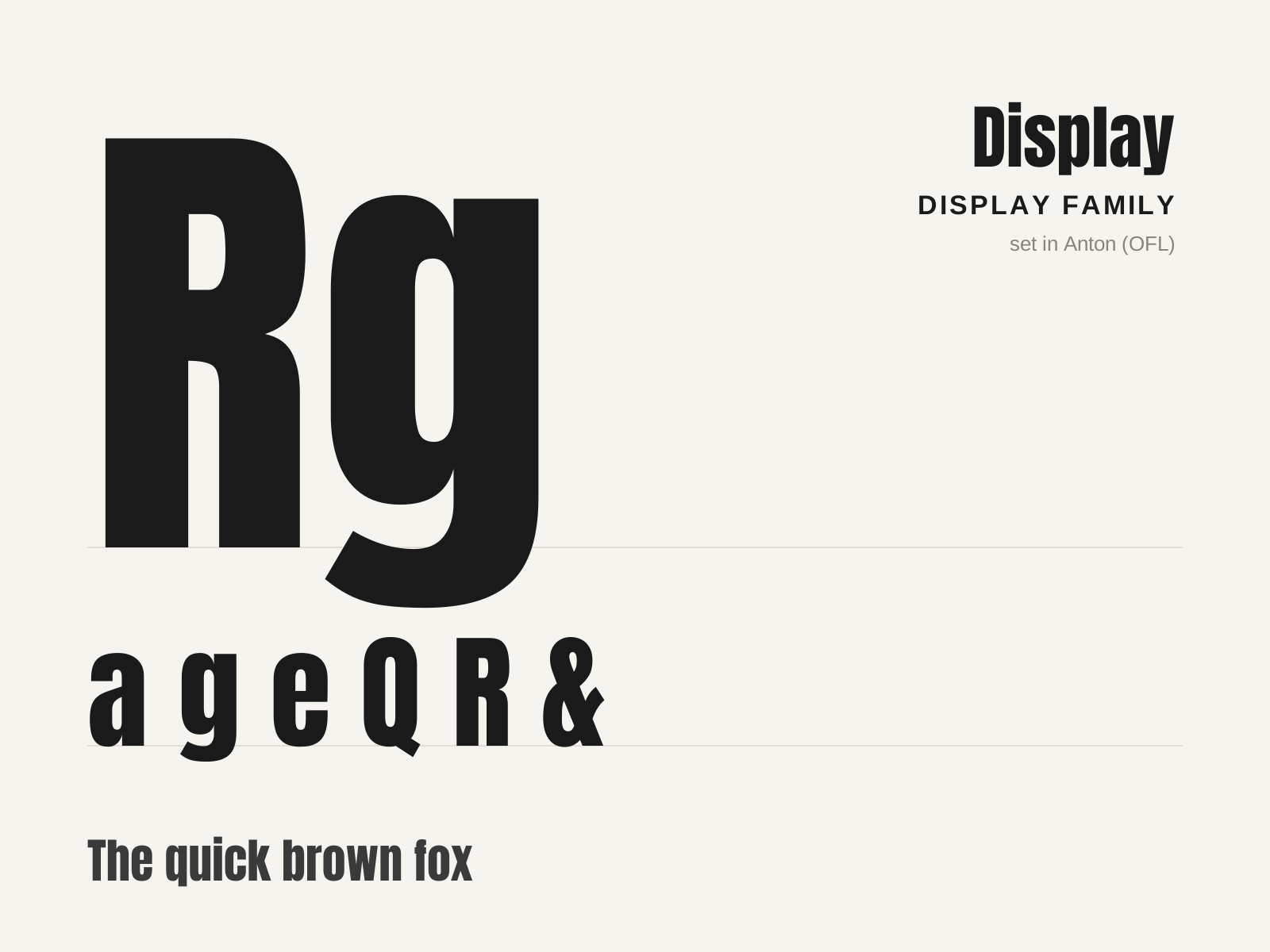
Display
The broad family of typefaces built for impact at large sizes — posters, headlines, logos — rather than readability in running text. Fat faces, slabs, condensed grotesques, and novelty designs all compete to grab the eye.
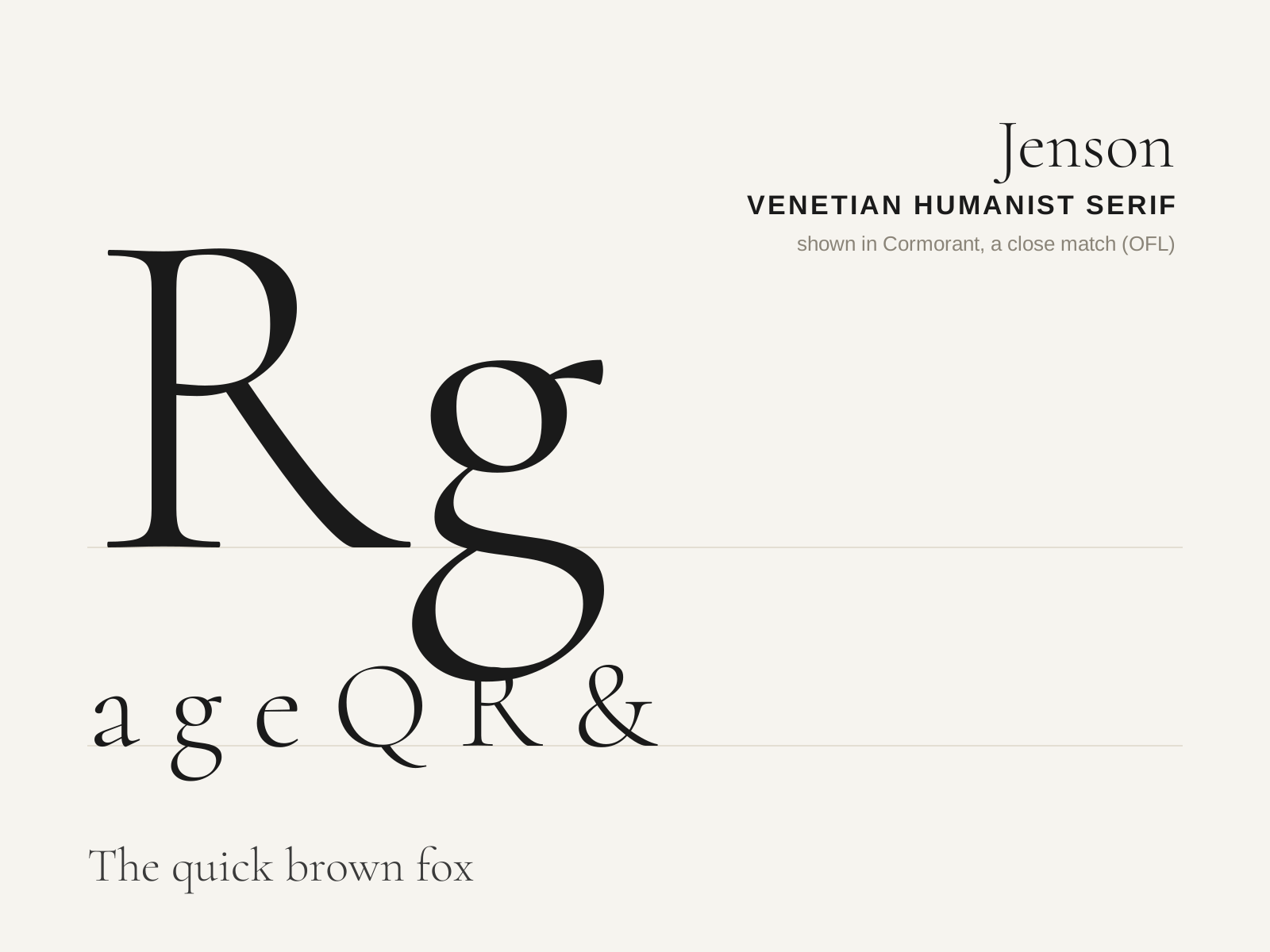
Jenson
Nicolas Jenson's 1470 Venetian roman — the archetypal humanist serif and, for many, the most beautiful roman type ever cut. Warm, even, and unmistakably drawn from the broad-nib pen.
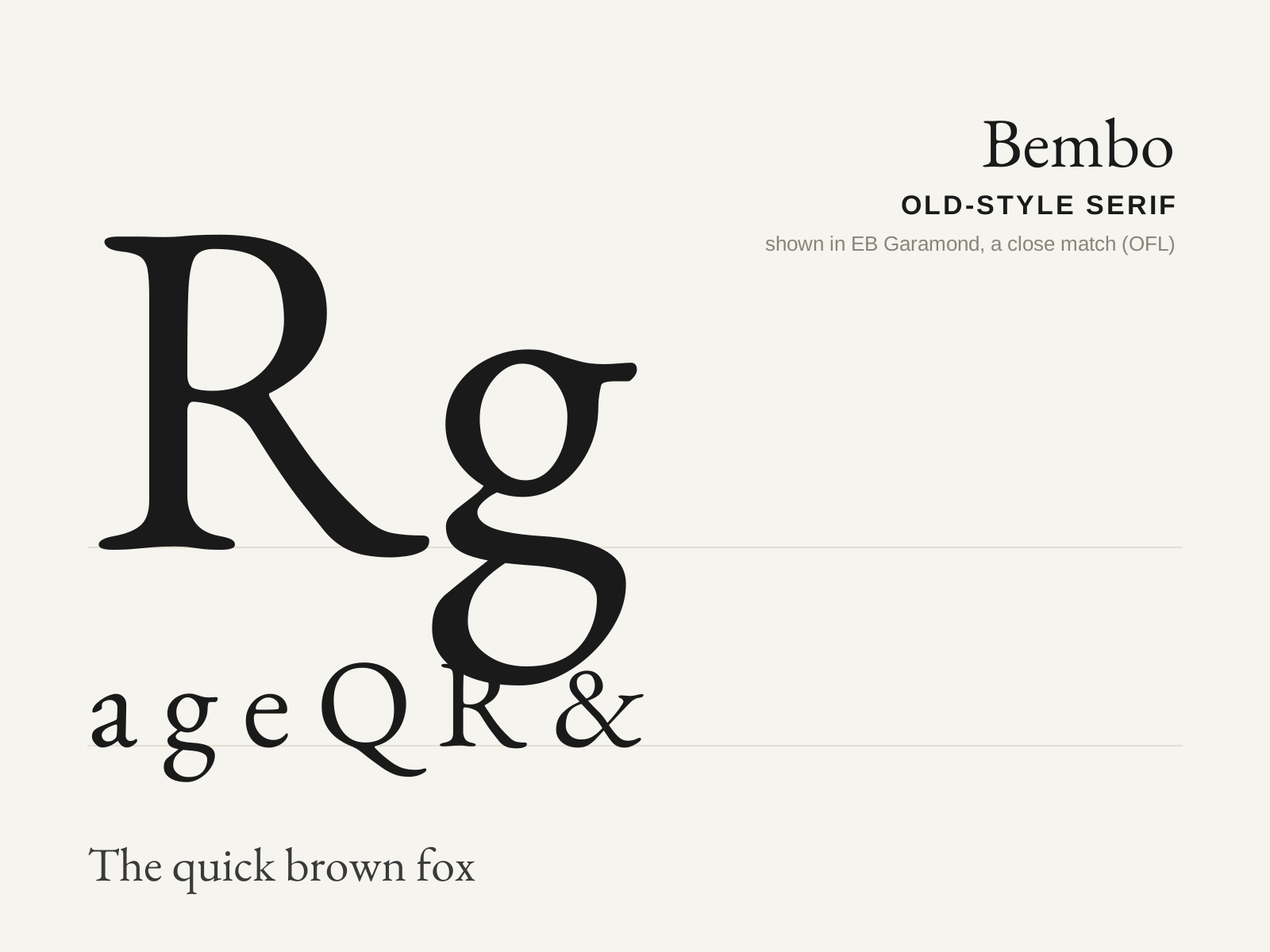
Bembo
The refined Aldine old-style cut by Francesco Griffo for Aldus Manutius in 1495 — lighter and more even than Jenson, and the direct ancestor of the entire Garalde line. Monotype's 1929 revival made it a modern book classic.
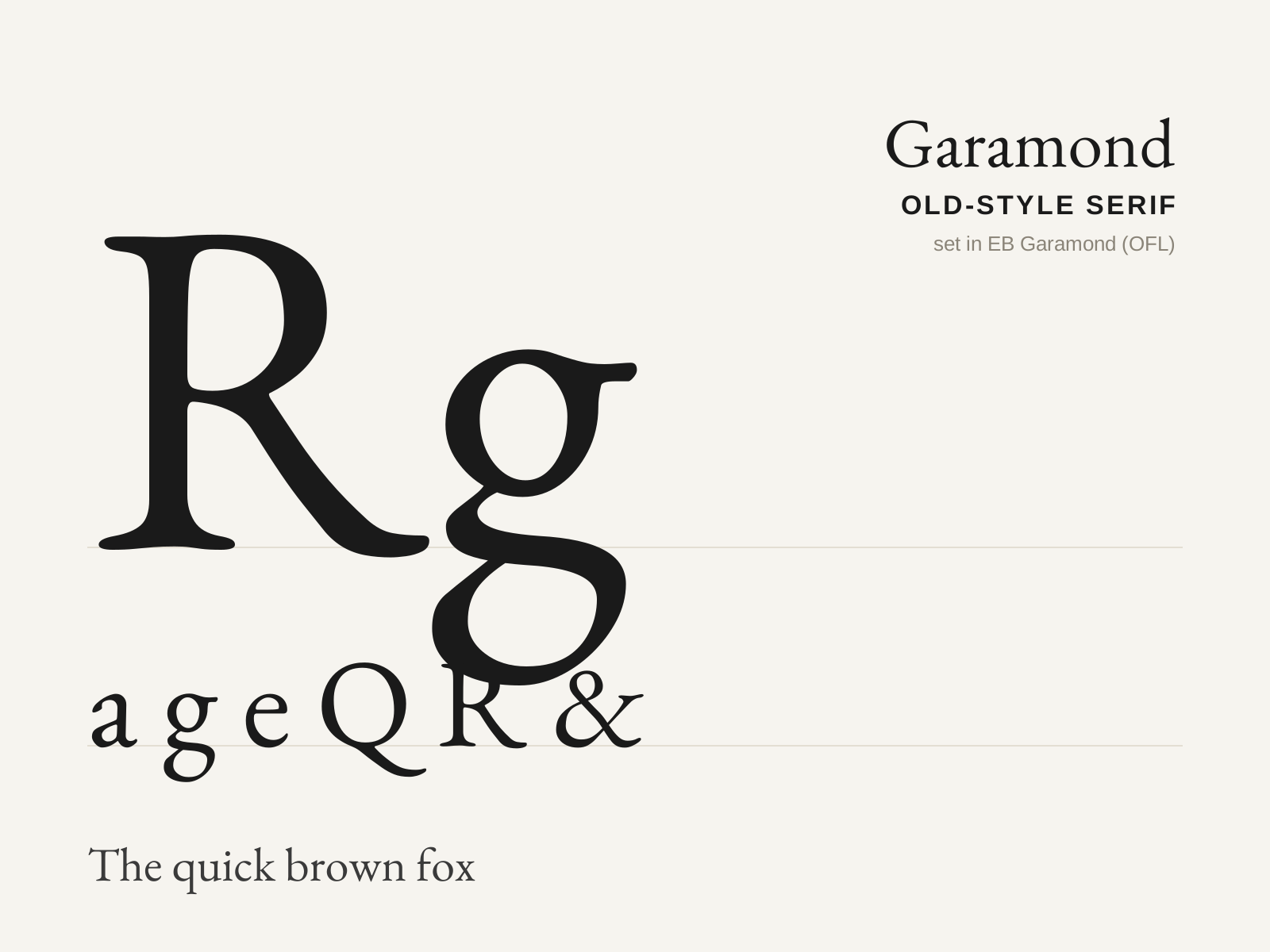
Garamond
Claude Garamond's sixteenth-century French old-style — the most refined Garalde of all and arguably the most enduring book type in the Latin alphabet. Pen-warm, even-colored, and effortlessly readable.
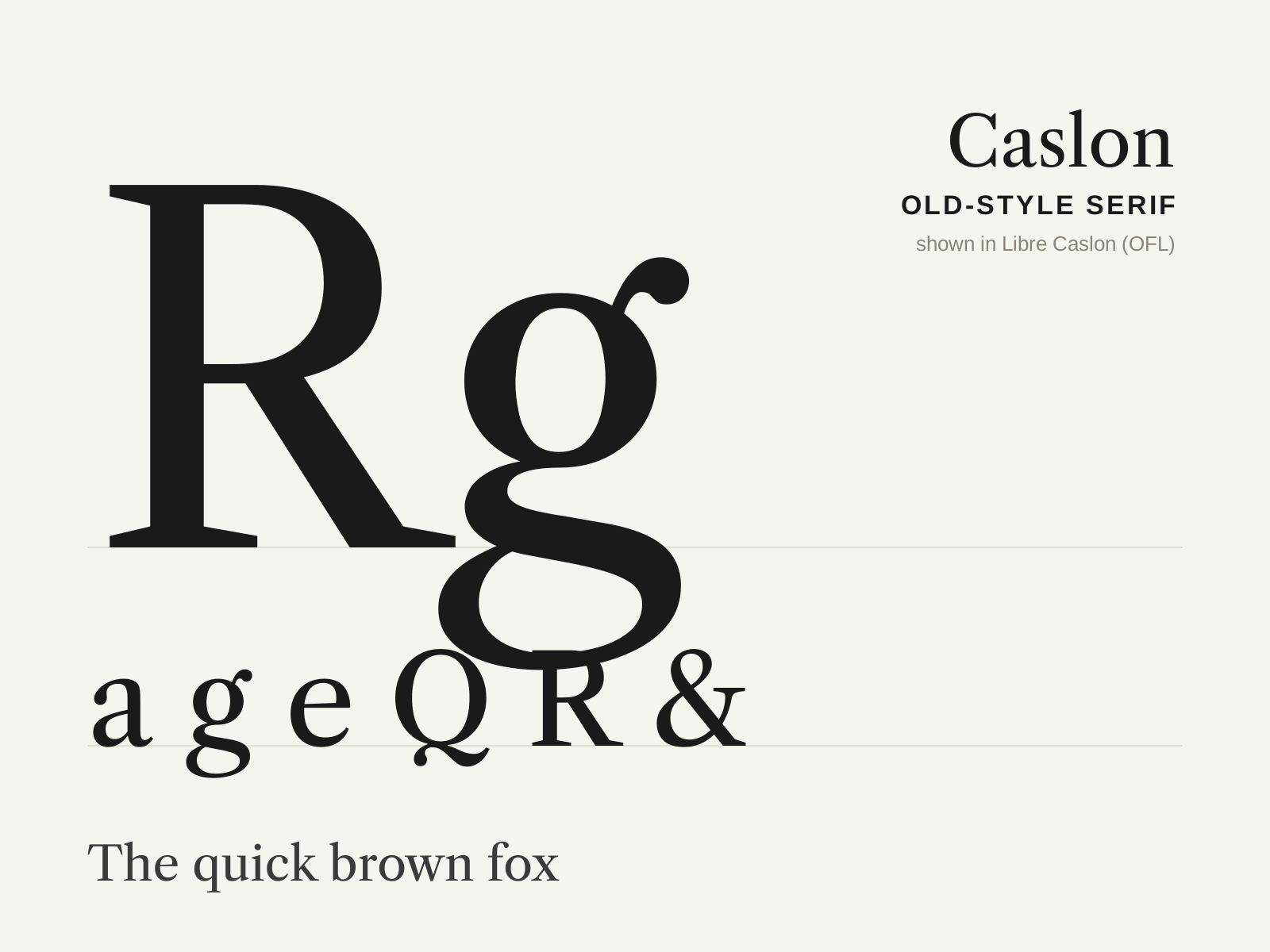
Caslon
William Caslon's sturdy English old-style of the 1720s — slightly irregular, immensely practical, and so trustworthy it set the U.S. Declaration of Independence. 'When in doubt, use Caslon.'
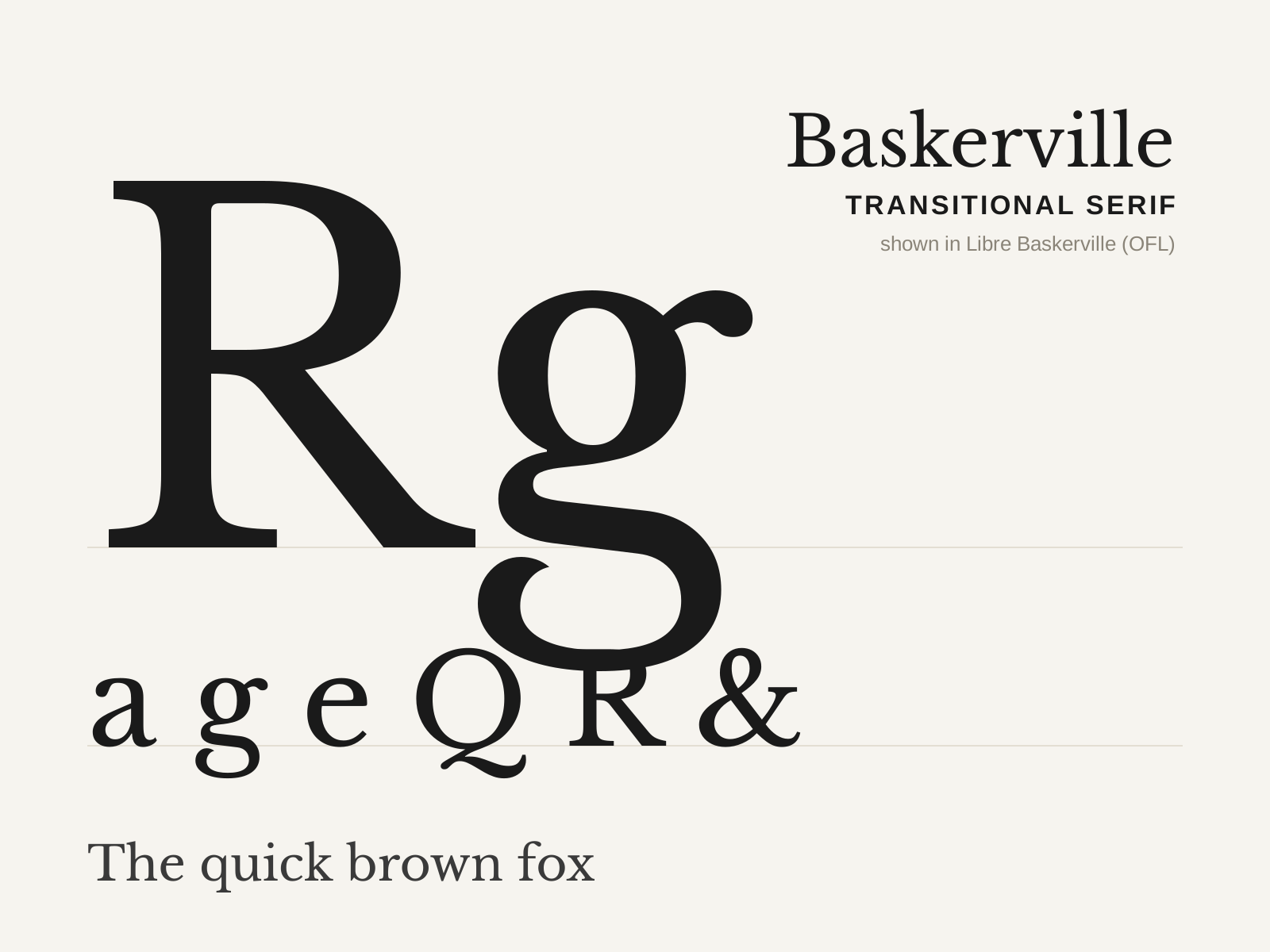
Baskerville
John Baskerville's 1757 transitional serif — crisper and higher in contrast than the old-styles, with a near-vertical stress and sparkling sharp serifs, printed on his own glossy paper with blacker ink.
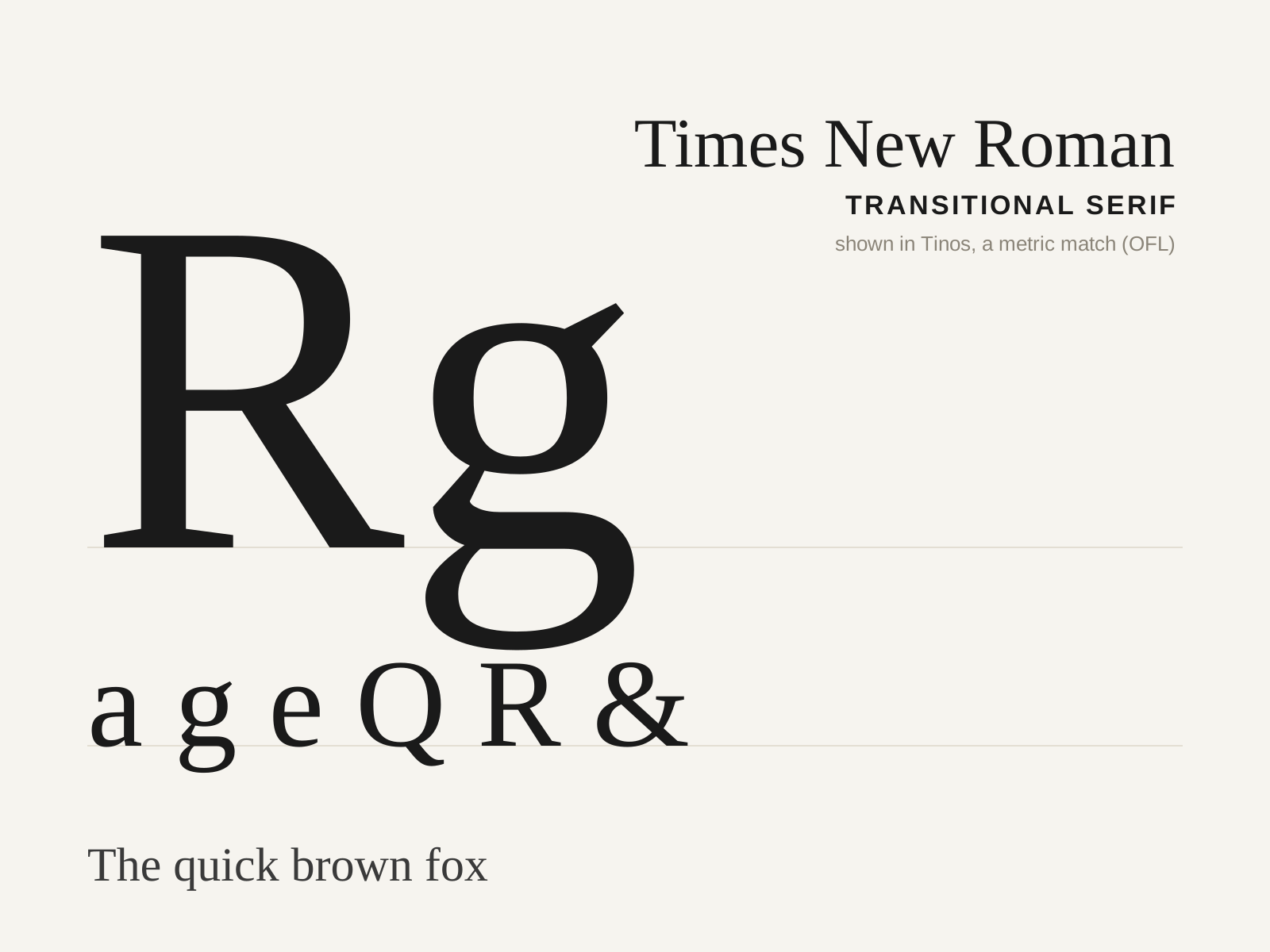
Times New Roman
The 1932 newspaper face commissioned for The Times of London under Stanley Morison and drawn by Victor Lardent — a compact, sharp, economical transitional serif that became the twentieth century's default.
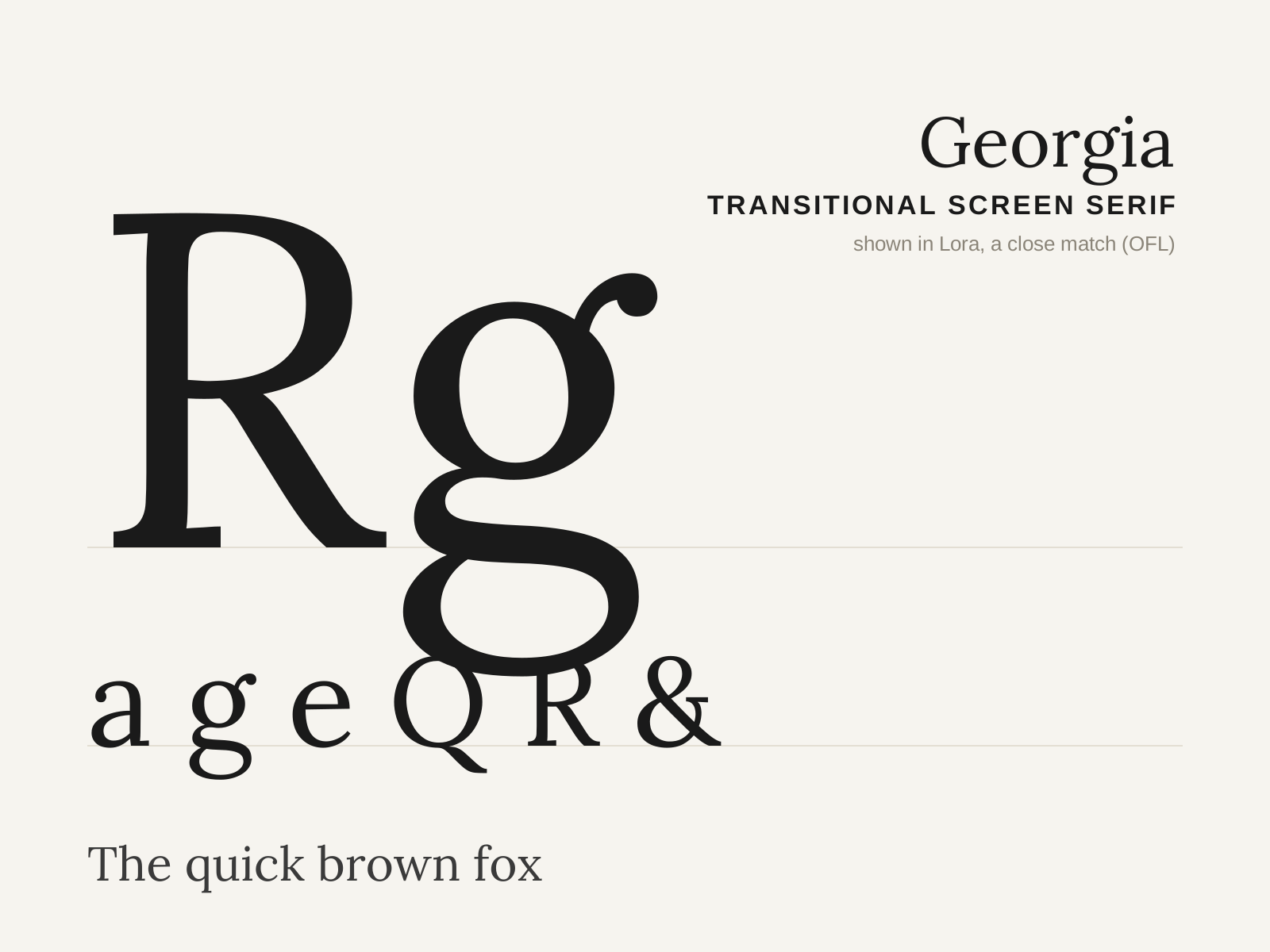
Georgia
Matthew Carter's 1993 serif designed for the low-resolution screen — a sturdy, large-x-height transitional face with old-style figures, engineered to stay legible where Times New Roman crumbled.
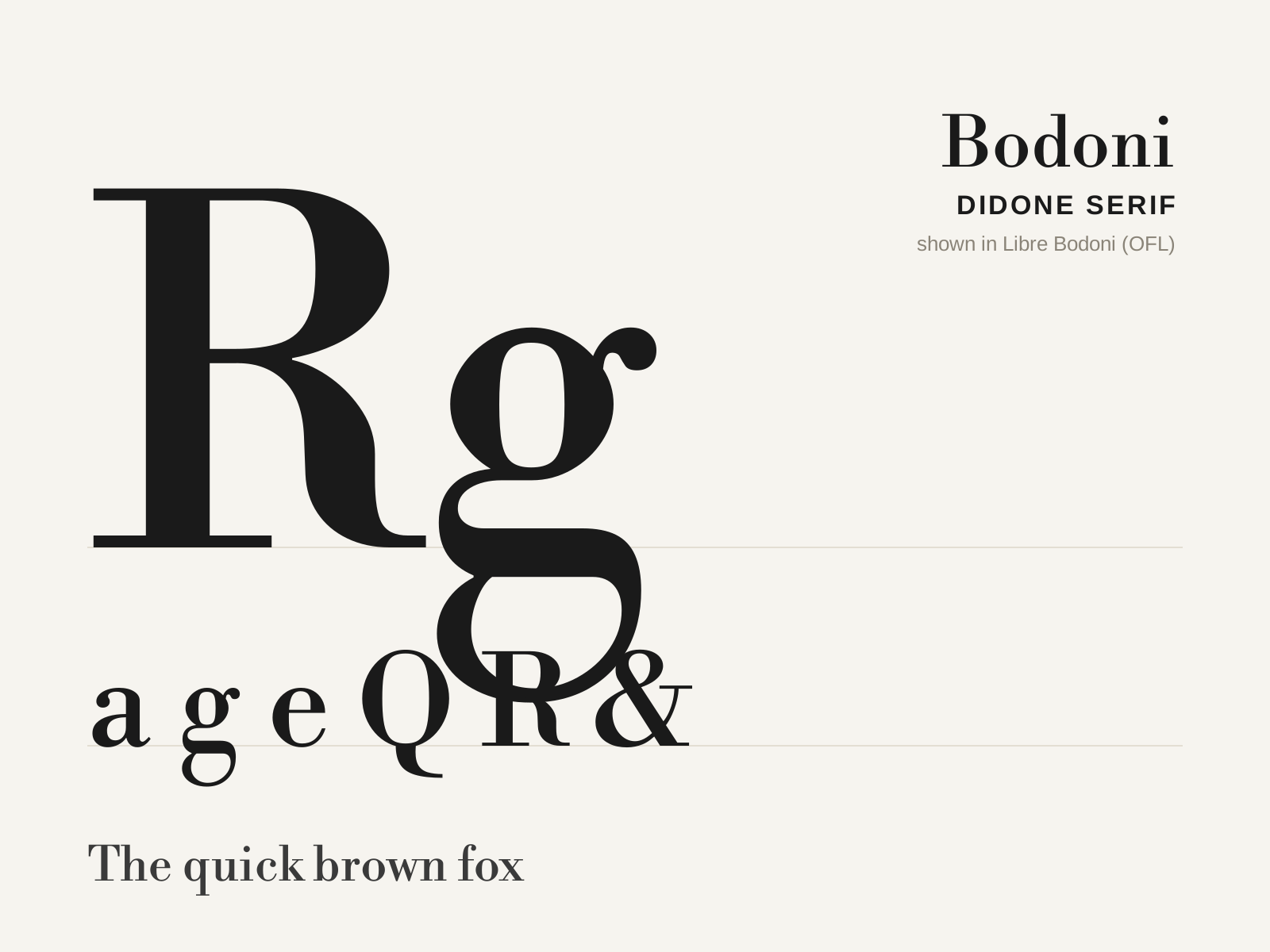
Bodoni
Giambattista Bodoni's late-eighteenth-century Didone — extreme contrast, a strictly vertical axis, and flat hairline serifs that 'dazzle' on the page. The face of luxury, fashion, and Empire elegance.
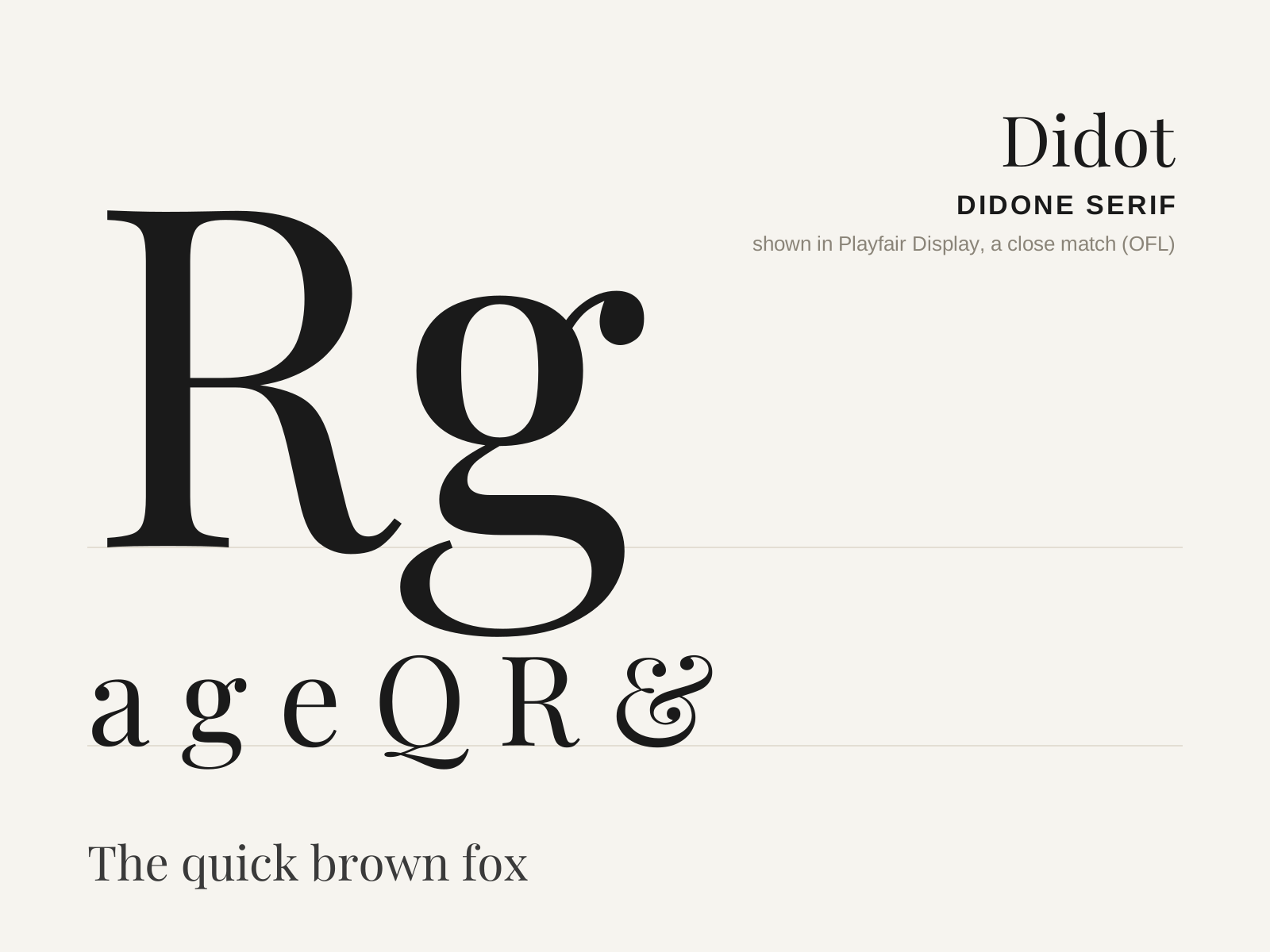
Didot
Firmin Didot's Parisian Didone of the 1780s–90s — even more severe and hairline-fine than Bodoni, with razor-thin unbracketed serifs. The chic, frosty voice of French fashion typography.
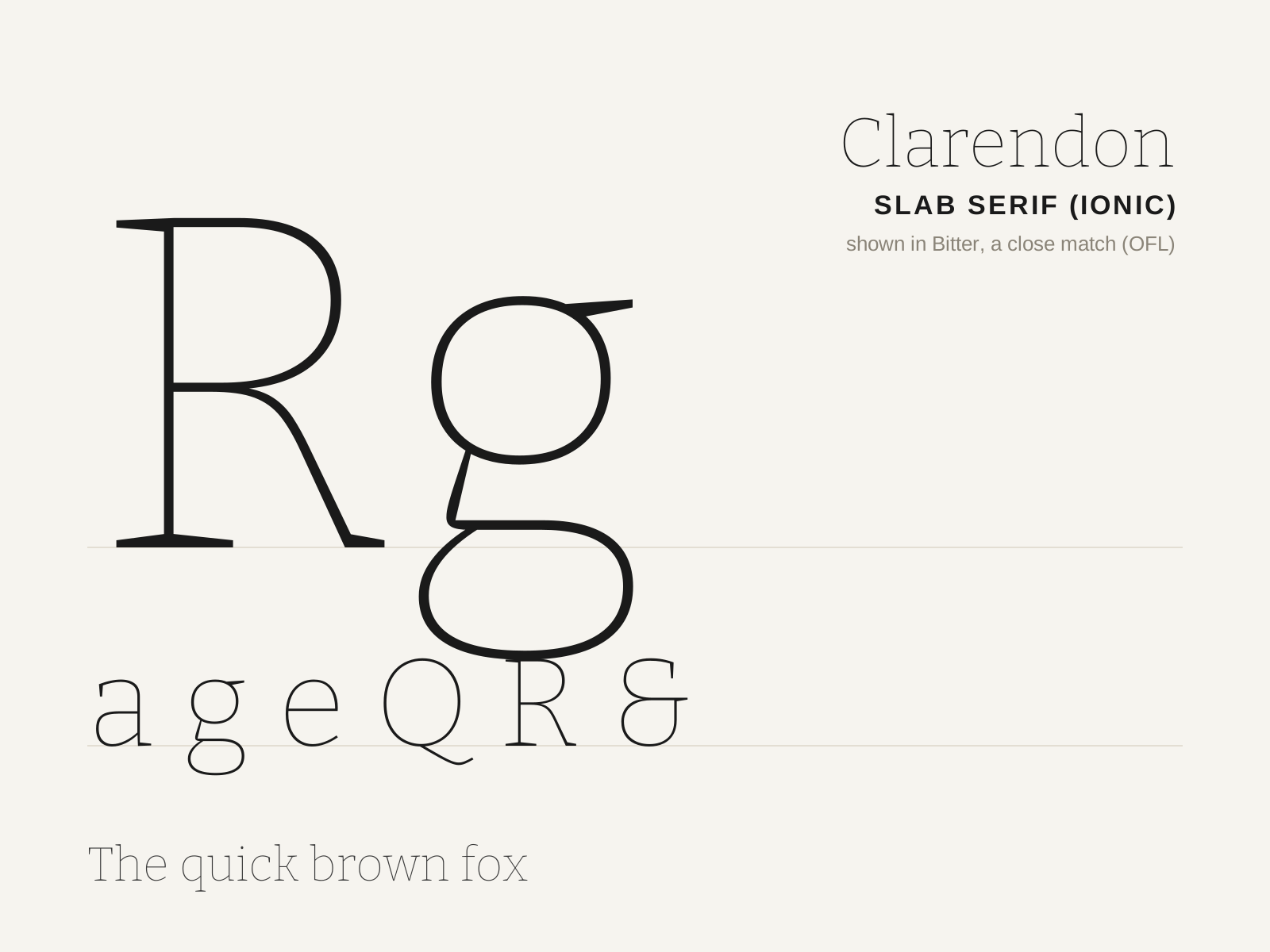
Clarendon
Robert Besley's 1845 bracketed slab serif — a sturdy, friendly 'Ionic' with curved brackets and ball terminals, designed to bold-face and emphasize text. The first registered typeface design.
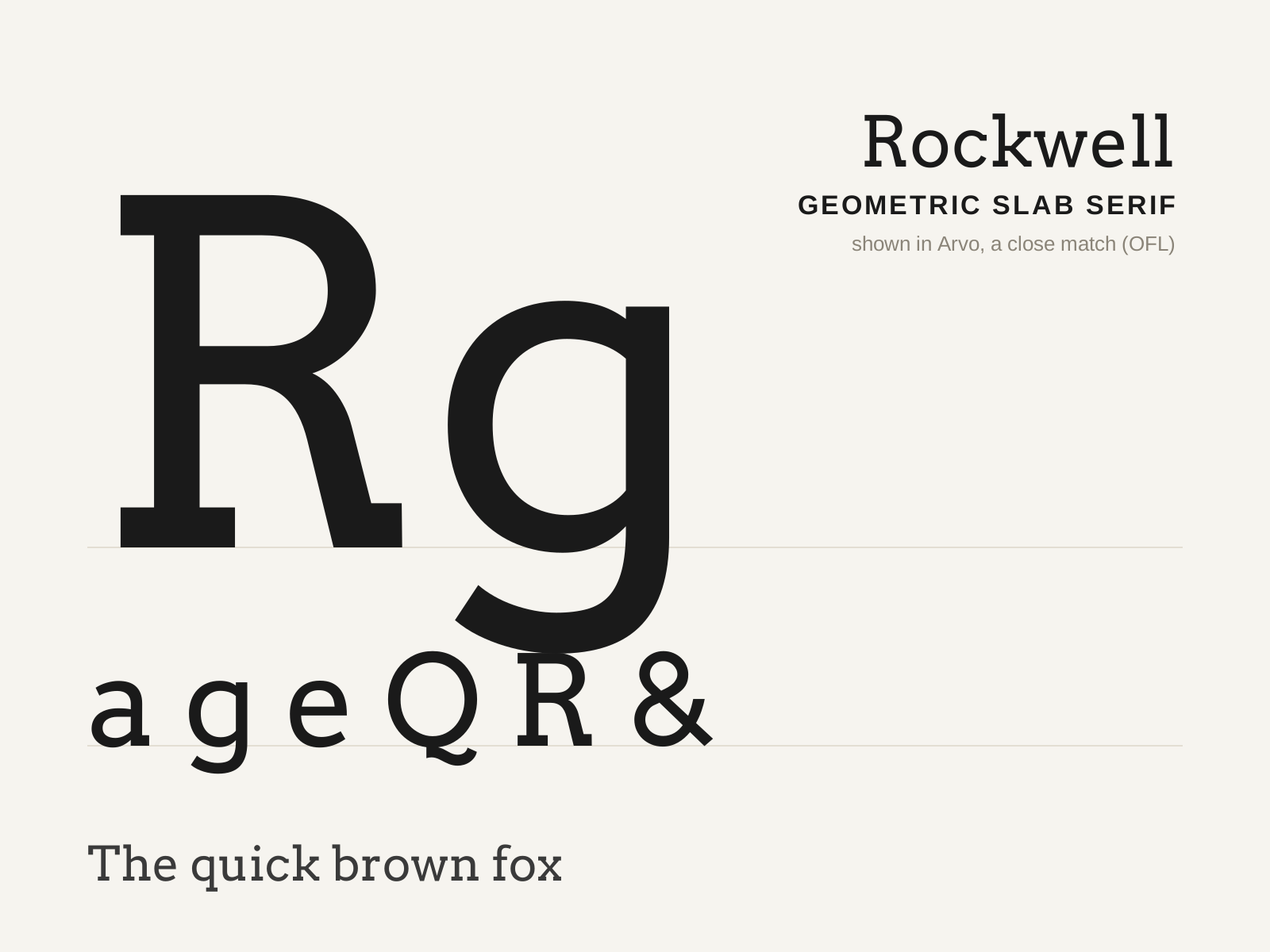
Rockwell
Monotype's 1934 geometric slab serif — blunt, unbracketed square serifs and near-monoline strokes built on circular, geometric forms. Bold, sturdy, and unmistakably mechanical.
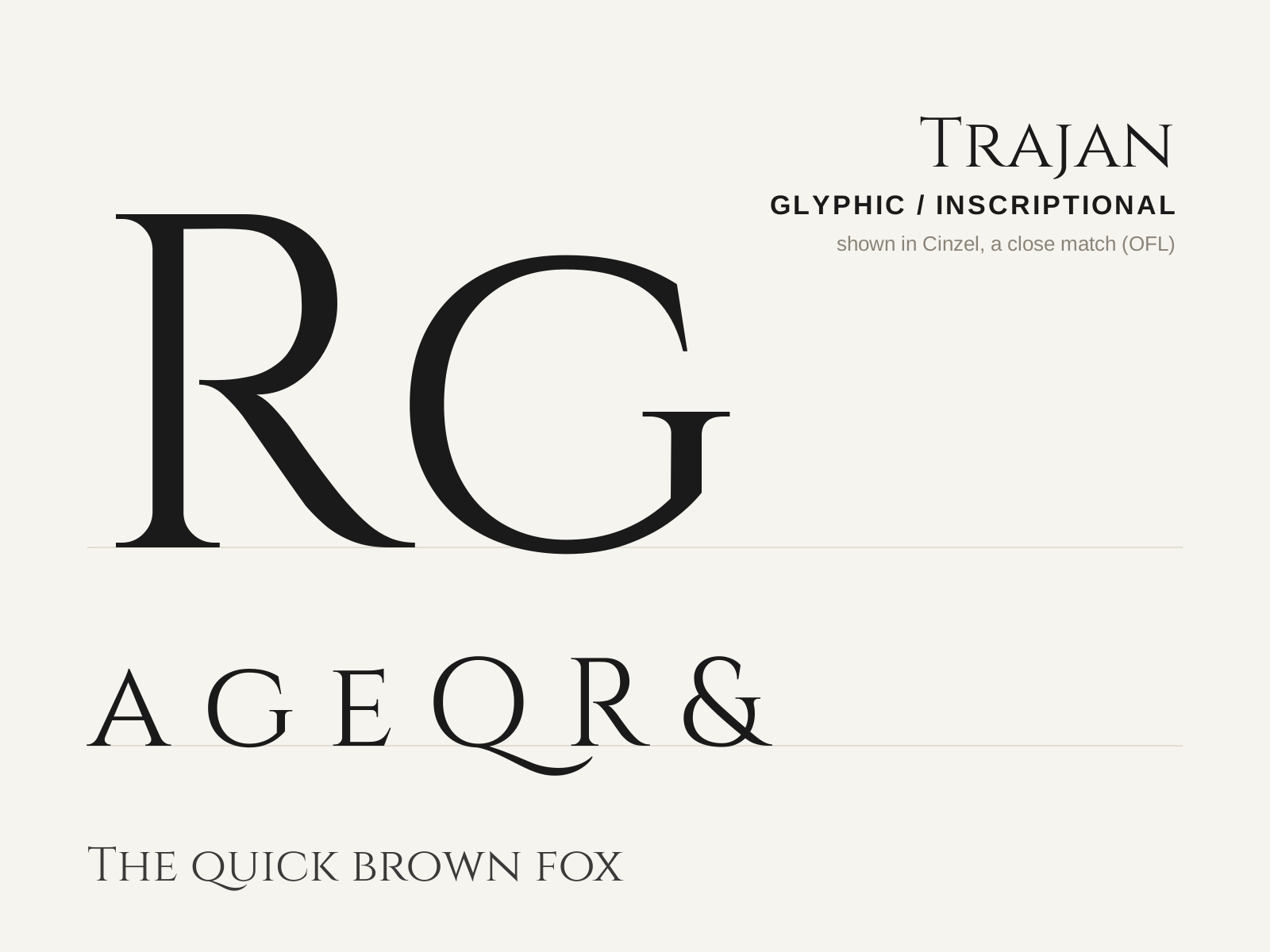
Trajan
Carol Twombly's 1989 all-capitals titling face, drawn after the Roman inscription at the base of Trajan's Column. Monumental, classical, and inescapable on film posters and book jackets.
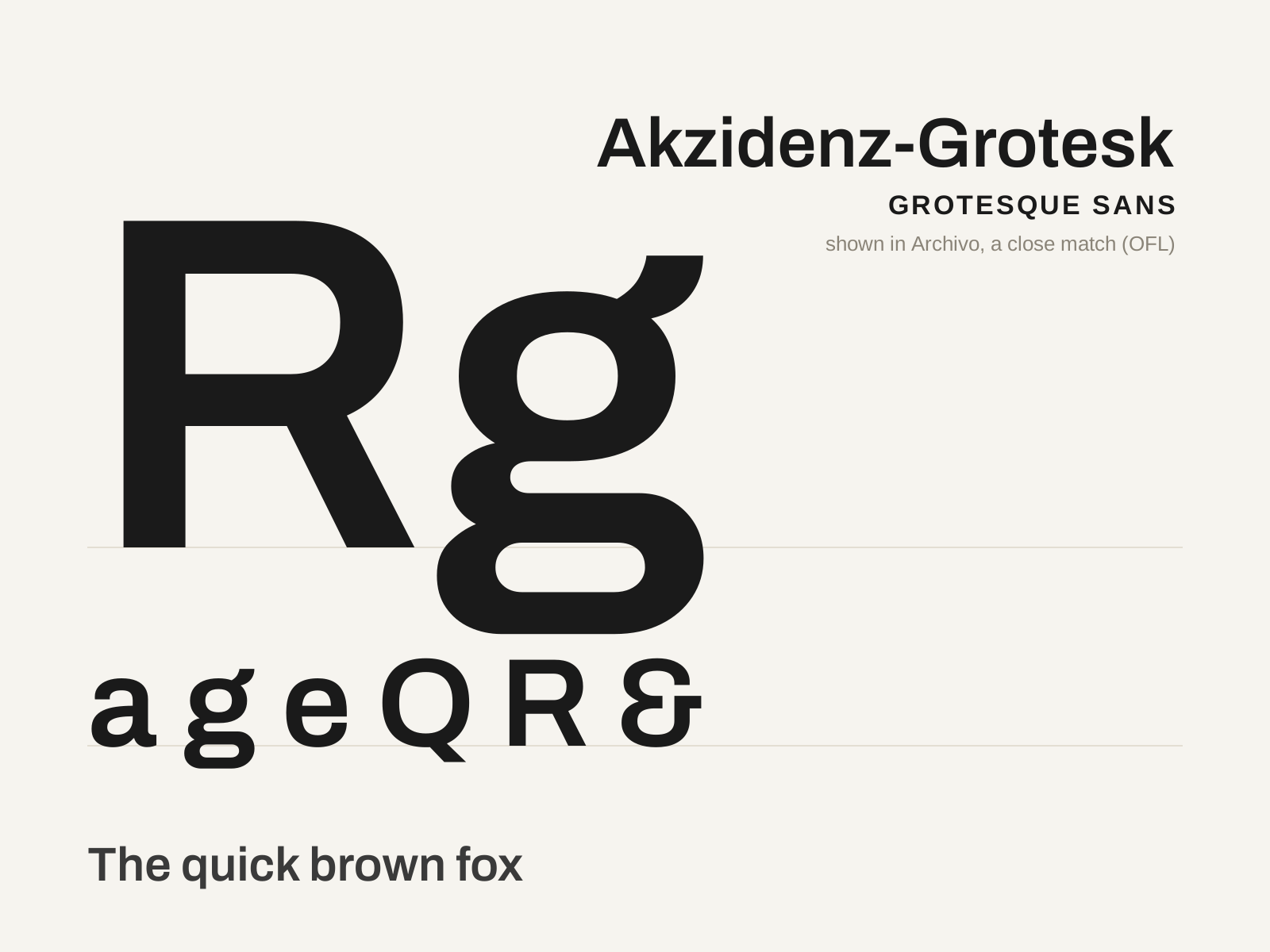
Akzidenz-Grotesk
Berthold's 1896 grotesque — the sober German jobbing sans that, half a century later, became the favored typeface of Swiss modernism and the direct ancestor of Helvetica and Univers.
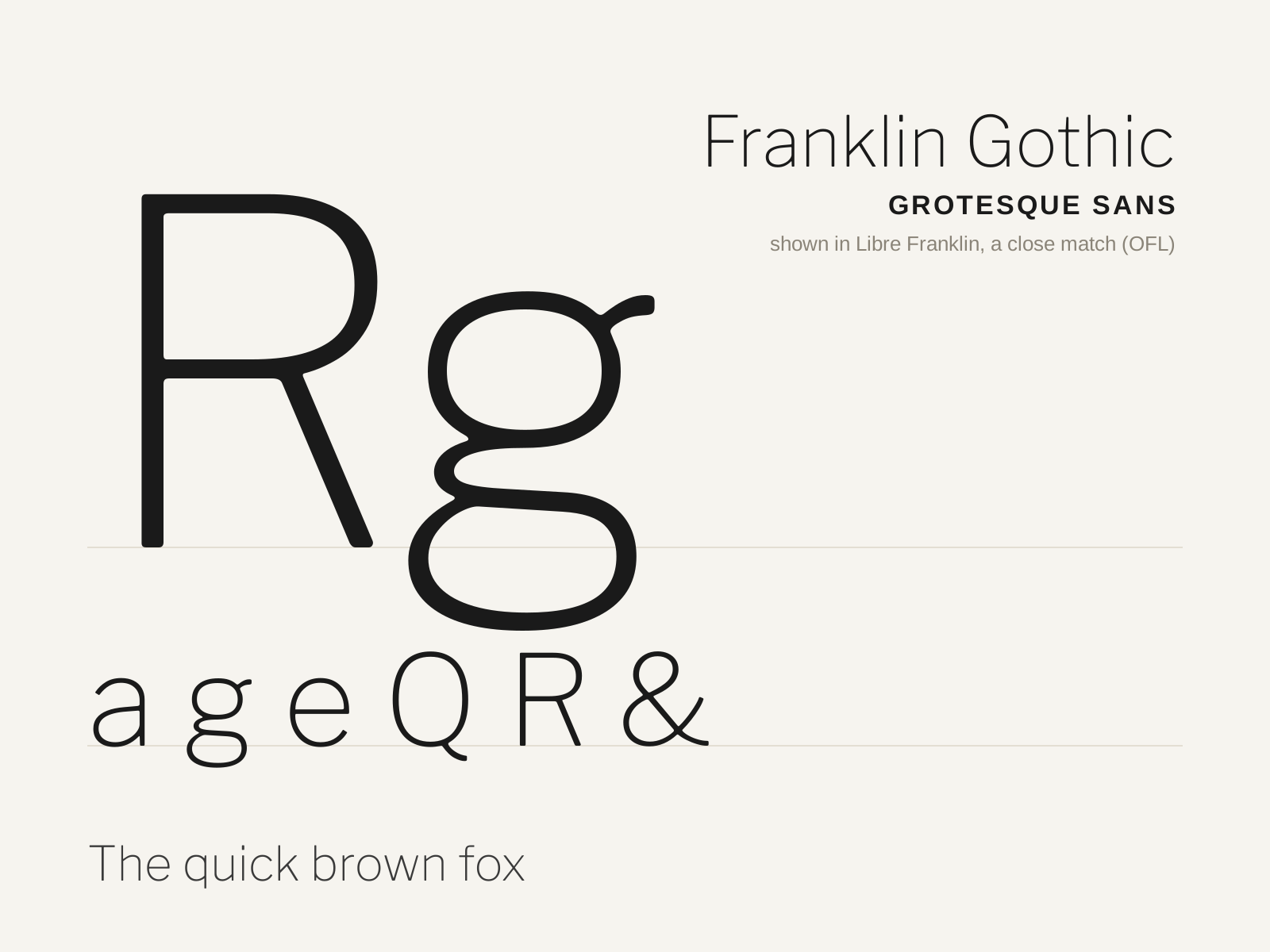
Franklin Gothic
Morris Fuller Benton's 1902 American grotesque — a bold, sturdy 'Gothic' that became the voice of newspaper headlines and advertising for a century. Muscular where the Swiss sans are cool.
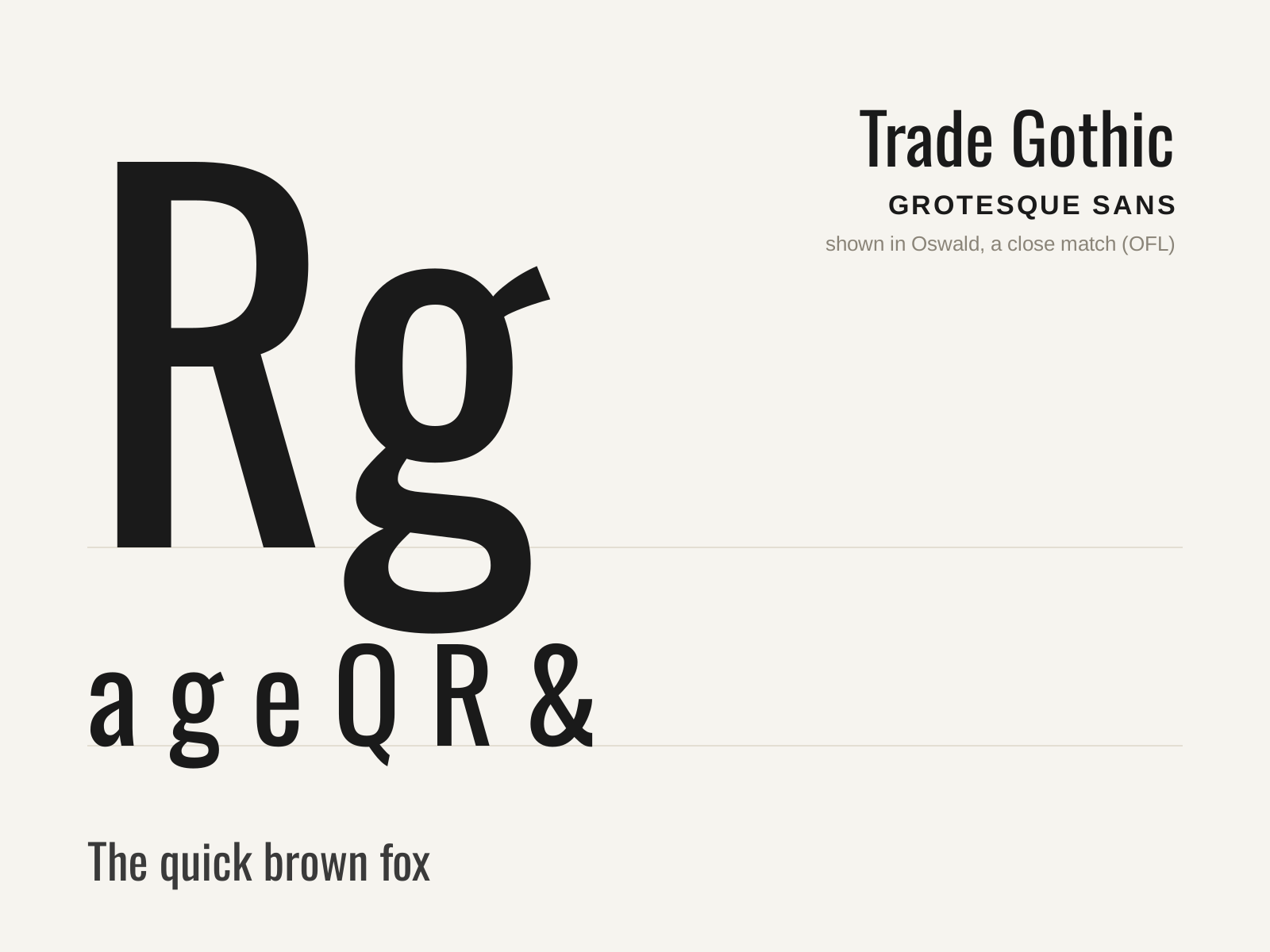
Trade Gothic
Jackson Burke's 1948 Linotype grotesque — a clean, slightly condensed American Gothic prized for newspaper and advertising work, especially its punchy Bold Condensed No. 20.
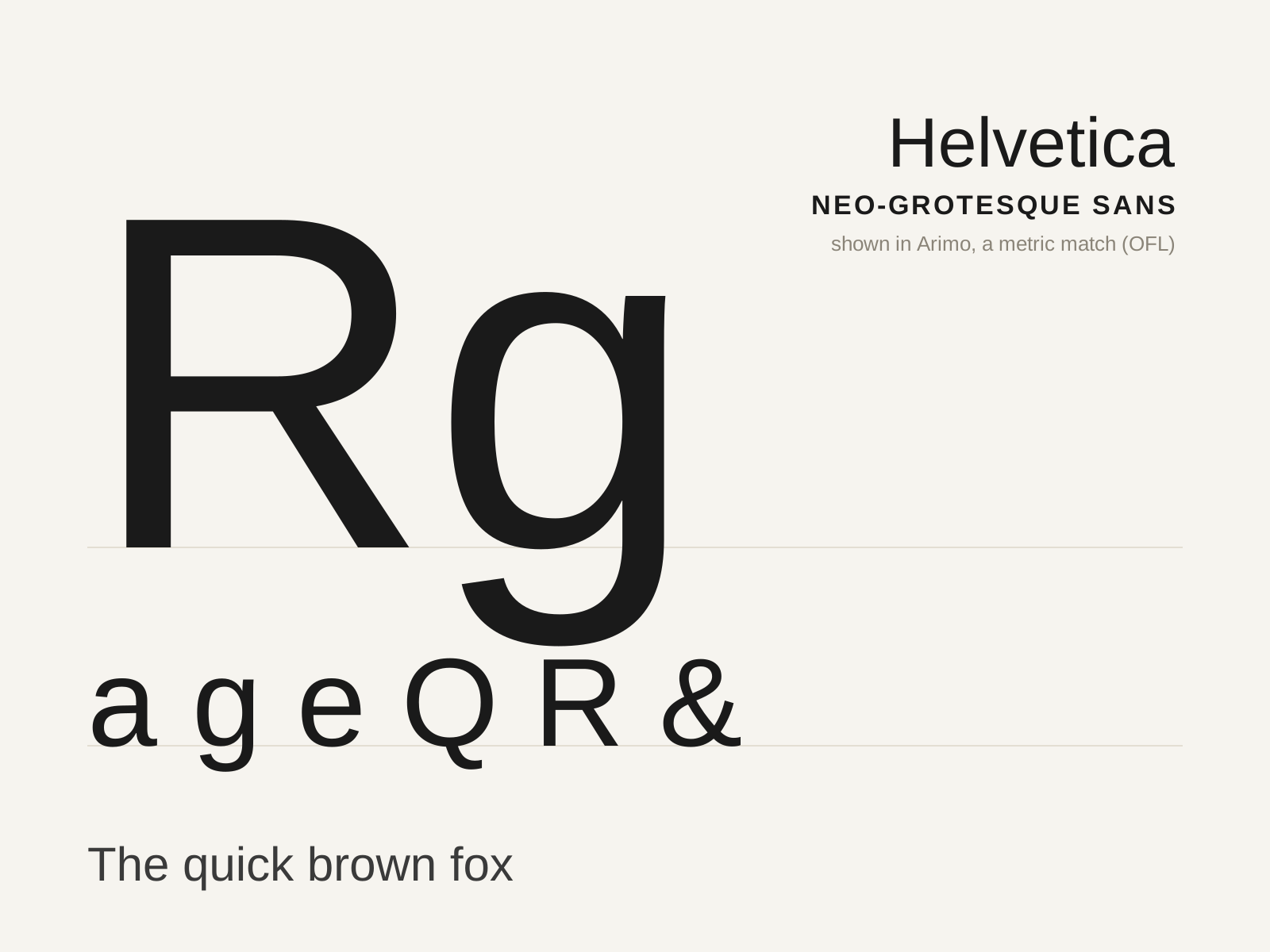
Helvetica
The defining neo-grotesque sans — Max Miedinger and Eduard Hoffmann's 1957 face engineered for neutral, even, almost invisible text, and the typographic voice of postwar corporate modernism.
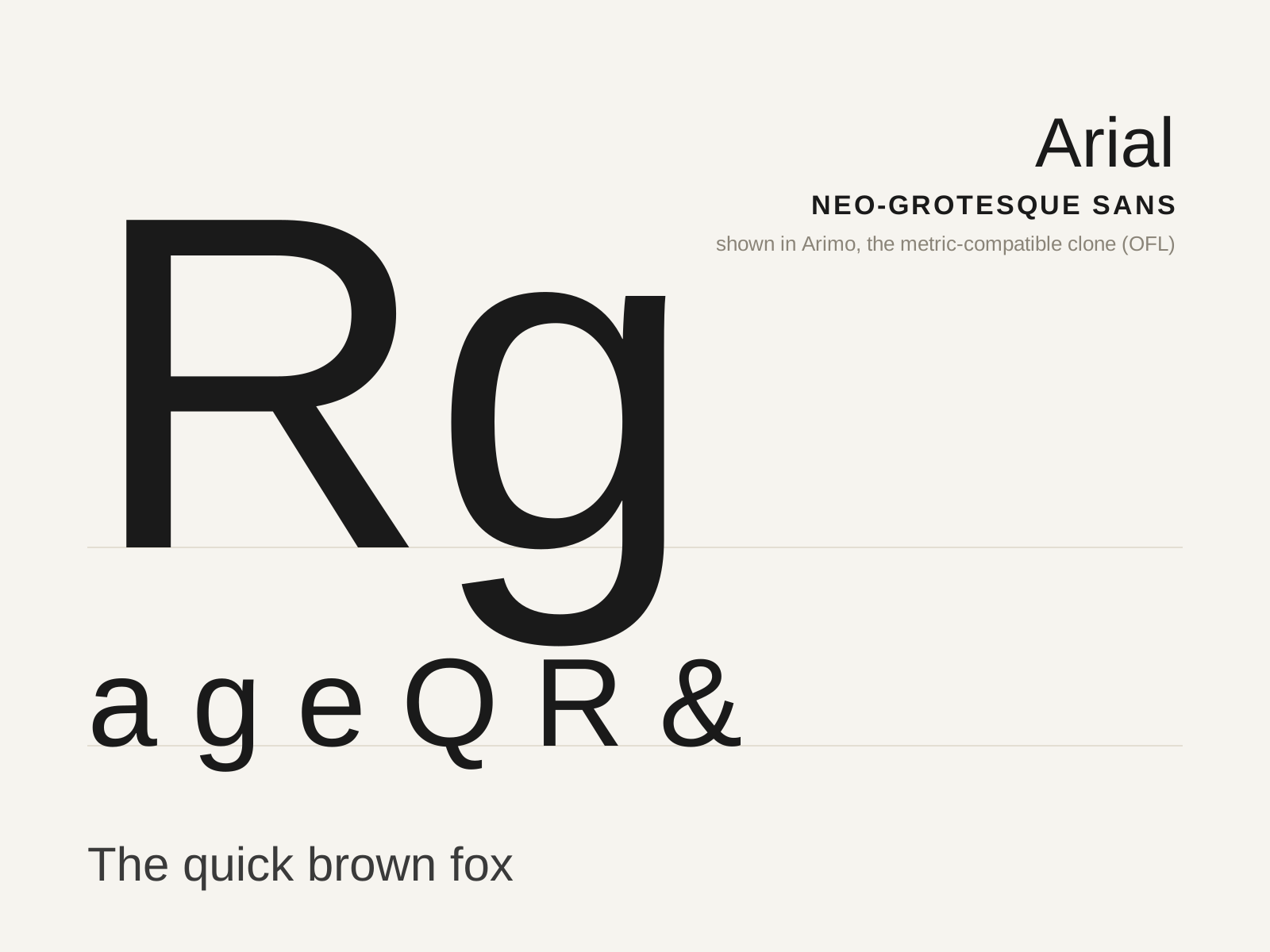
Arial
Monotype's 1982 metric-compatible substitute for Helvetica — drawn to occupy the exact same widths so it could swap in without reflowing text, and shipped on every Windows PC since. A neo-grotesque defined by what it imitates.
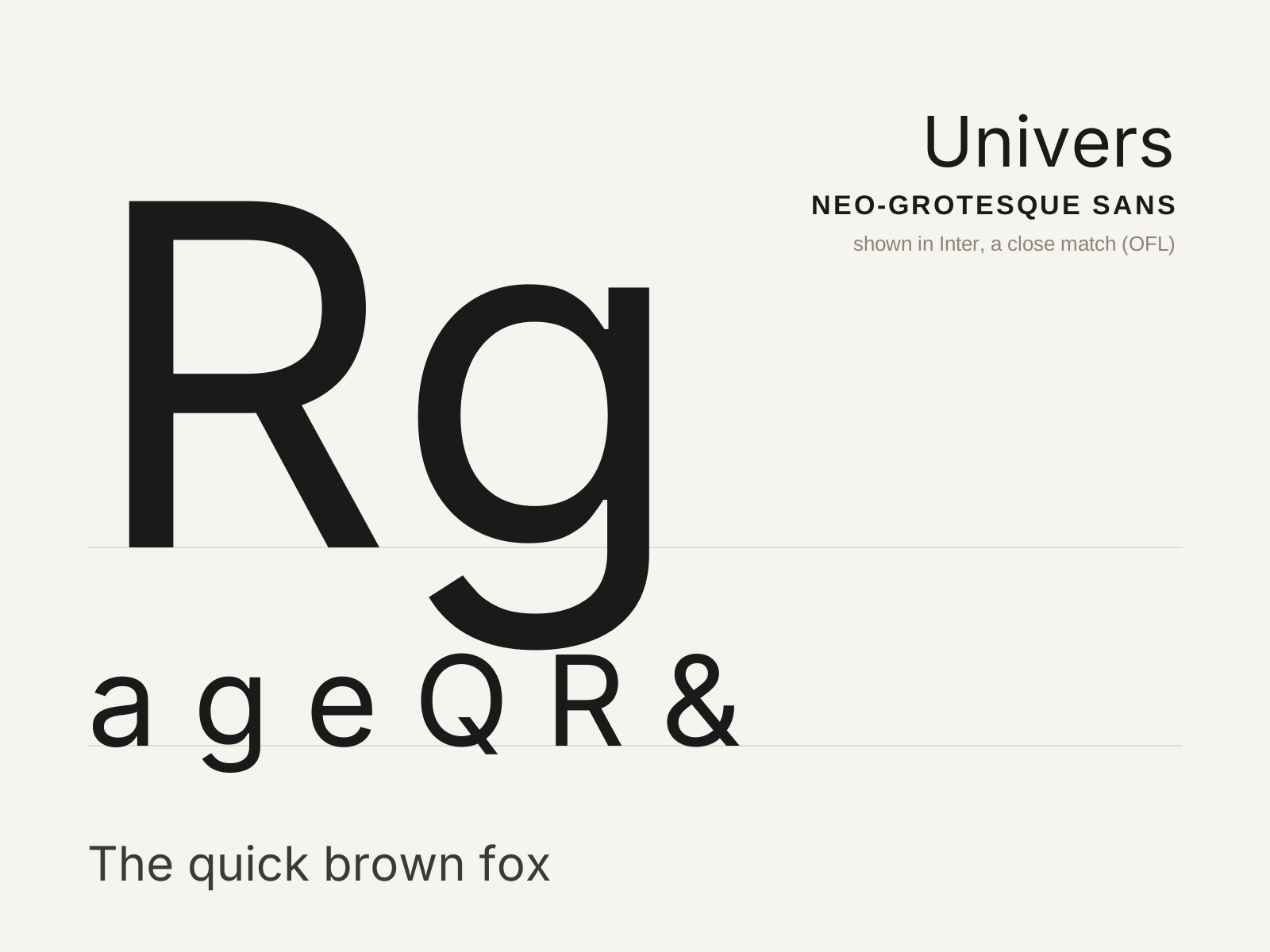
Univers
Adrian Frutiger's 1957 neo-grotesque — the first type family conceived as a rational, numbered system of 21 coordinated weights and widths, a masterpiece of Swiss order released the same year as Helvetica.
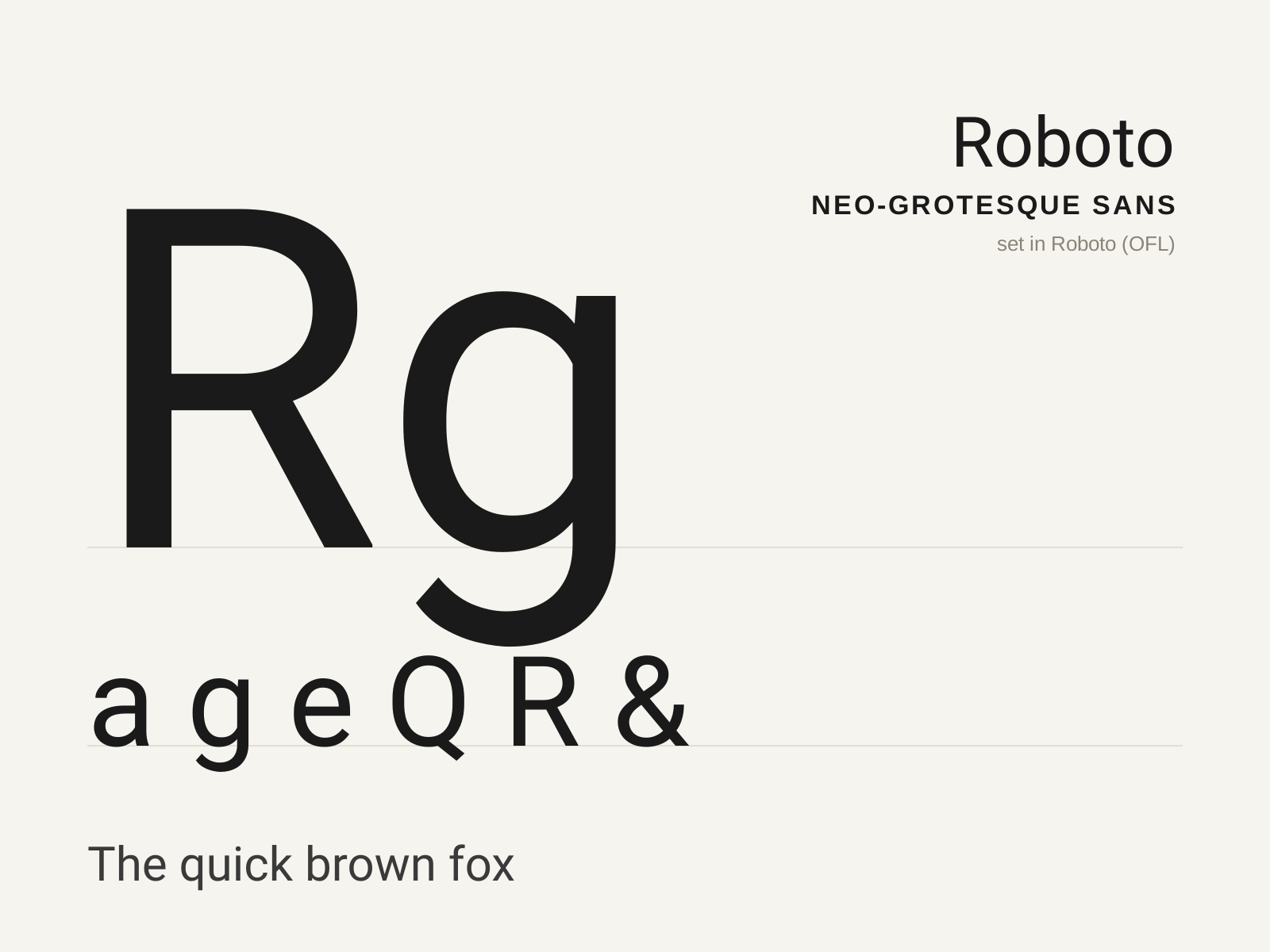
Roboto
Christian Robertson's 2011 typeface for Google's Android — a neo-grotesque skeleton loosened with humanist touches, engineered for screens and dubbed at launch a 'frankenfont' for its hybrid DNA.
Futura
Paul Renner's 1927 geometric sans — letterforms built from near-perfect circles, triangles, and straight lines, the Bauhaus ideal of rational, modern type made commercial.
ITC Avant Garde Gothic
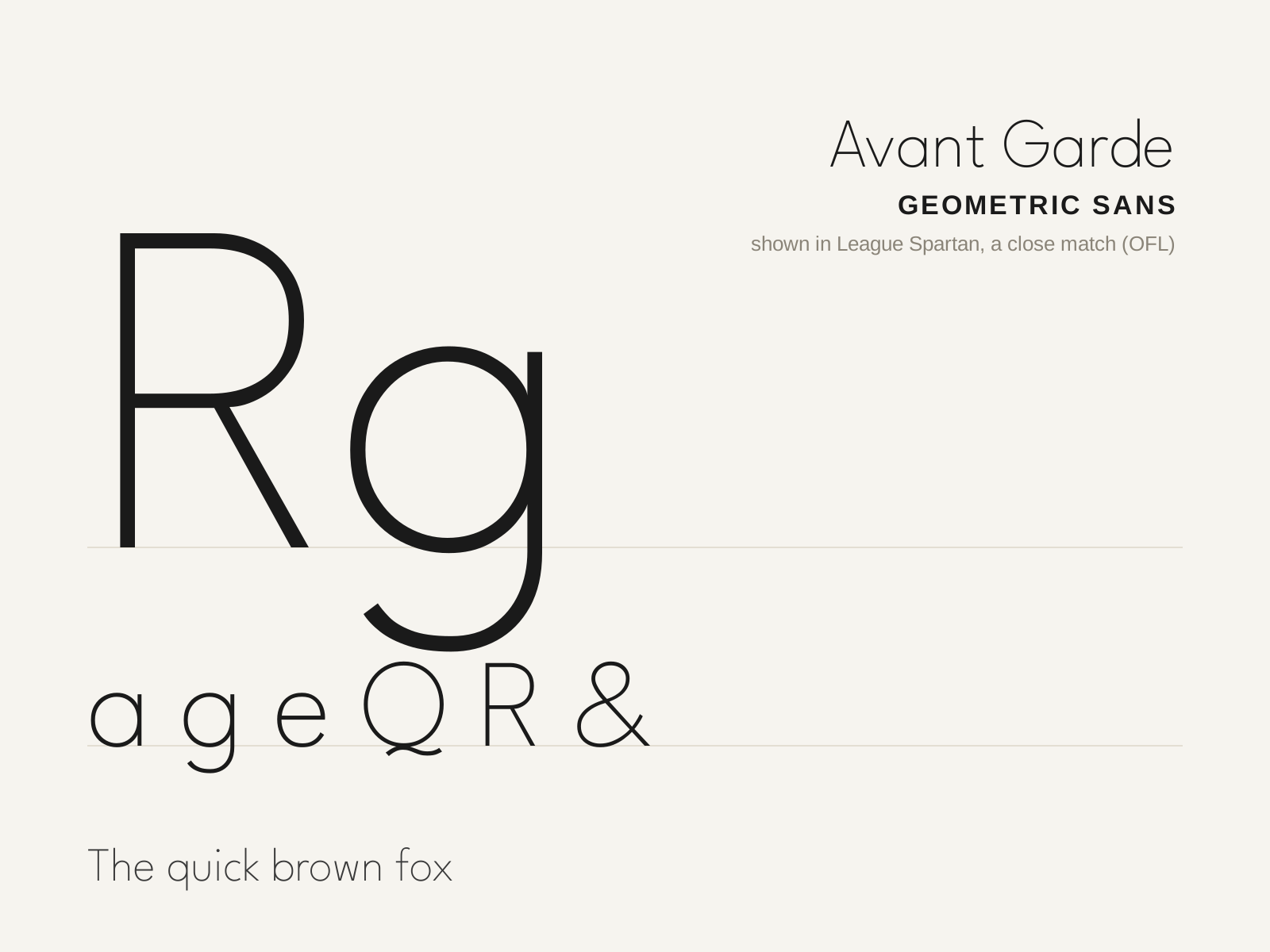
Herb Lubalin's 1970 geometric sans, grown from his logotype for Avant Garde magazine — famous (and infamous) for its tightly interlocking ligatures and crisp circular forms. The quintessential look of 1970s graphic design.
Century Gothic
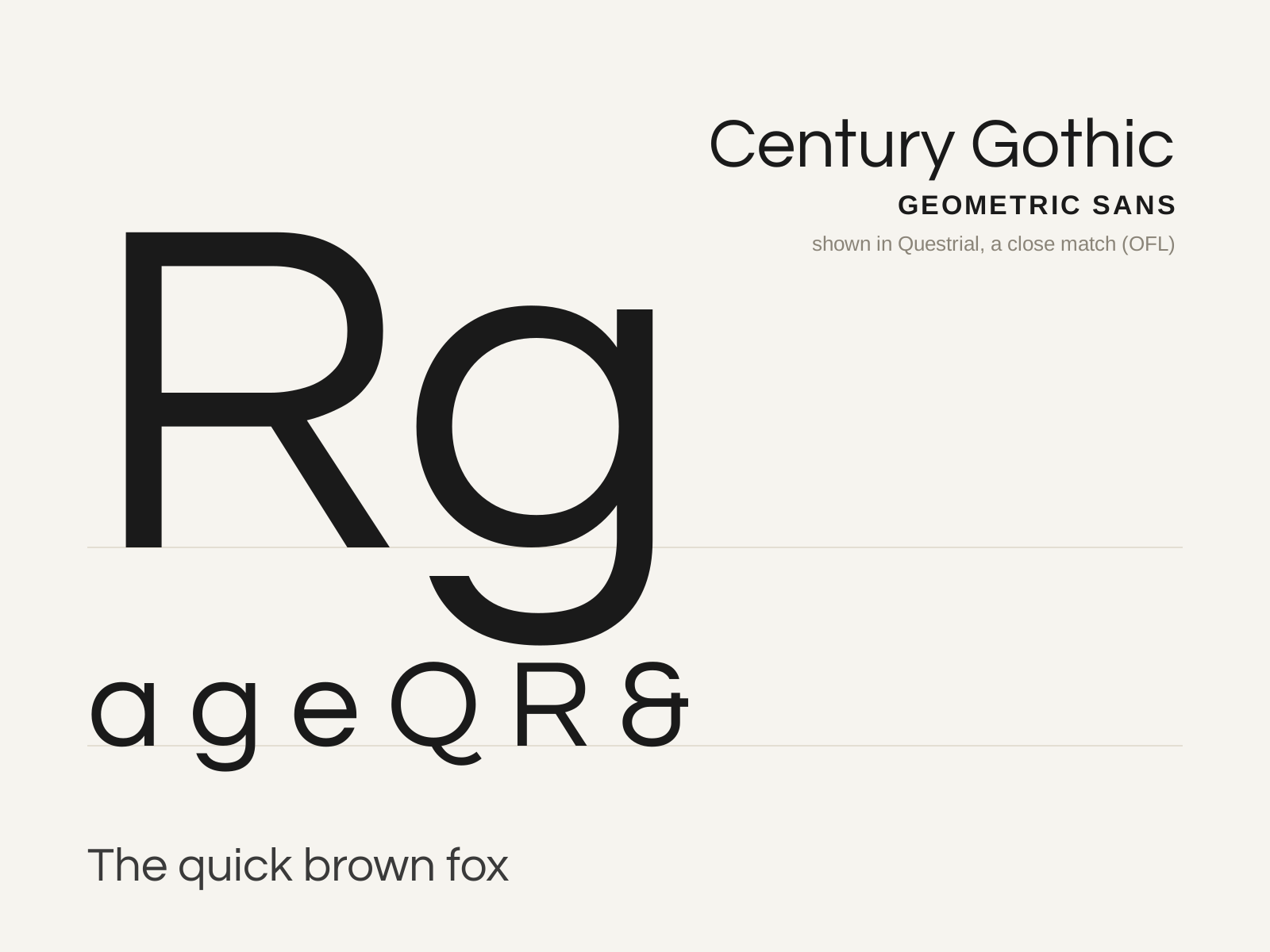
Monotype's 1991 geometric sans — a digital, slightly wide-set face in the Futura tradition, drawn to compete with ITC Avant Garde and bundled with Microsoft systems. Clean, circular, and notoriously ink-hungry.
Gill Sans
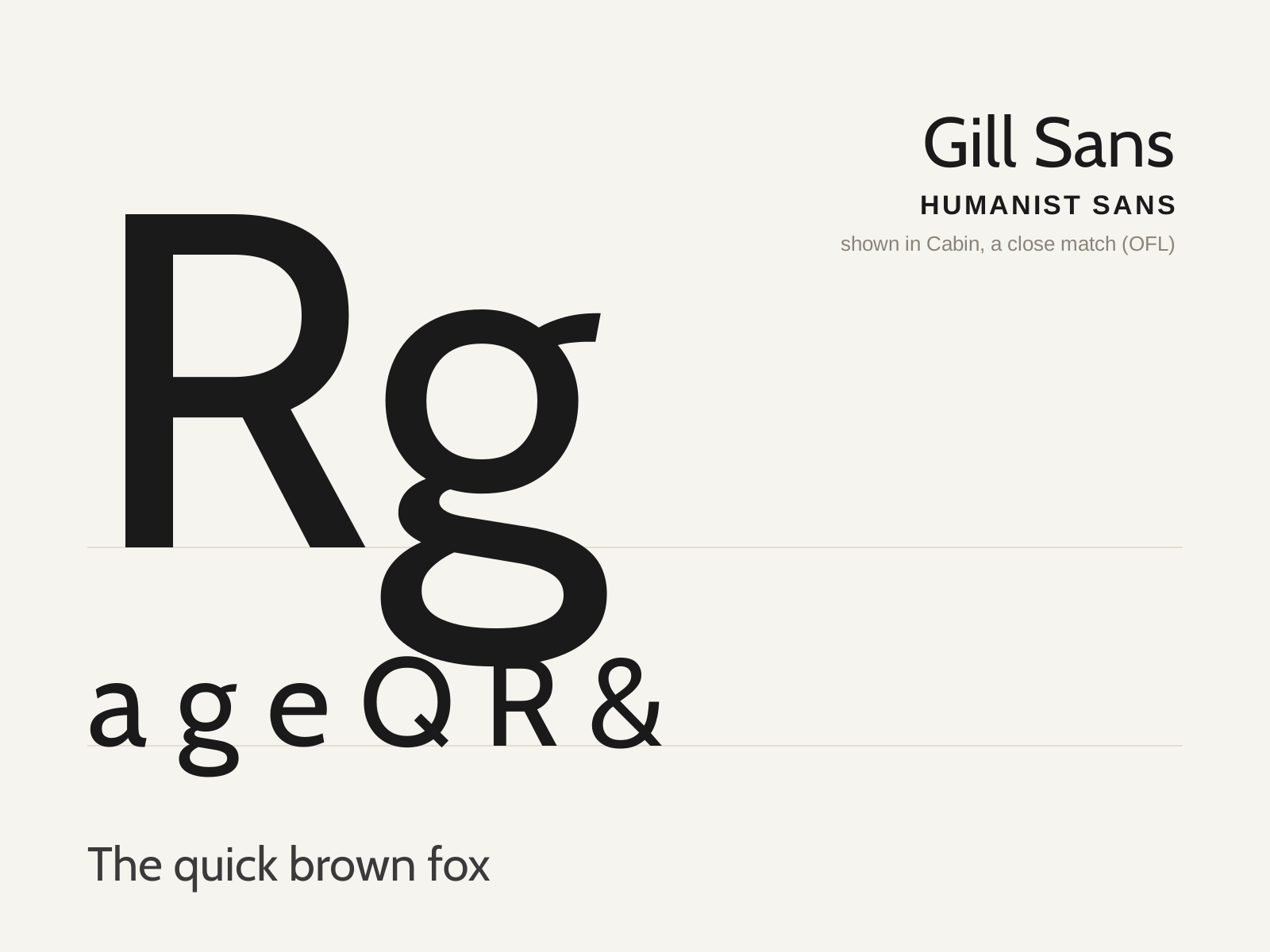
Eric Gill's 1928 humanist sans for Monotype — built on classical Roman proportions and his teacher Johnston's Underground type, it became the quintessentially British sans of railways, Penguin books, and the BBC.
Frutiger
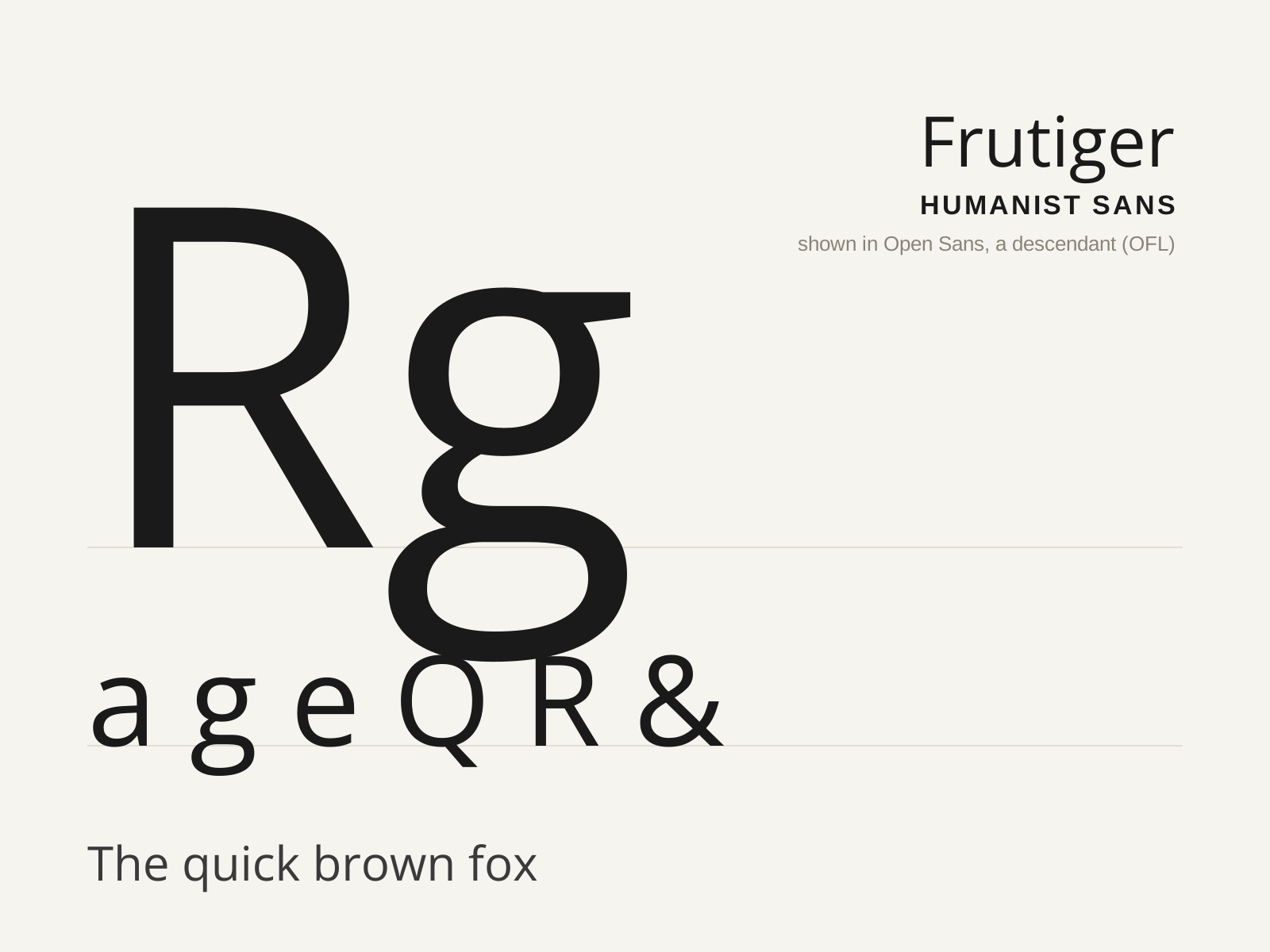
Adrian Frutiger's 1976 humanist sans, drawn for the signage of Charles de Gaulle Airport — engineered for instant legibility at speed and distance, and the model for a generation of wayfinding type.
Verdana
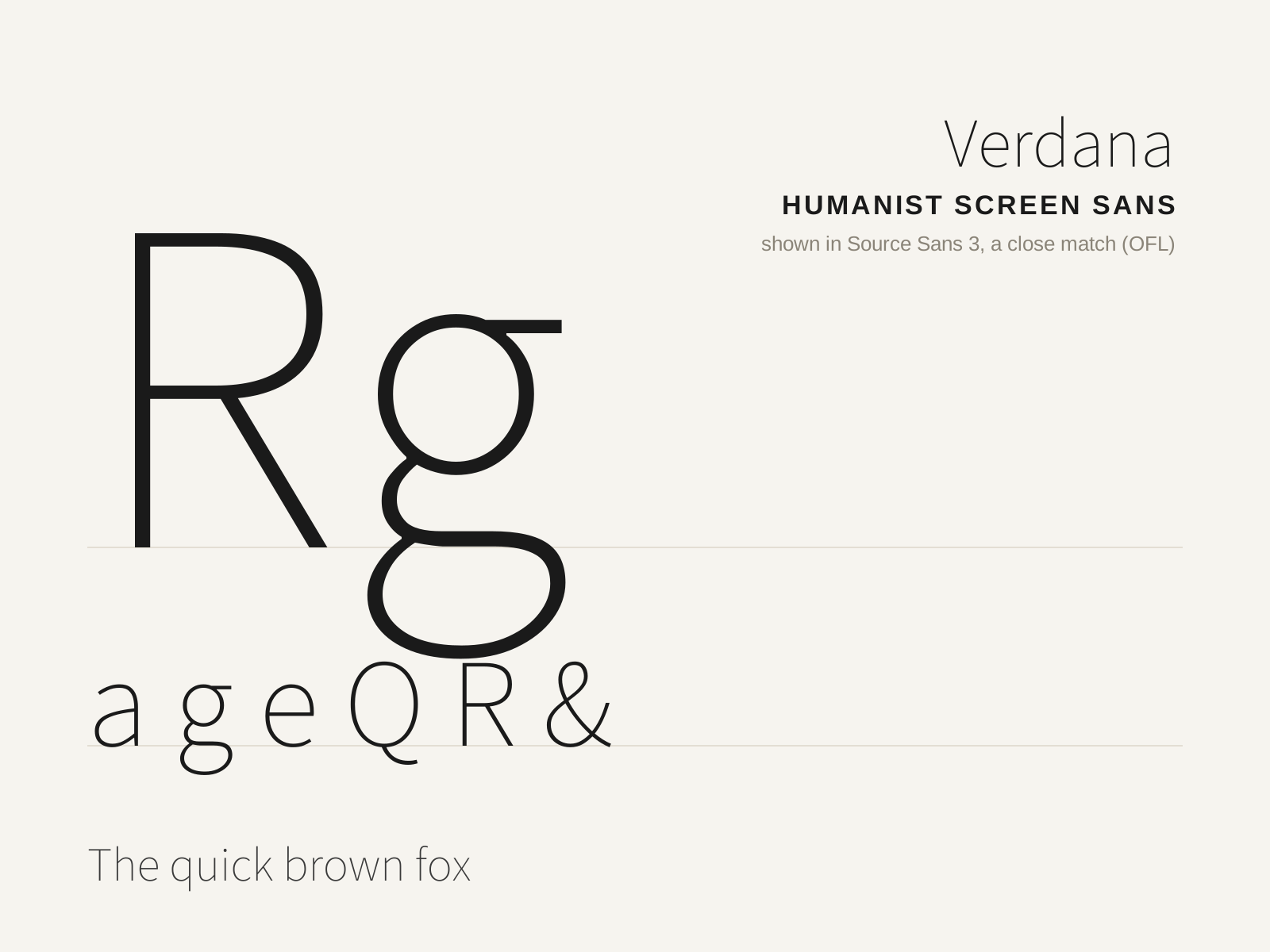
Matthew Carter's 1996 humanist sans, engineered pixel-by-pixel for Microsoft to stay legible at tiny sizes on low-resolution screens — generously wide, loosely spaced, and built for the early Web.
Myriad
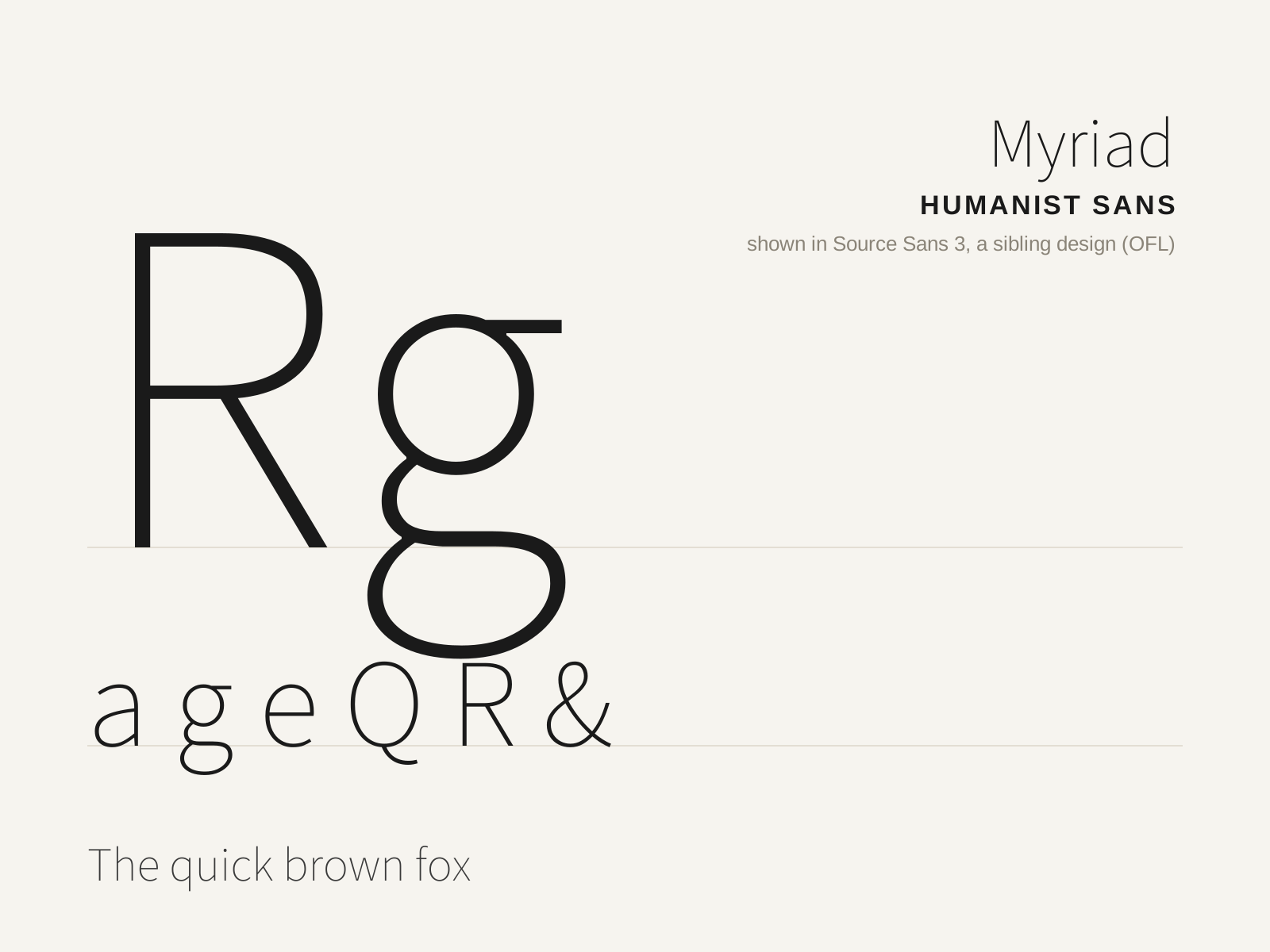
Robert Slimbach and Carol Twombly's 1992 humanist sans for Adobe — a clean, warm, highly adaptable face best known as Apple's corporate typeface from 2002 to 2015.
Lato
Łukasz Dziedzic's 2010 humanist sans — originally a corporate commission turned open-source, it became one of the most-served typefaces on the web through Google Fonts. Warm, semi-rounded, and quietly professional.
Fraktur
The quintessential German blackletter, a broken script whose name comes from the Latin for 'fractured' — its curves literally broken into angular strokes. For four centuries it was simply how German was printed.
Brush Script
An informal connected script that imitates quick, confident strokes of a paint or ink brush, full of swelling weight and a relaxed bounce. The 1942 ATF original defined the casual, hand-lettered look of mid-century advertising.
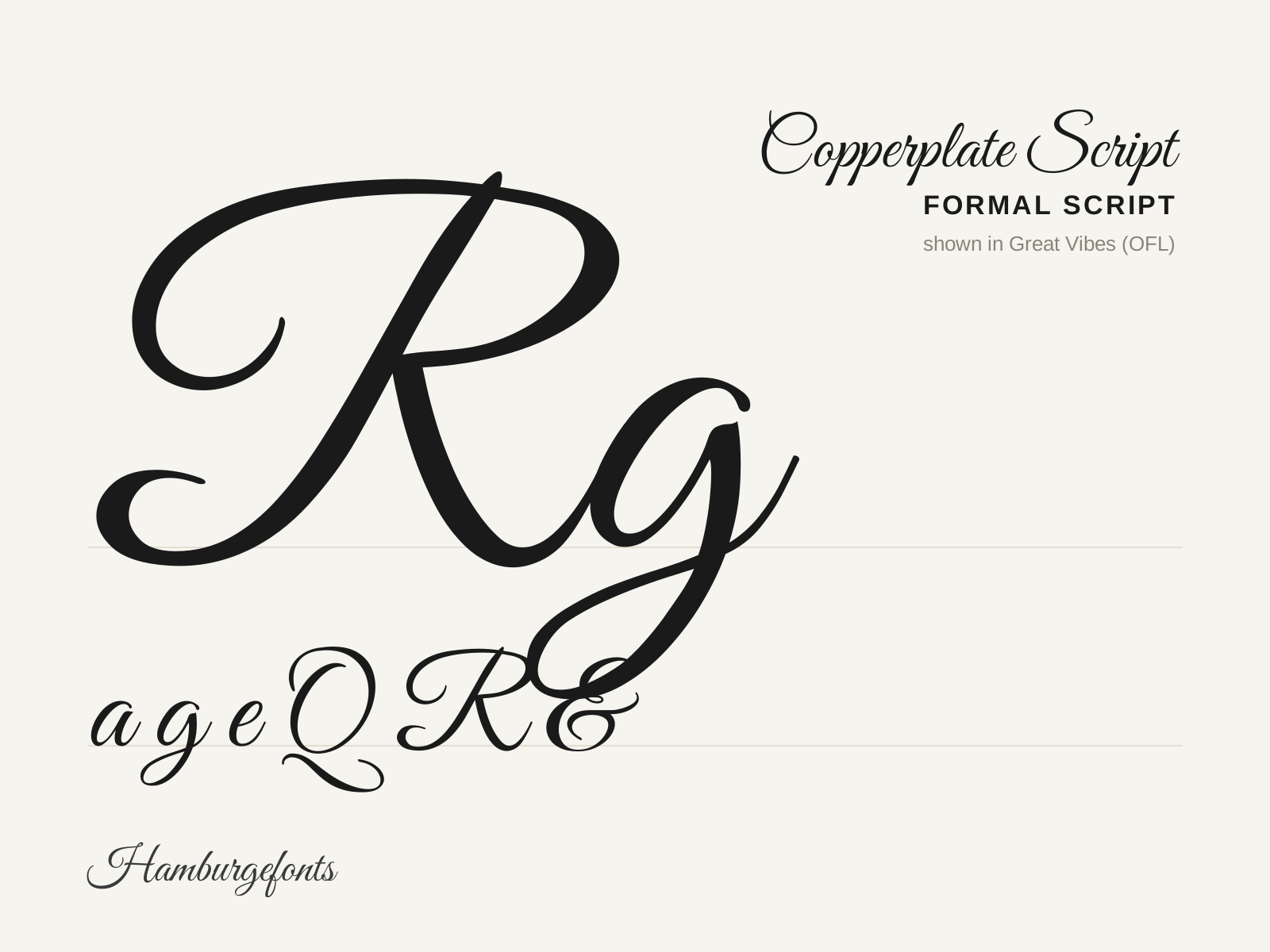
Copperplate Script
The high-contrast formal script of pointed-pen penmanship and copperplate engraving, with hairline-thin connectors swelling into bold downstrokes and grand swash capitals. The language of wedding invitations, diplomas, and luxury.
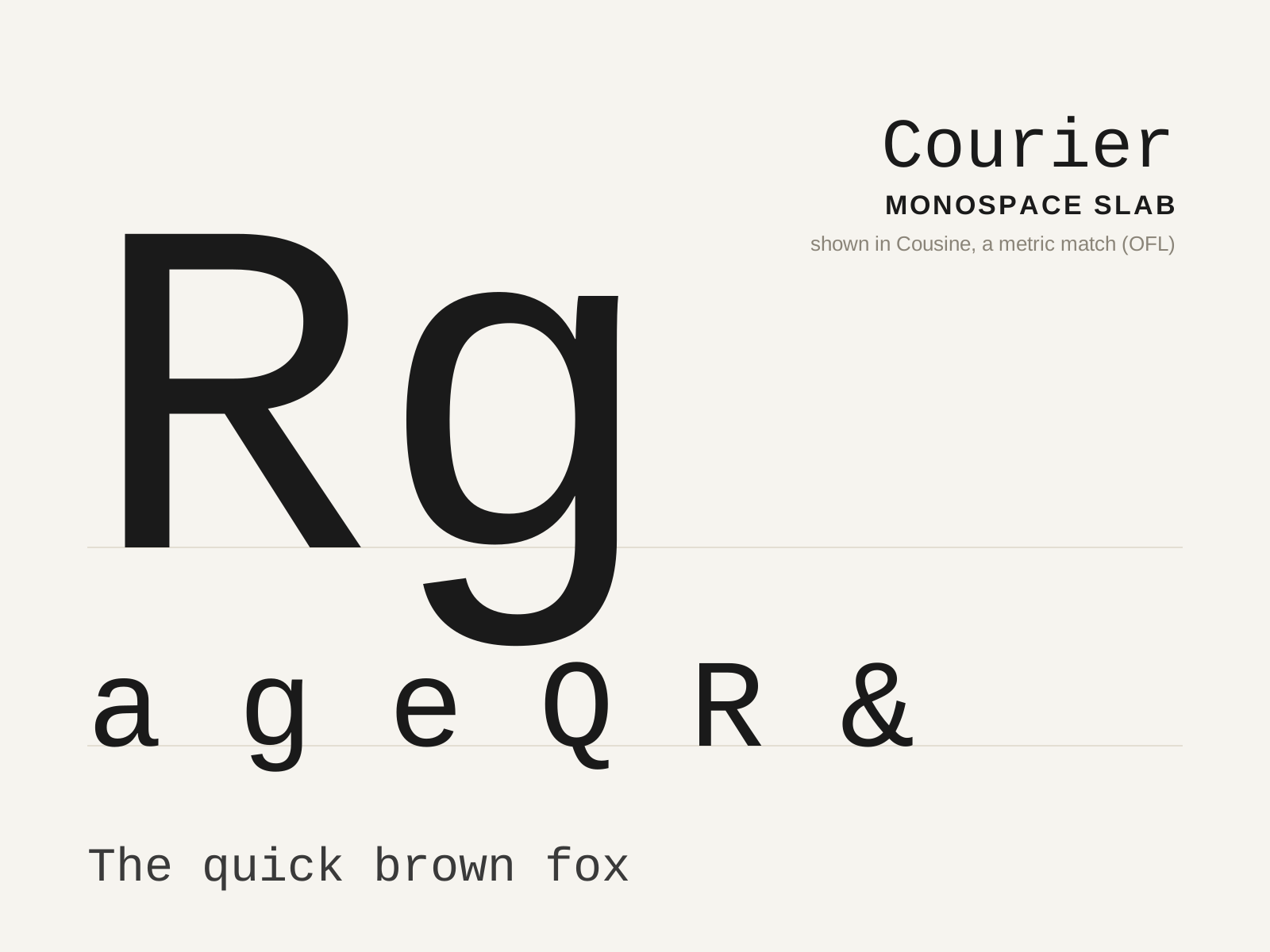
Courier
The slab-serifed monospace designed for IBM typewriters in 1955, so ubiquitous it became the visual default of the typewritten page — and, by industry decree, of the screenplay. Every glyph marches at the same fixed width.
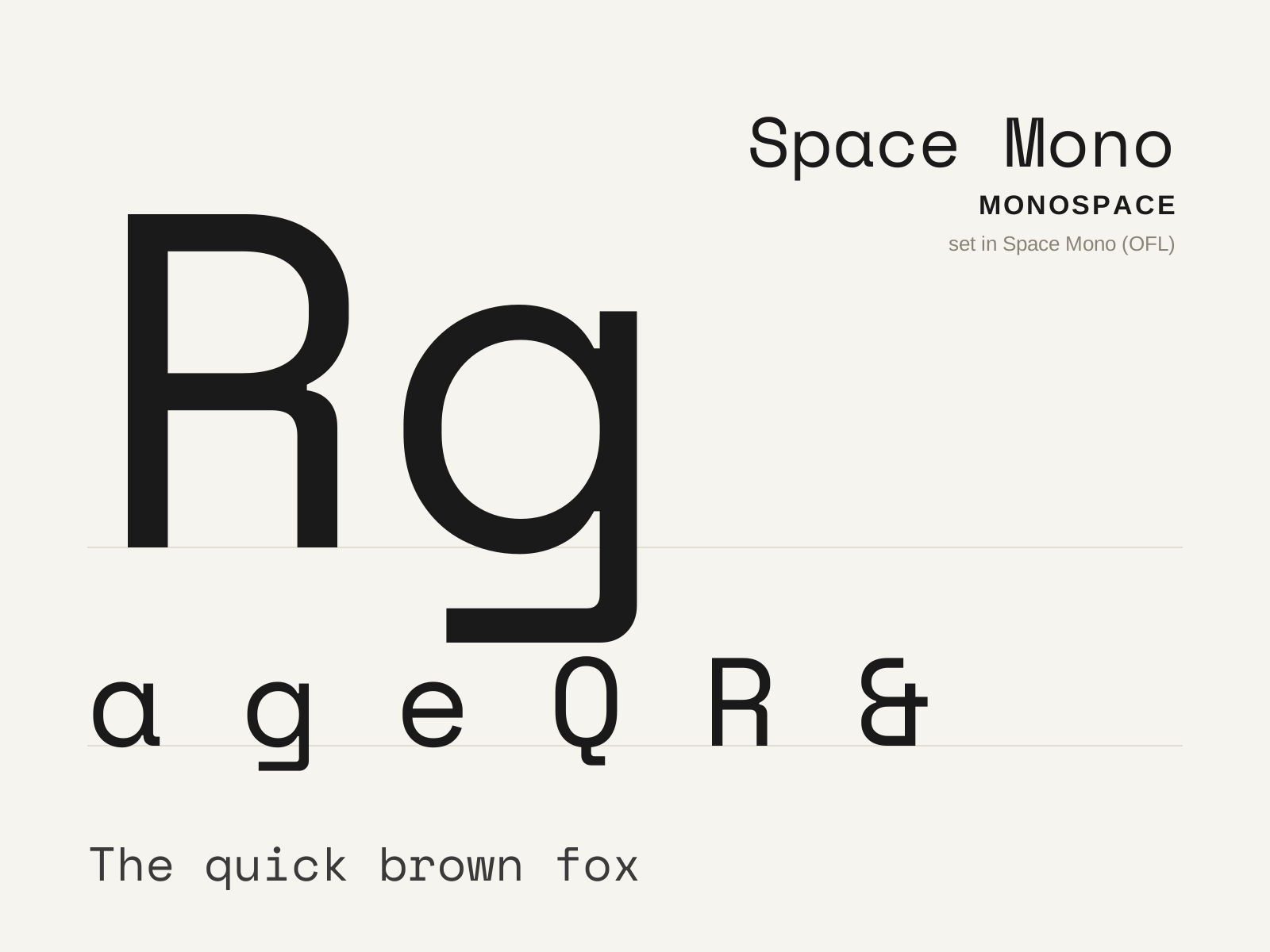
Space Mono
A fixed-width display monospace from Colophon Foundry, blending mid-century sci-fi quirk with a retro-futurist swagger. Distinctive ball terminals and angular details give the rigid grid an unmistakable personality.
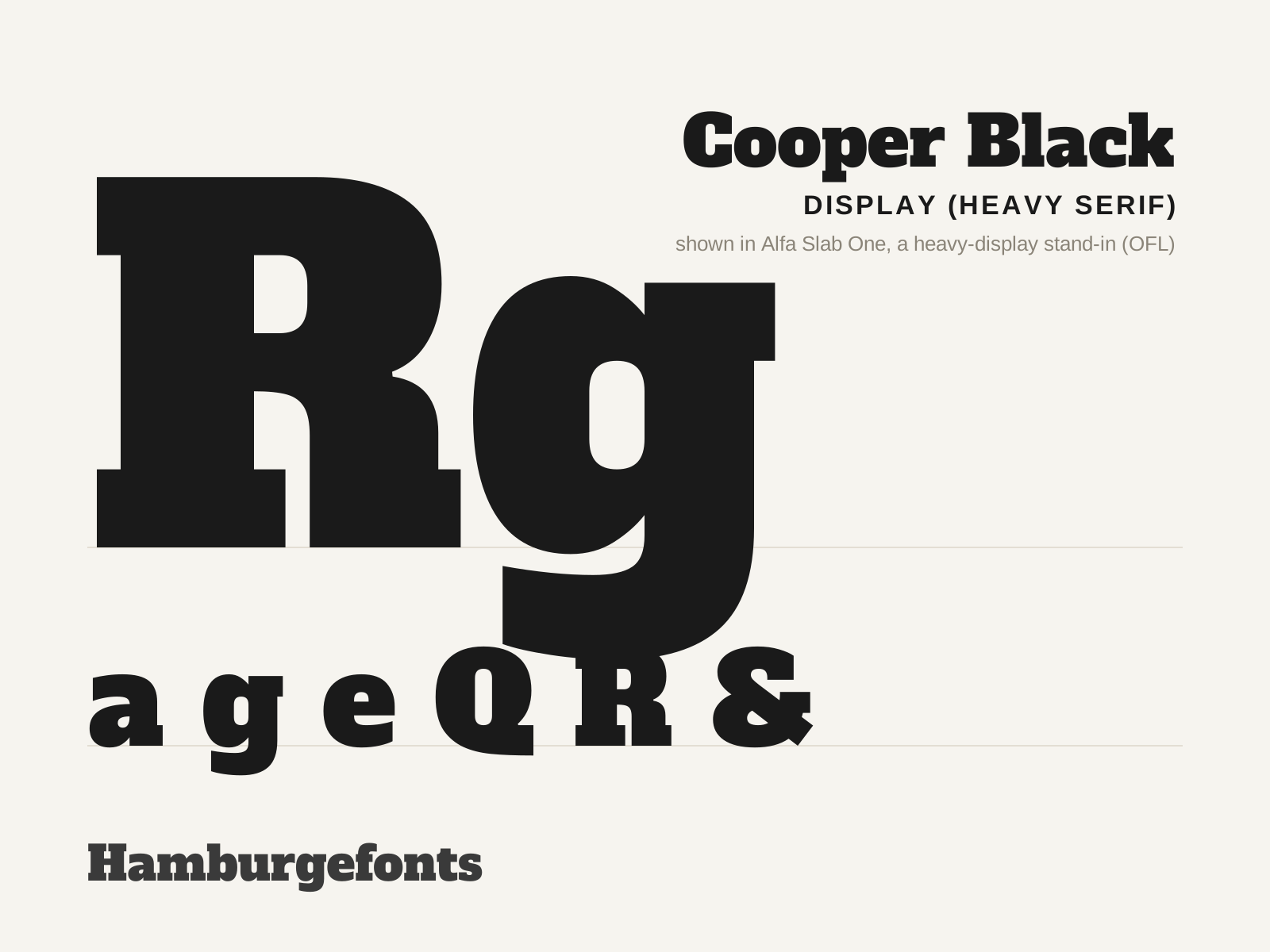
Cooper Black
An ultra-heavy soft-serif display face from 1922, all rounded bulges and softly blurred terminals, as if its letters were drawn with a fat marker. The cuddly heavyweight of countless logos and album covers.
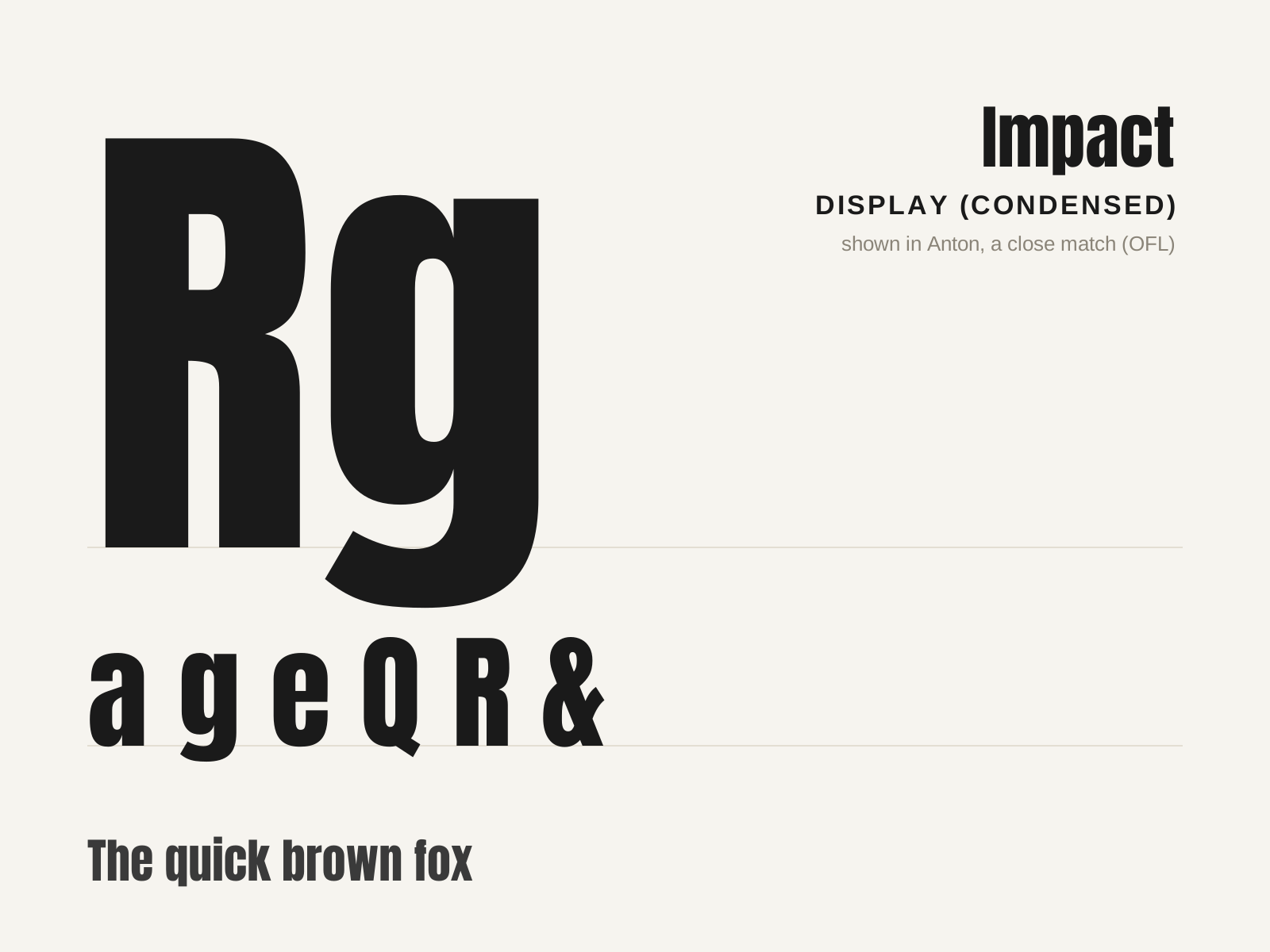
Impact
A heavy, extremely condensed sans-serif from 1965, engineered to cram maximum black weight into minimum width for headlines that shout. The internet's default meme caption font.
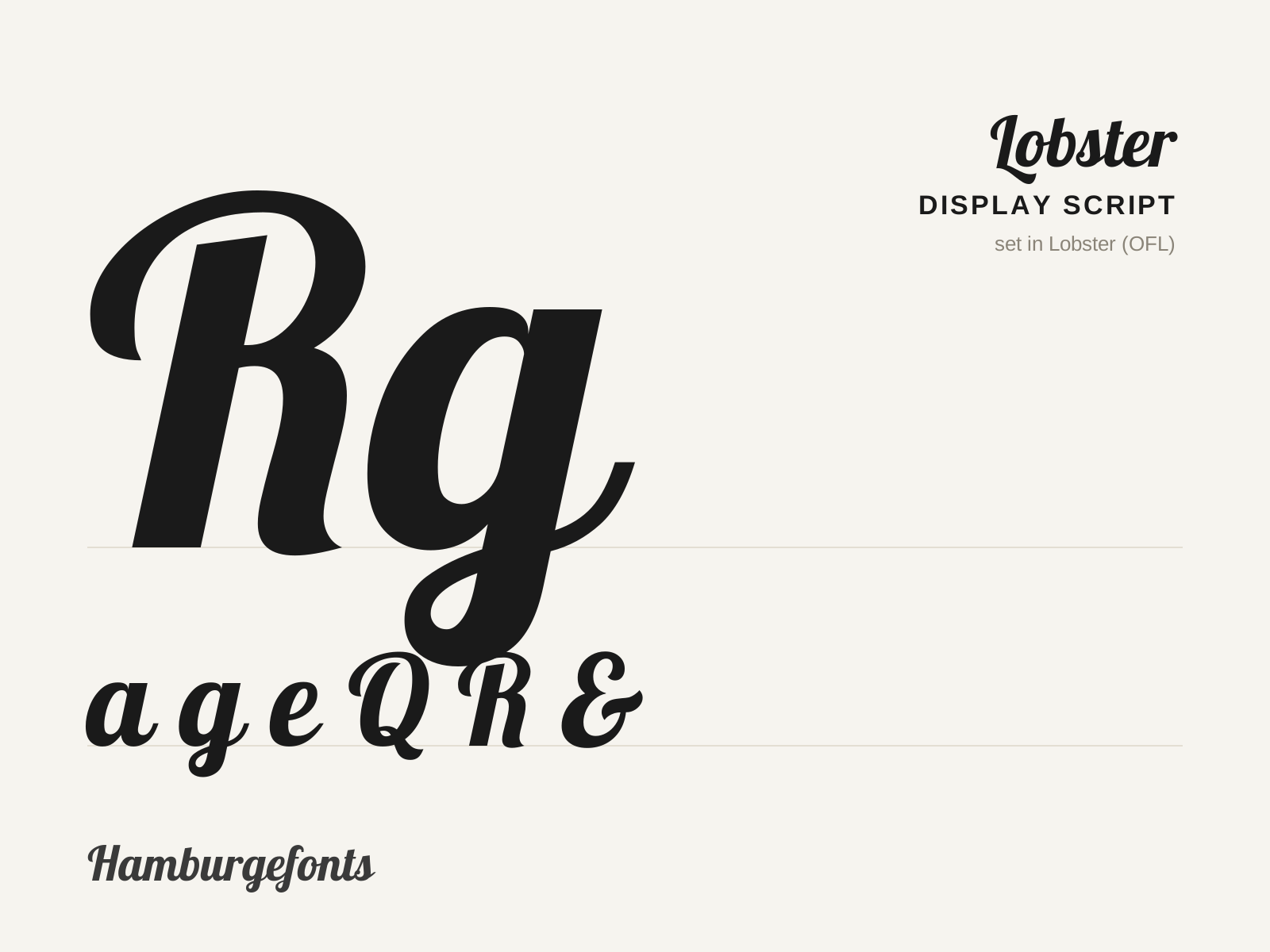
Lobster
A bold, connected display script from 2010 with retro signpainting flair, packed with contextual ligatures and alternates that mimic genuine hand-lettering. A free Google Font that became inescapable.
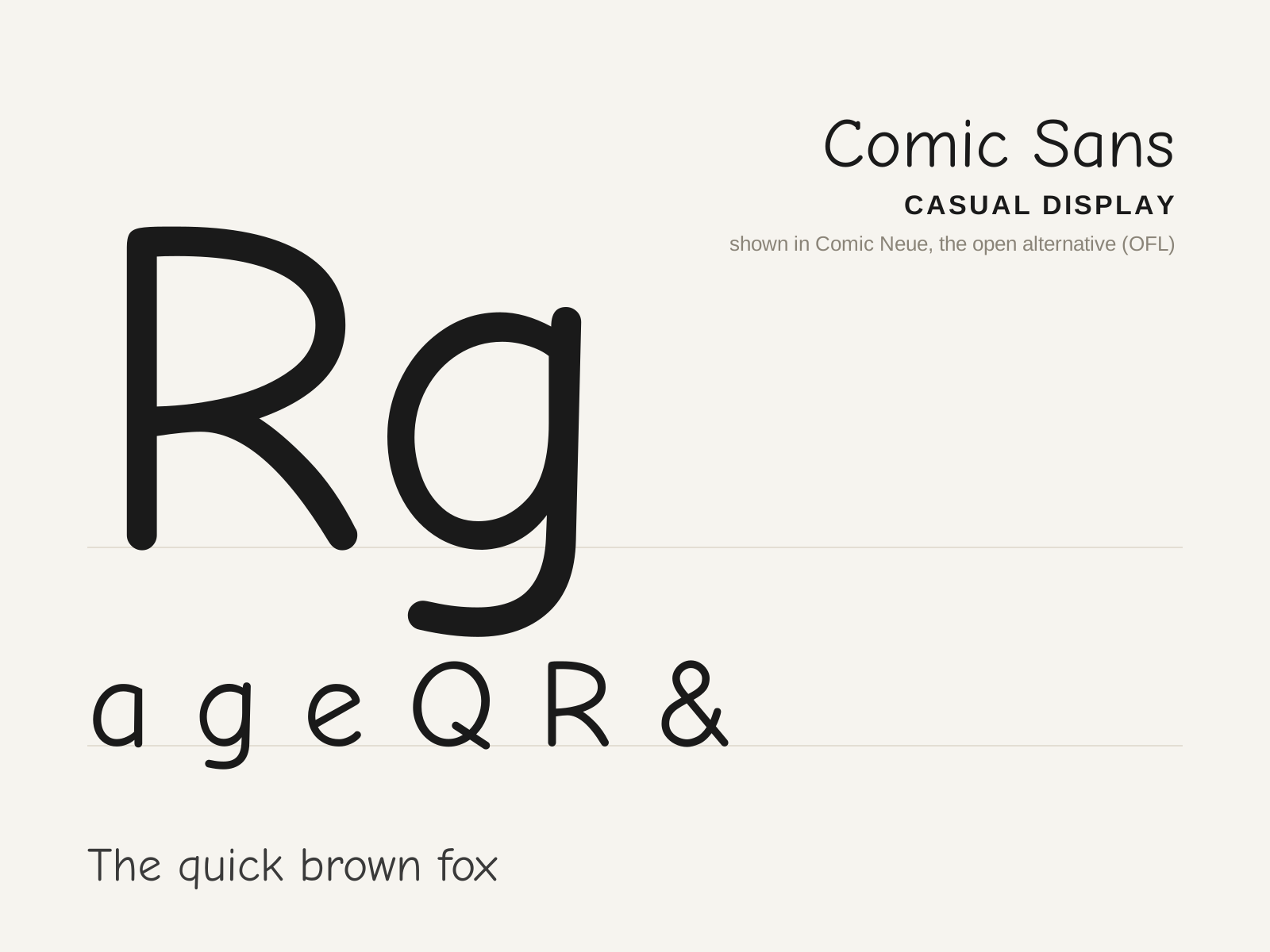
Comic Sans
A casual, comic-book-inspired display sans drawn in 1994 for a Microsoft software character, intended to feel friendly and informal. Its accidental ubiquity made it the most reviled — and stubbornly beloved — typeface on earth.
Design Style Book typography style index.