High-Tech Interior vs Industrial Loft
High-Tech Interior was influenced by Industrial Loft — shares the repurposed-industrial-fittings aesthetic.

High-Tech Interior
The interior that celebrates engineering — exposed ducts, gridded steel, factory and laboratory fittings repurposed for the home, where the building's services become its decoration.
- Exposed ductwork, service pipes, and structural steel as ornament
- Industrial fittings repurposed — factory shelving, rubber flooring
- Wire-grid shelving and perforated or studded metal surfaces
- Hard precise materials: galvanized steel, glass, aluminium
- Primary accent colors coding the exposed services
Industrial Loft
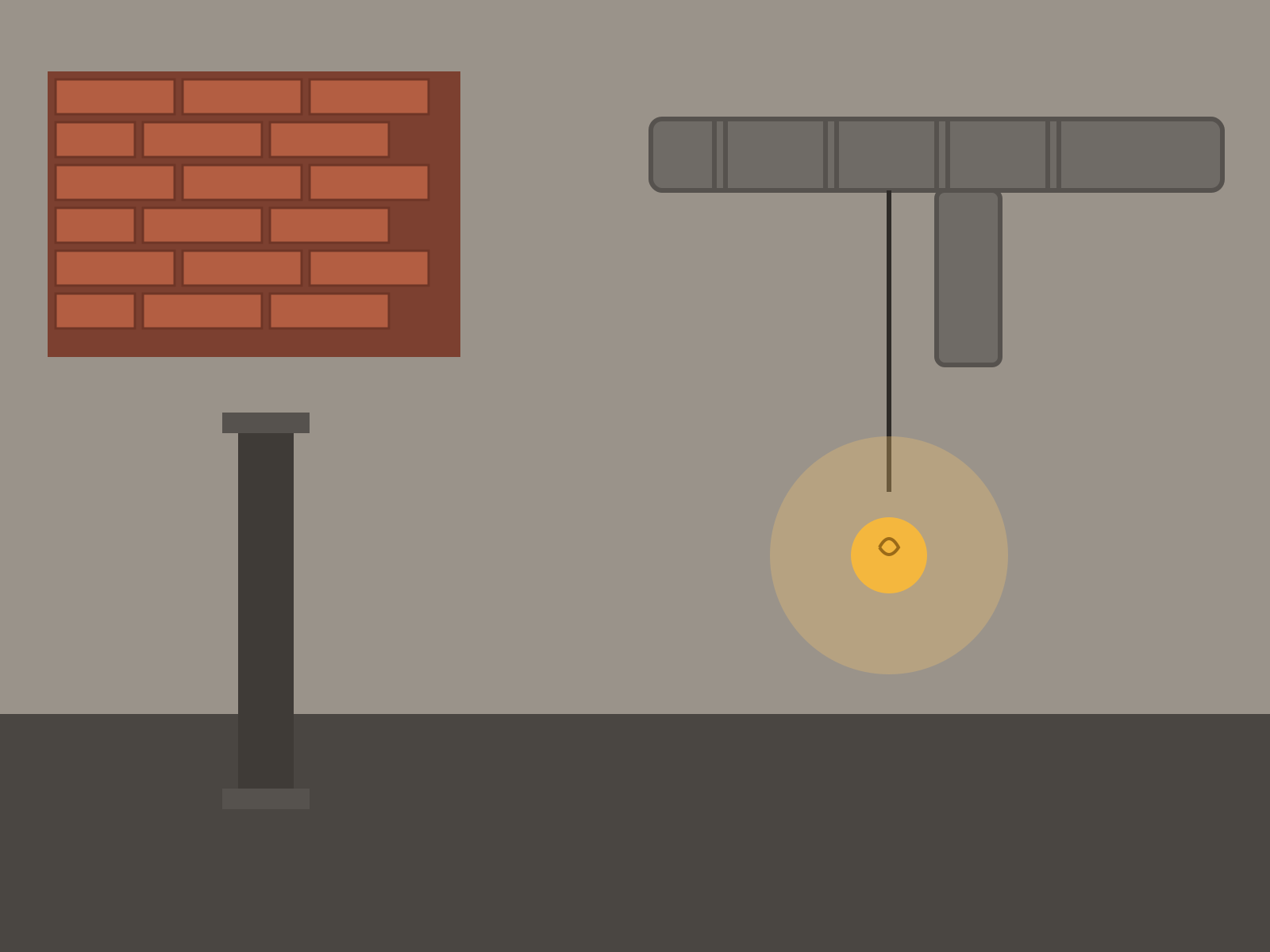
An aesthetic of converted factories and warehouses that celebrates raw structure — exposed brick, ductwork, concrete, and steel — as finished decor. It turns the bones of post-industrial buildings into the look itself.
- Exposed brick walls and structural steel columns left raw
- Visible ductwork, pipes, and ceiling infrastructure
- Polished or sealed concrete floors
- Open-plan layouts with high ceilings and tall factory windows
- Edison-bulb and metal-shade lighting with vintage or reclaimed furniture
At a glance
| High-Tech Interior | Industrial Loft | |
|---|---|---|
| Era | 1970s–1980s | 1990s–present |
| Discipline | Interior Design | Interior Design |
| Region | United Kingdom, United States, France | United States, Western Europe, Global |
| Family | Modernism, High-Tech | Industrial, Contemporary |
| Formal traits | industrial, exposed-services, metallic, precise | raw, open-plan, monochrome, structural |
More comparisons
Advertisement