Hygge vs Minimalist Interior
Hygge arose as a reaction against Minimalist Interior — softens stark minimalism with tactile, warm layering.
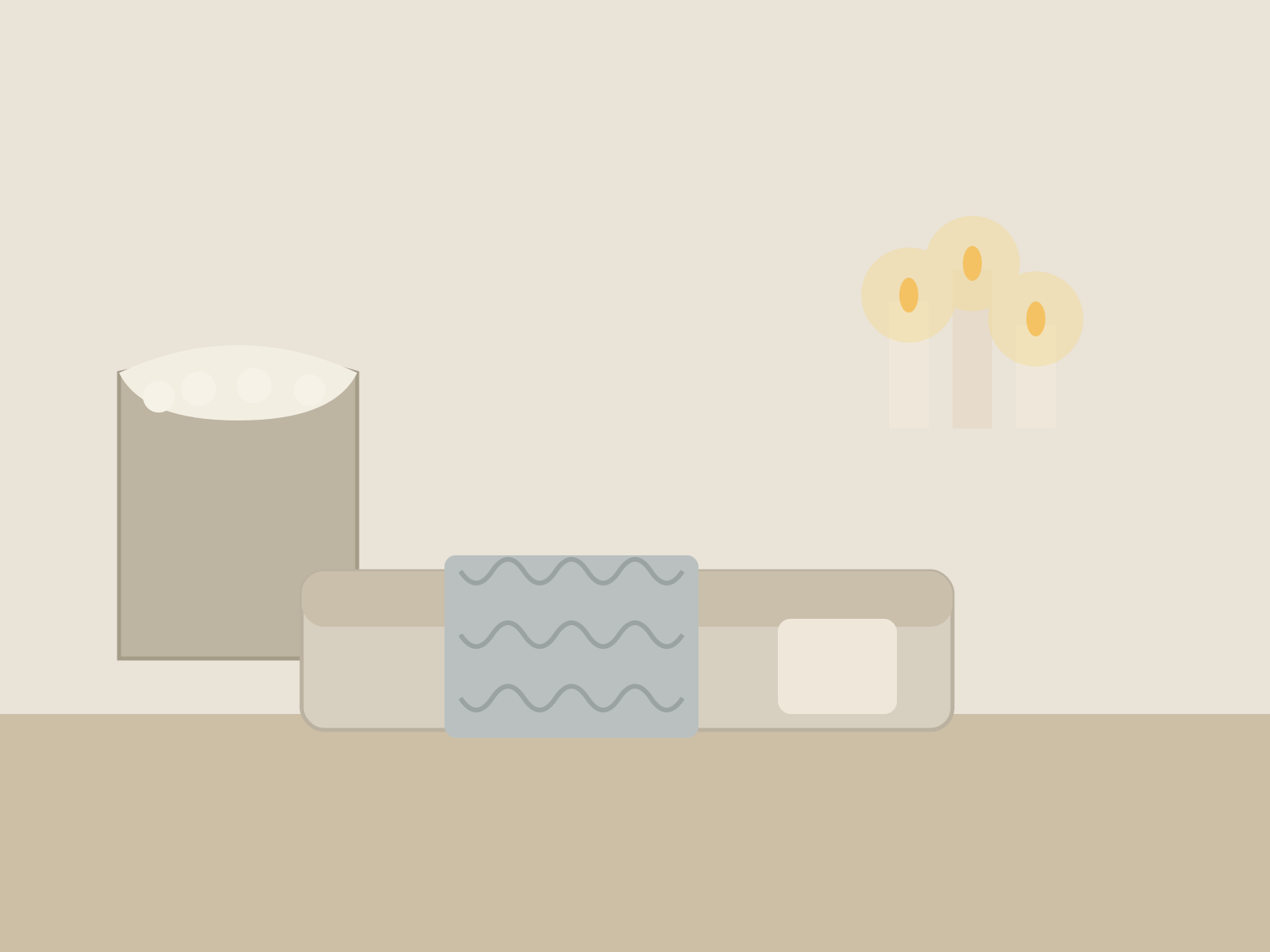
Hygge
A Danish-rooted interior mood built around warmth, comfort, and intimacy — soft textiles, candlelight, and pared-back natural materials that make a room feel safe and snug.
- Layered soft textiles — chunky knit throws, wool cushions, and sheepskins
- Low, warm, diffuse lighting from candles and amber-toned lamps
- Muted neutral palette of greys, creams, and pale natural wood
- Cosy nooks: reading corners, window seats, and fireside chairs
- Natural materials and greenery for an informal, lived-in calm

Minimalist Interior
The reductive interior stripped to essentials — monochrome surfaces, empty volume, and hidden storage, where light, proportion, and a few precise objects carry the entire room.
- Reductive monochrome palette of white, grey, and natural tones
- Empty volume and negative space treated as a material
- Flush handleless cabinetry concealing all storage
- Sparse, precisely placed furniture as deliberate objects
- Detail moved to shadow gaps and concealed joints
At a glance
| Hygge | Minimalist Interior | |
|---|---|---|
| Era | 2010s–present | 1960s–1990s |
| Discipline | Interior Design | Interior Design |
| Region | Denmark, Scandinavia, Global | United States, Japan, Western Europe |
| Family | Scandinavian | Modernism, Minimalism |
| Formal traits | cosy, minimal, neutral-toned, tactile | reductive, monochrome, spare, precise |
More comparisons
Advertisement