Neo-Noir vs New Hollywood
Neo-Noir is the cross-discipline counterpart of New Hollywood — 1970s naturalism reshaped early neo-noir like Chinatown.

Neo-Noir
The modern revival of film noir in color, updating chiaroscuro shadow, moral murk, and femme-fatale tropes with neon, saturated darkness, and contemporary urban settings.
- Low-key shadow recast in color, with deep blacks and pooled darkness
- Saturated neon and colored-gel lighting—magenta, cyan, sodium amber
- Rain-slicked, reflective urban night exteriors
- Classic noir motifs—blind-stripe shadows, reflections, canted framing—modernized
- Faster color stock allowing rich darkness with vivid artificial accents
New Hollywood
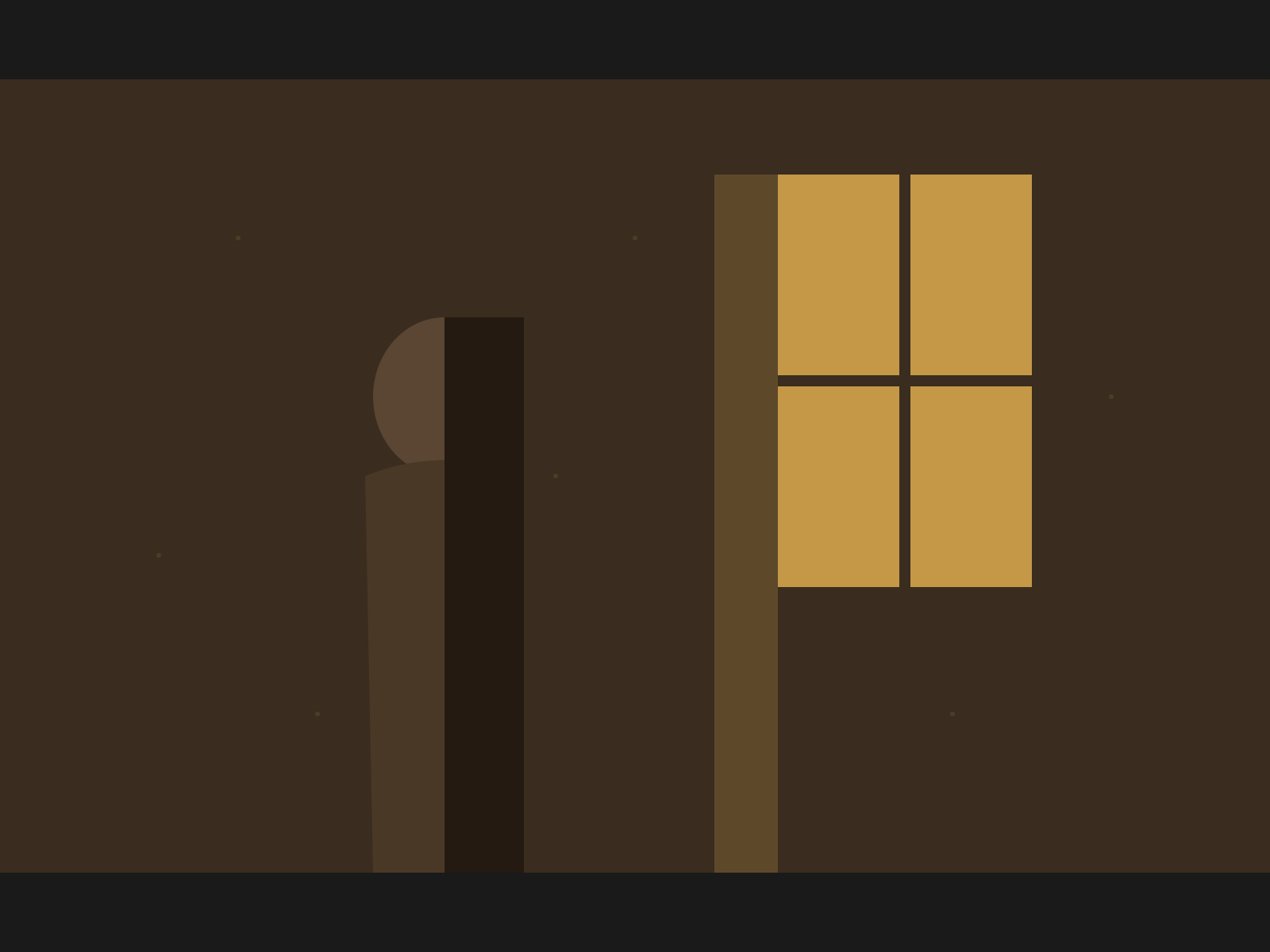
A late-1960s–70s American movement of auteur-driven films using naturalistic location shooting, available light, long lenses, and grainy realism to portray a darker, ambiguous America.
- Naturalistic location shooting over studio polish
- Available and motivated light, including bold underexposed low-key interiors
- Long telephoto lenses and zooms compressing crowded, observational space
- Grainy, sometimes flashed film stock with a muted, earthy 1970s palette
- Handheld and documentary-style camerawork for ambiguous realism
At a glance
| Neo-Noir | New Hollywood | |
|---|---|---|
| Era | 1974–present | 1967–1980 |
| Discipline | Cinematography | Cinematography |
| Region | United States, Worldwide | United States |
| Family | Noir, Neo | Modernist, New Wave |
| Formal traits | low-key, neon-lit, saturated-darkness, color-gels | available-light, telephoto, muted-palette, handheld |
More comparisons
Advertisement