1994–present · United States, Global
Comic Sans
Also known as Comic Sans MS
A casual, comic-book-inspired display sans drawn in 1994 for a Microsoft software character, intended to feel friendly and informal. Its accidental ubiquity made it the most reviled — and stubbornly beloved — typeface on earth.
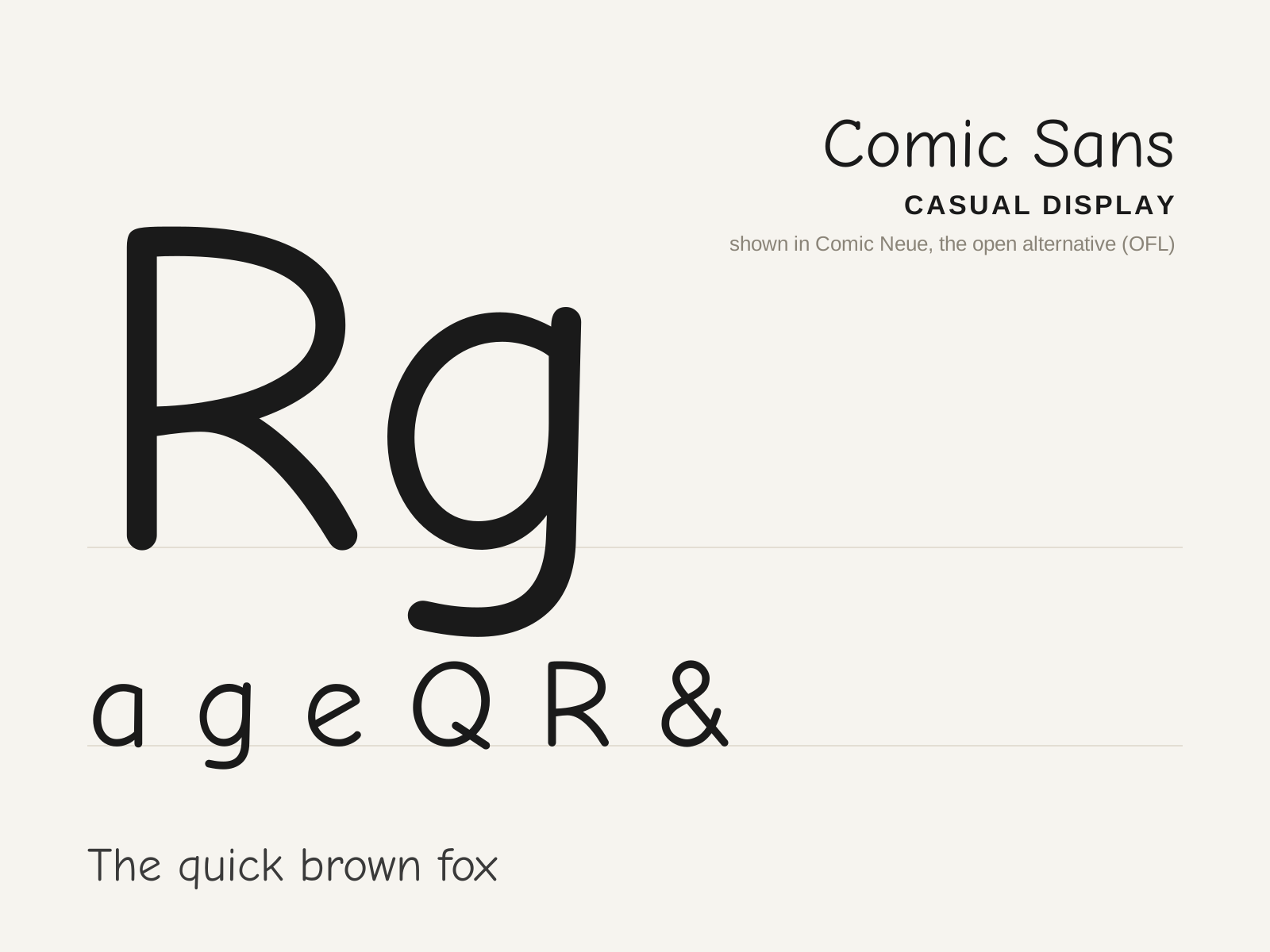
Original specimen, not a historical artifactType specimen — Comic Sans (Casual display); shown in Comic Neue, the open alternative (OFL). Owned; source: Design Style Book (original specimen).
About the style
Comic Sans is the casual display sans-serif designed by Vincent Connare at Microsoft in 1994, inspired by the hand-lettering of comic books such as Watchmen and originally intended for speech bubbles in the Microsoft Bob software package. Though it missed that deadline, it shipped with Windows 95 and subsequent systems, and its loose, irregular, deliberately un-mechanical letterforms made it enormously popular for informal documents, children's materials, and signage. Those same qualities — uneven strokes, rounded informal shapes, a bouncy and unserious rhythm — provoked a fierce backlash among designers, spawning the 'Ban Comic Sans' campaign and cementing its status as the world's most mocked typeface. Yet its very friendliness has genuine value: studies and advocates note its legibility for some dyslexic readers, and it remains widely used precisely because it feels approachable and human. Connare has defended it good-naturedly, observing it was never meant for formal use.
Notable examples
- ▸Comic Sans (Vincent Connare, Microsoft, 1994)
- ▸Shipped with Windows 95 and beyond
- ▸Subject of the 'Ban Comic Sans' campaign (2000s)
Anatomy of Comic Sans
The numbered markers call out the design elements that define this style. Hover or tap a marker to see its breakdown.
Original specimen, not a historical artifactType specimen — Comic Sans (Casual display); shown in Comic Neue, the open alternative (OFL). Owned; source: Design Style Book (original specimen).
Comic Sans's capital R is loosely drawn with a rounded bowl and an informal, slightly irregular leg, deliberately avoiding mechanical precision. It reads hand-drawn rather than constructed.
The lowercase g is a simple single-story form with an open, casual tail — informal and unintimidating. Its rounded shapes contribute to the typeface's approachable feel.
The lowercase a is a single-story rounded shape with an open counter and uneven stroke, evoking comic-book hand-lettering. Its bounce is deliberately un-mechanical.
Comic Sans reads as casual and warm — loved for kids' materials and praised for dyslexic legibility, yet so misused on formal signage that it became the internet's most mocked font.
How Comic Sans connects
Styles form a network, not a tree. Explore the direct neighbours below — click any to travel the map one hop at a time.
- Evolved from
Hover or tap a style to preview it.
Evolved from Display — a casual comic-lettering display sans
Compare side by side
Describe it like this
Prompt-ready vocabulary for describing or re-creating the Comic Sans look. Tap a word to collect it in Designdeas.
Get copy-ready Comic Sans AI prompts →