Maximalist Interior vs Transitional Interior
Transitional Interior arose as a reaction against Maximalist Interior — favours quiet timelessness over bold statement.

Maximalist Interior
A bold, abundant reaction against minimalism that embraces saturated color, layered pattern, collected objects, and visual richness. Its mantra is 'more is more', curated into joyful excess.
- Saturated, often clashing color and bold mixed patterns
- Layered collections, gallery walls, and abundant objects
- Rich materials — velvet, brass, lacquer, and marble
- Dramatic wallpapers and color-drenched walls and ceilings
- Curated excess expressing strong personality, not chaos
Transitional Interior
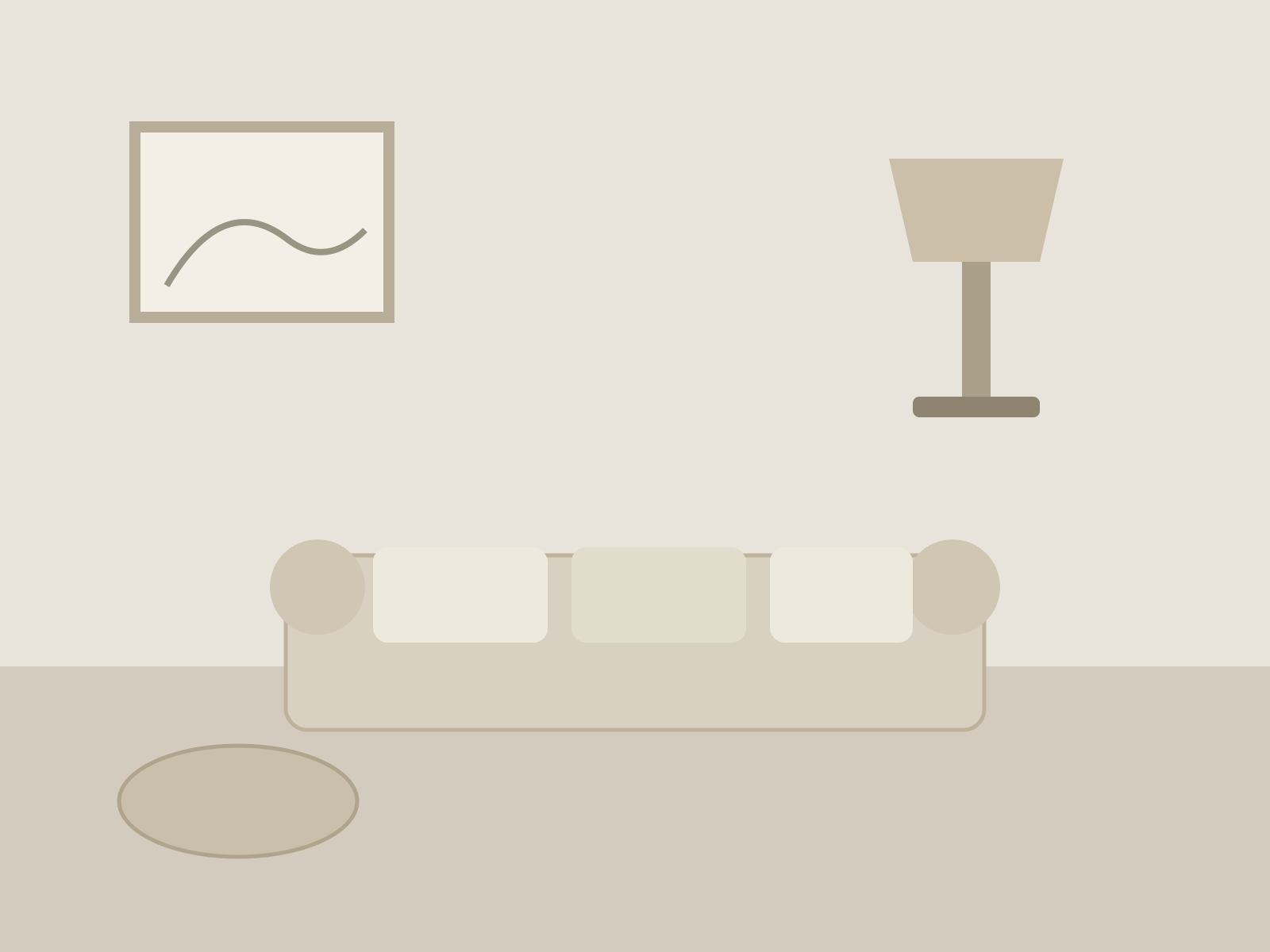
A balanced blend of traditional and contemporary design — classic forms stripped of fuss and paired with clean lines and neutral palettes. It aims for timeless, comfortable, broadly appealing rooms.
- A balanced mix of traditional forms and contemporary lines
- Neutral palettes of greige, taupe, cream, and soft grey
- Texture and tonal layering in place of bold pattern or color
- Classic furniture silhouettes stripped of heavy ornament
- Calm, uncluttered, intentionally timeless rooms
At a glance
| Maximalist Interior | Transitional Interior | |
|---|---|---|
| Era | 2010s–present | 1990s–present |
| Discipline | Interior Design | Interior Design |
| Region | United Kingdom, United States, Global | United States, Global |
| Family | Eclectic, Contemporary | Transitional, Contemporary |
| Formal traits | bold, layered, patterned, saturated | balanced, neutral, textured, timeless |
More comparisons
Advertisement