Contemporary Minimalist vs Transitional Interior
Transitional Interior was influenced by Contemporary Minimalist — borrows clean lines and calm neutral restraint.
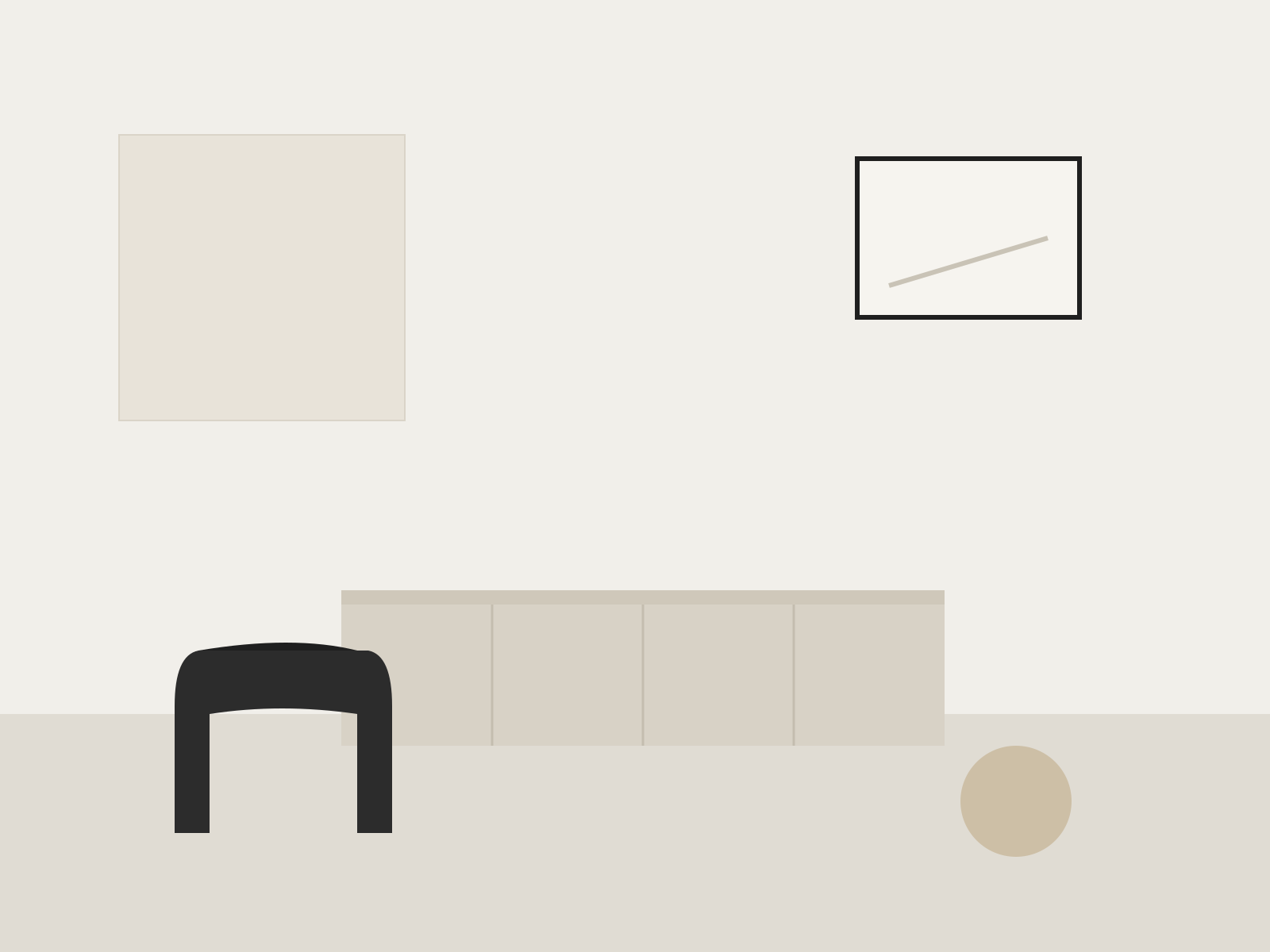
Contemporary Minimalist
A pared-back contemporary look built on the principle that 'less is more' — clean lines, neutral palettes, hidden storage, and uncluttered space. It strips interiors to essential form, light, and material.
- Clean uninterrupted lines and uncluttered open space
- Restrained neutral palette of white, grey, beige, and black
- Concealed storage behind seamless flush surfaces
- Few carefully chosen pieces and an absence of ornament
- Negative space and light treated as core design elements
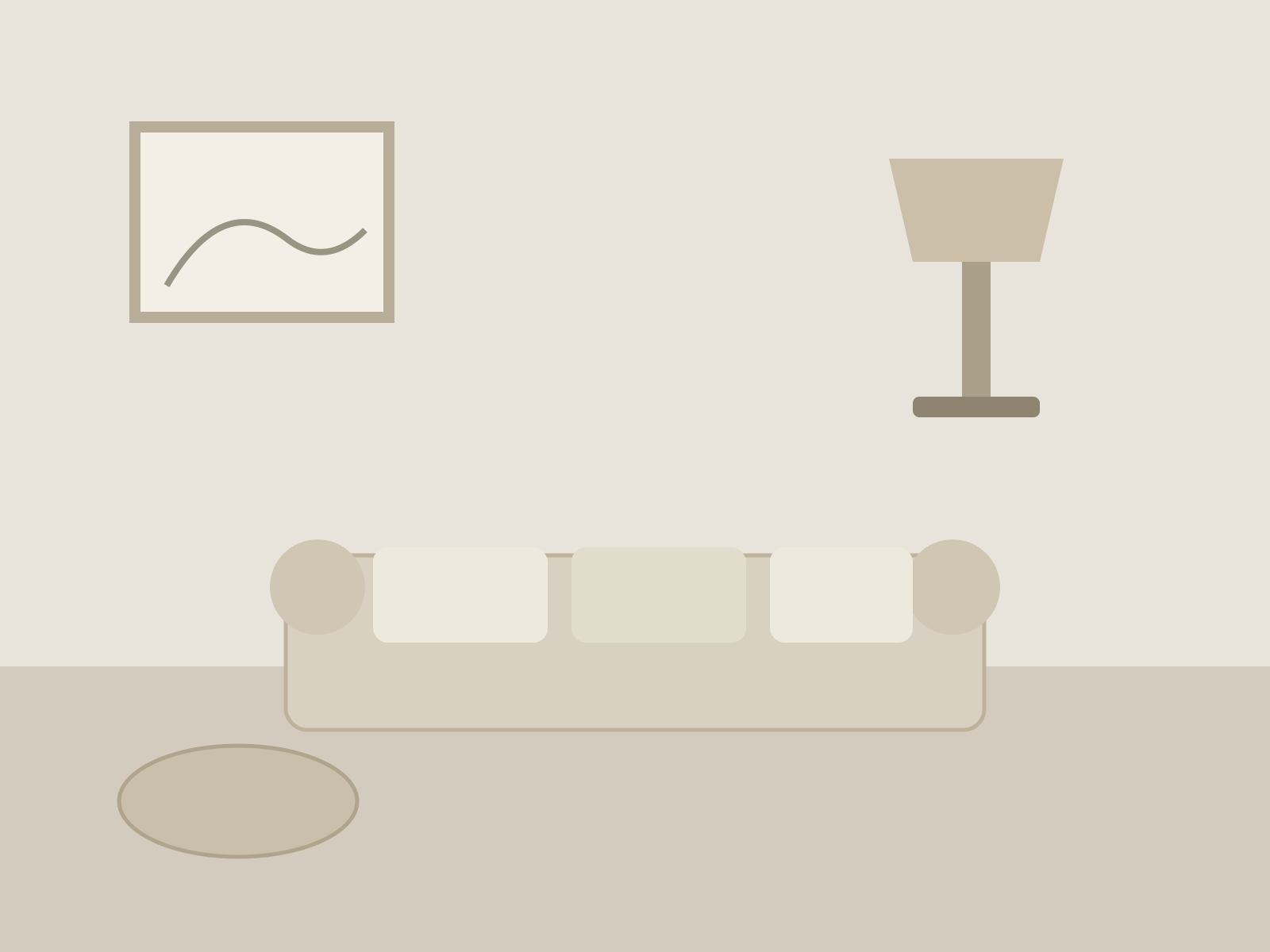
Transitional Interior
A balanced blend of traditional and contemporary design — classic forms stripped of fuss and paired with clean lines and neutral palettes. It aims for timeless, comfortable, broadly appealing rooms.
- A balanced mix of traditional forms and contemporary lines
- Neutral palettes of greige, taupe, cream, and soft grey
- Texture and tonal layering in place of bold pattern or color
- Classic furniture silhouettes stripped of heavy ornament
- Calm, uncluttered, intentionally timeless rooms
At a glance
| Contemporary Minimalist | Transitional Interior | |
|---|---|---|
| Era | 1990s–present | 1990s–present |
| Discipline | Interior Design | Interior Design |
| Region | Global | United States, Global |
| Family | Minimalism, Contemporary | Transitional, Contemporary |
| Formal traits | clean, neutral, uncluttered, restrained | balanced, neutral, textured, timeless |
More comparisons
Advertisement