1990s–present · United States, Global
Transitional Interior
Also known as Transitional Style, Updated Classic, Casual Elegance
A balanced blend of traditional and contemporary design — classic forms stripped of fuss and paired with clean lines and neutral palettes. It aims for timeless, comfortable, broadly appealing rooms.
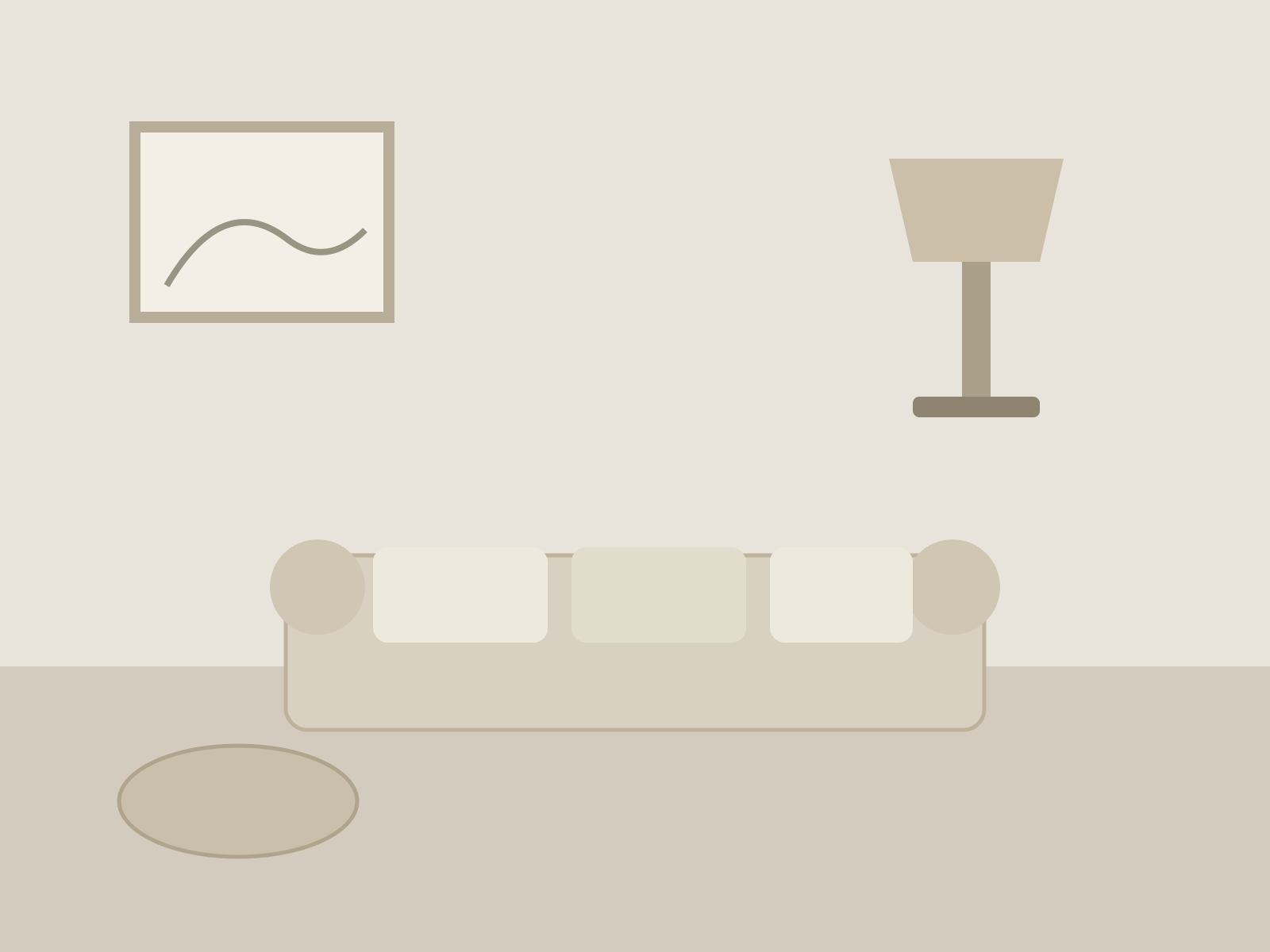
Original specimen, not a historical artifactOriginal specimen in the Transitional Interior style. Owned; source: Design Style Book (original).
About the style
Transitional style is a deliberate middle ground between traditional and contemporary interiors, popularised by American designers and shelter magazines from the 1990s onward as a way to feel current without abandoning classic comfort. It marries the proportion and quality of traditional furniture — rolled arms, turned details, and timeless silhouettes — with the restraint of modern design: clean lines, minimal ornament, and calm, neutral palettes of greige, taupe, cream, and soft grey. Texture does the heavy lifting in place of bold color or pattern, with layered neutrals in linen, wool, and natural wood, plus tonal accents and metallic or glass touches. The result is intentionally timeless, uncluttered, and broadly appealing — neither overtly period nor aggressively modern. Because it photographs well and rarely dates, transitional became a default for upmarket spec homes, model interiors, and clients seeking comfortable elegance over a strong stylistic statement.
Notable examples
- ▸American shelter-magazine transitional interiors (1990s–2000s)
- ▸Restoration Hardware (RH) neutral transitional aesthetic
- ▸Upmarket spec-home and model-home interiors
Anatomy of Transitional Interior
The numbered markers call out the design elements that define this style. Hover or tap a marker to see its breakdown.
Original specimen, not a historical artifactOriginal specimen in the Transitional Interior style. Owned; source: Design Style Book (original).
Greige, taupe, and cream tones keep the room calm and timeless rather than boldly colored.
Traditional silhouettes are stripped of heavy ornament and paired with cleaner contemporary lines.
Linen, wool, and natural wood add tonal depth in place of strong pattern or color.
Restrained metallic or glass touches add subtle polish without breaking the neutral calm.
How Transitional Interior connects
Styles form a network, not a tree. Explore the direct neighbours below — click any to travel the map one hop at a time.
- Evolved from
- Influenced by
- Reaction against
Hover or tap a style to preview it.
Evolved from Colonial Revival Interior — carries classic forms forward in a softened, updated way
Influenced by Contemporary Minimalist — borrows clean lines and calm neutral restraint
Reaction against Maximalist Interior — favours quiet timelessness over bold statement
Modern Farmhouse influenced by Transitional Interior — blends traditional comfort with contemporary restraint
Describe it like this
Prompt-ready vocabulary for describing or re-creating the Transitional Interior look. Tap a word to collect it in Designdeas.
Get copy-ready Transitional Interior AI prompts →