Mexican Calavera vs Wood-Type Poster
Mexican Calavera was influenced by Wood-Type Poster — cheap relief-printed broadsides for a mass street audience.

Mexican Calavera
The skeleton broadsides of José Guadalupe Posada, where grinning calaveras parade through satirical, bold-lined relief prints. A vernacular Mexican graphic tradition that turned death into social commentary and folk celebration.
- Animated skeletons (calaveras) in human roles
- Bold, economical black relief-print line
- Satirical broadside format with verse
- La Catrina-type elegant costumed skeletons
- Vernacular Day-of-the-Dead iconography
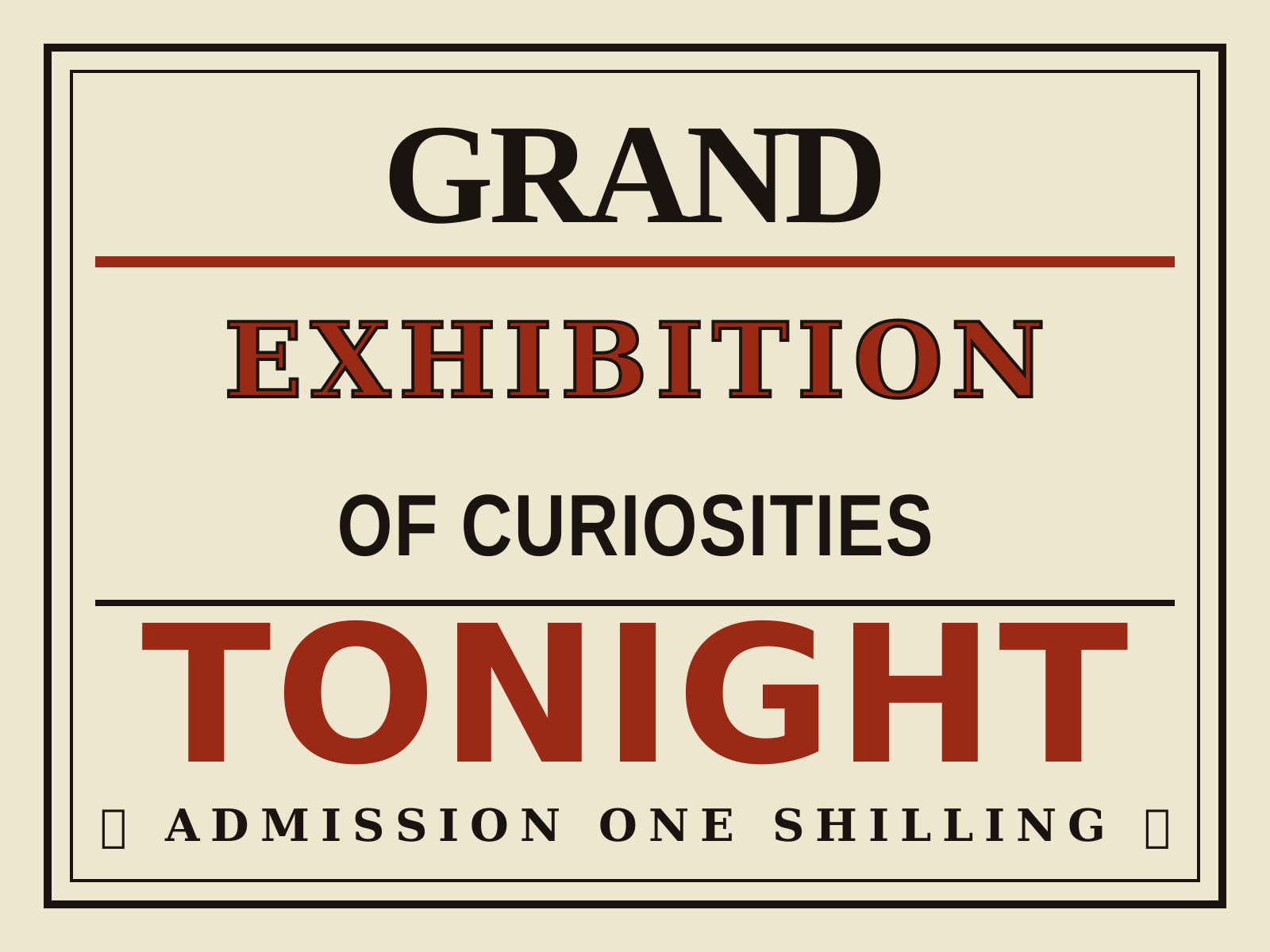
Wood-Type Poster
The shouting, oversized letterpress of 19th-century American broadsides, set in giant wood type for circus bills, playbills, and auctions. Each line is a different fat, slab, or shadowed face, stacked to fill the sheet with maximum noise.
- Oversized end-grain wood display type
- Centered, line-by-line stacked composition
- Each line a different fat, slab, or Tuscan face
- Bold woodcut or stereotype images
- Second-color (often red) emphasis runs
At a glance
| Mexican Calavera | Wood-Type Poster | |
|---|---|---|
| Era | c. 1890–present | 19th century |
| Discipline | Graphic Design | Graphic Design |
| Region | Mexico | United States, Britain |
| Family | World, Vernacular/Pop | Pre-modern, Vernacular/Pop |
| Formal traits | relief-print, bold-outline, satirical, high-contrast | wood-type, letterpress, high-contrast, mixed-typefaces |
More comparisons
Advertisement