19th century · United States, Britain
Wood-Type Poster
Also known as Letterpress Broadside, Playbill Style
The shouting, oversized letterpress of 19th-century American broadsides, set in giant wood type for circus bills, playbills, and auctions. Each line is a different fat, slab, or shadowed face, stacked to fill the sheet with maximum noise.
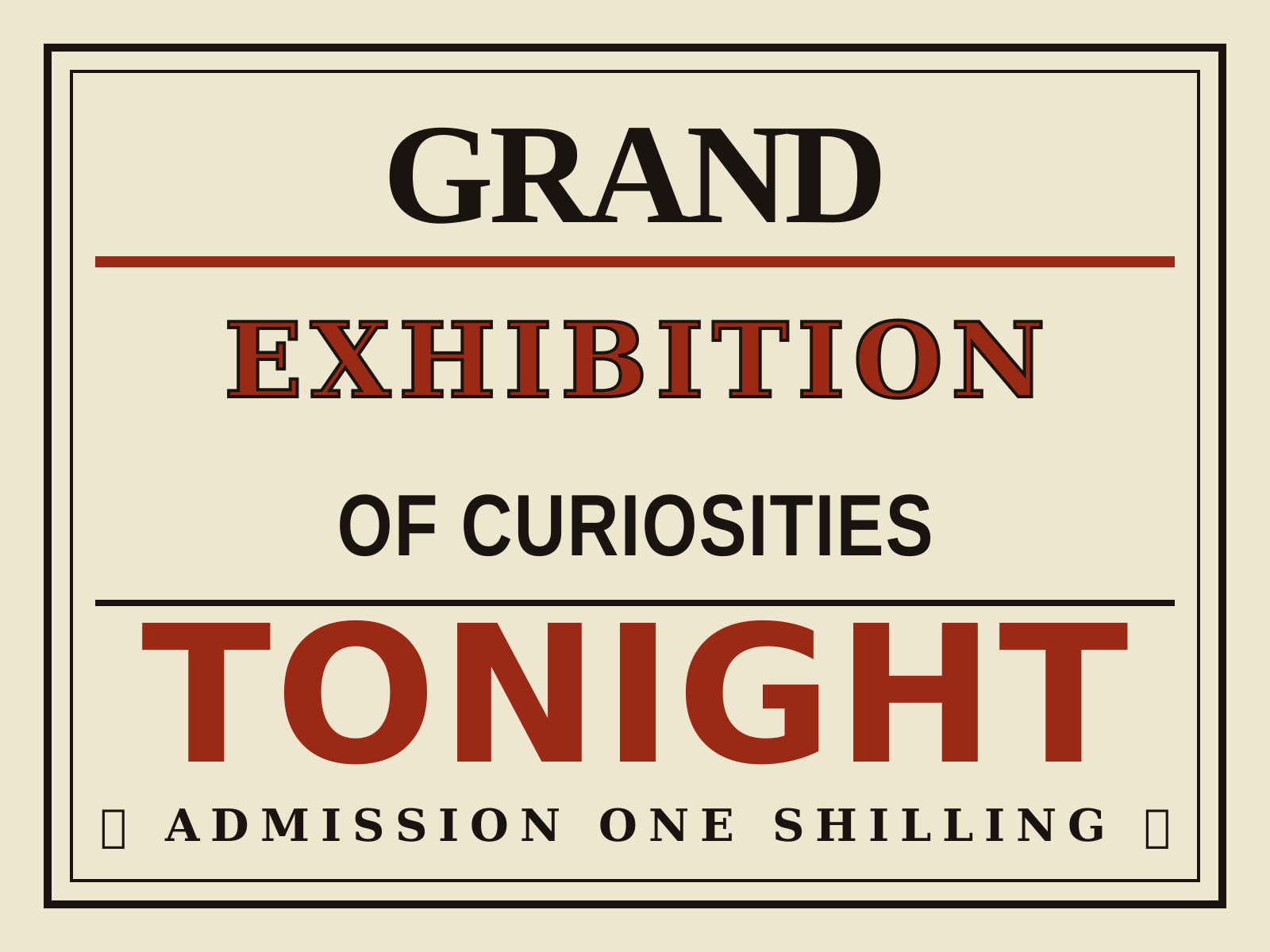
Original specimen, not a historical artifactOriginal specimen in the Wood-Type Poster style. Owned; source: Design Style Book (original).
Across disciplines
- Typography: Display
About the style
Wood-type posters emerged after Darius Wells's 1827 invention of a lateral router that made it cheap to mass-produce large display letters from end-grain wood, freeing printers from the size limits of cast metal type. Job printers used these faces — fat-faces, slab serifs (Egyptians), Tuscans, and ornamented woods — to set circus posters, theatrical playbills, auction notices, and broadsides at poster scale. The aesthetic is centered, line-by-line, with each line maximized to the width of the column and set in a different weight or style for emphasis, producing a dense, energetic, hierarchy-by-size composition. Color was added with a second run of bright ink, often red, and bold woodcut or stereotype images of animals and performers punctuated the type. As the vernacular of American commercial printing, the wood-type broadside defined the look of the public announcement and remains a touchstone for typographic energy and revival.
Notable examples
- ▸Darius Wells — first wood-type specimen book (1828)
- ▸William H. Page — Page Wood Type specimen books (1870s)
- ▸Hatch Show Print — letterpress show posters (Nashville, est. 1879)
Anatomy of Wood-Type Poster
The numbered markers call out the design elements that define this style. Hover or tap a marker to see its breakdown.
Original specimen, not a historical artifactOriginal specimen in the Wood-Type Poster style. Owned; source: Design Style Book (original).
Letters routed from end-grain wood reach poster scale, far larger than cast metal could manage, dominating the sheet.
Importance is signaled purely by size: each centered line is set as large as its column allows, so emphasis reads top to bottom.
Adjacent lines deliberately switch between fat-face, slab serif, and ornamented Tuscan, creating a jostling typographic texture.
A bold relief-cut illustration of a horse, clown, or pointing hand interrupts the type, printed from the same press bed.
How Wood-Type Poster connects
Styles form a network, not a tree. Explore the direct neighbours below — click any to travel the map one hop at a time.
- Parallel / cross-current
- Influenced by
Hover or tap a style to preview it.
Parallel / cross-current Display — the wood-type display letterforms of the same 19th-century jobbing trade
Mexican Calavera influenced by Wood-Type Poster — cheap relief-printed broadsides for a mass street audience
Compare side by side
Describe it like this
Prompt-ready vocabulary for describing or re-creating the Wood-Type Poster look. Tap a word to collect it in Designdeas.
Get copy-ready Wood-Type Poster AI prompts →