Skeuomorphism vs Y2K Aesthetic
Skeuomorphism was influenced by Y2K Aesthetic.
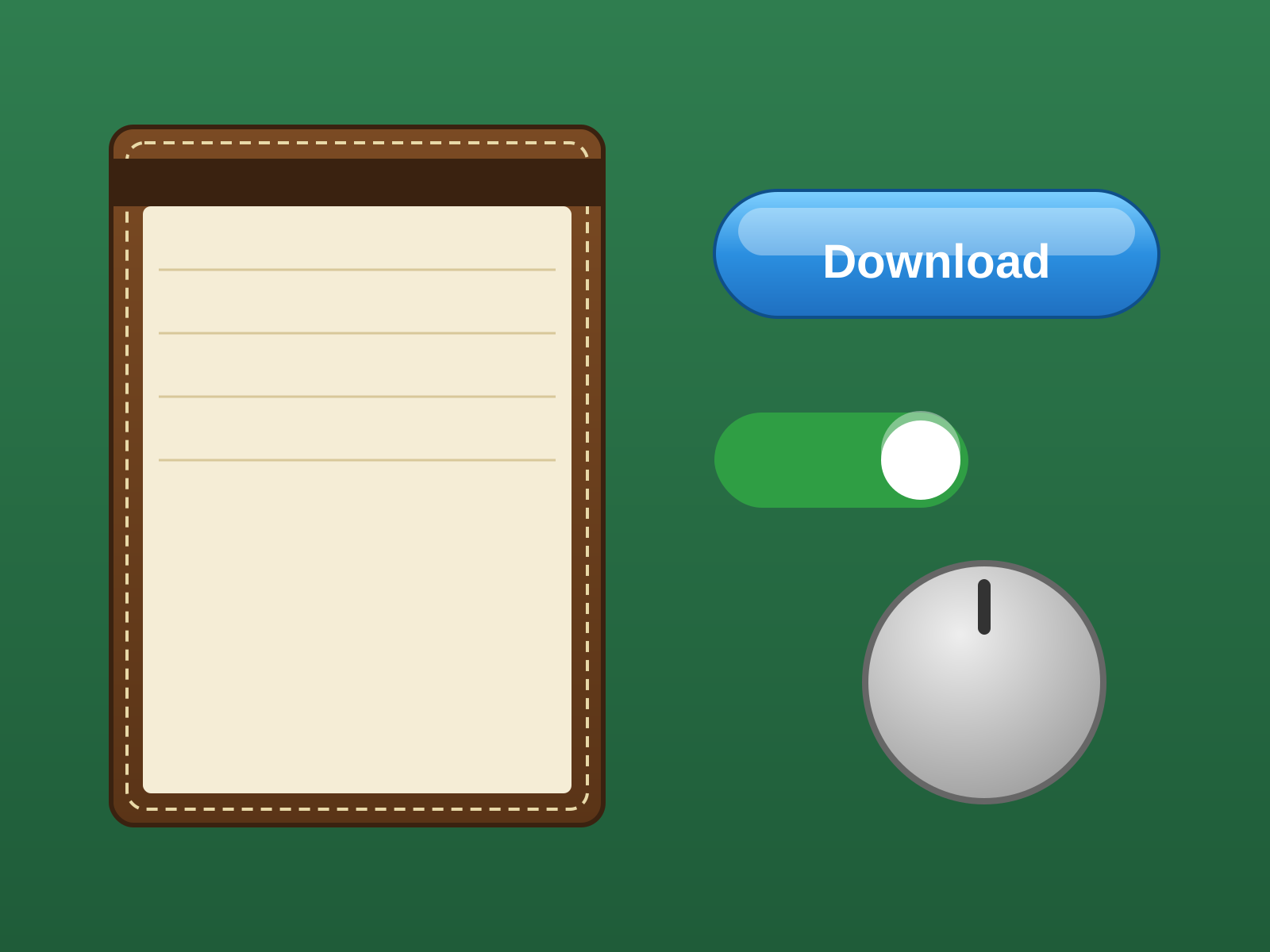
Skeuomorphism
Interface design that mimics real-world materials—stitched leather, brushed metal, glossy glass buttons—so digital objects look and behave like their physical counterparts.
- Realistic material textures (leather, felt, metal)
- Glossy, beveled 3D buttons
- Drop shadows and simulated depth
- Photoreal icons mimicking physical objects
- Tactile affordances copied from real devices
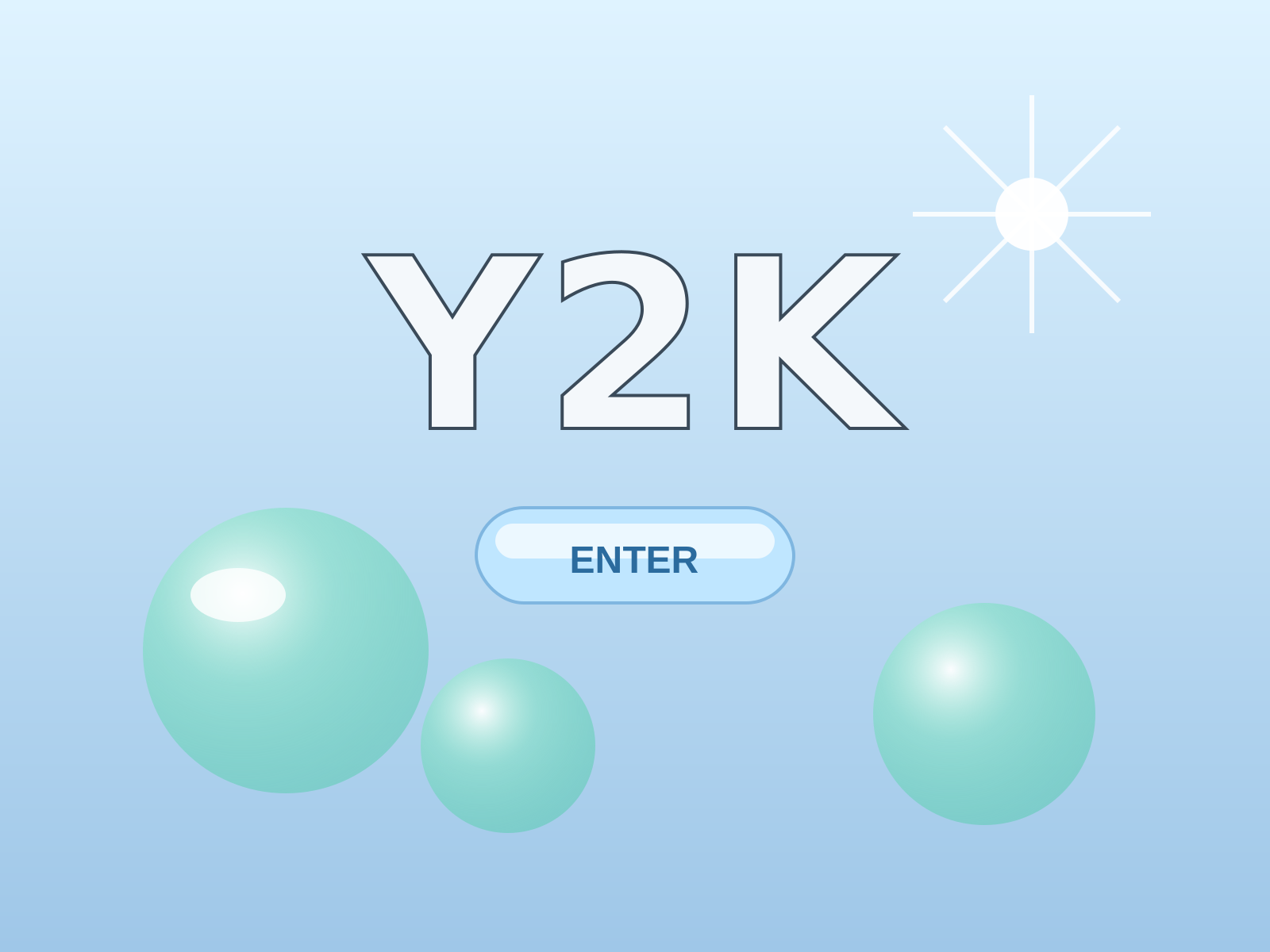
Y2K Aesthetic
The glossy techno-optimism of the turn of the millennium: liquid chrome, translucent bubble gadgets, lens flares, and a shiny faith that the digital future would be frictionless and fun.
- Liquid chrome and mirror-finish metallic type
- Translucent, candy-colored bubble plastics and gadgets
- Lens flares, starbursts, and glossy reflective highlights
- Cool palette of silver, ice blue, and acid green
- Soft 3D bevels, blobby organic shapes, and glassy buttons
At a glance
| Skeuomorphism | Y2K Aesthetic | |
|---|---|---|
| Era | Late 1990s–2013 | c. 1997–2004 |
| Discipline | Graphic Design | Graphic Design |
| Region | United States, Global | Global, United States, Japan |
| Family | UI/Interface, Digital | Digital, Vernacular/Pop |
| Formal traits | glossy, textured, 3d-beveled, photoreal | chrome, translucent, gradient, lens-flare |
More comparisons
Advertisement