Glassmorphism vs Y2K Aesthetic
Glassmorphism was influenced by Y2K Aesthetic.
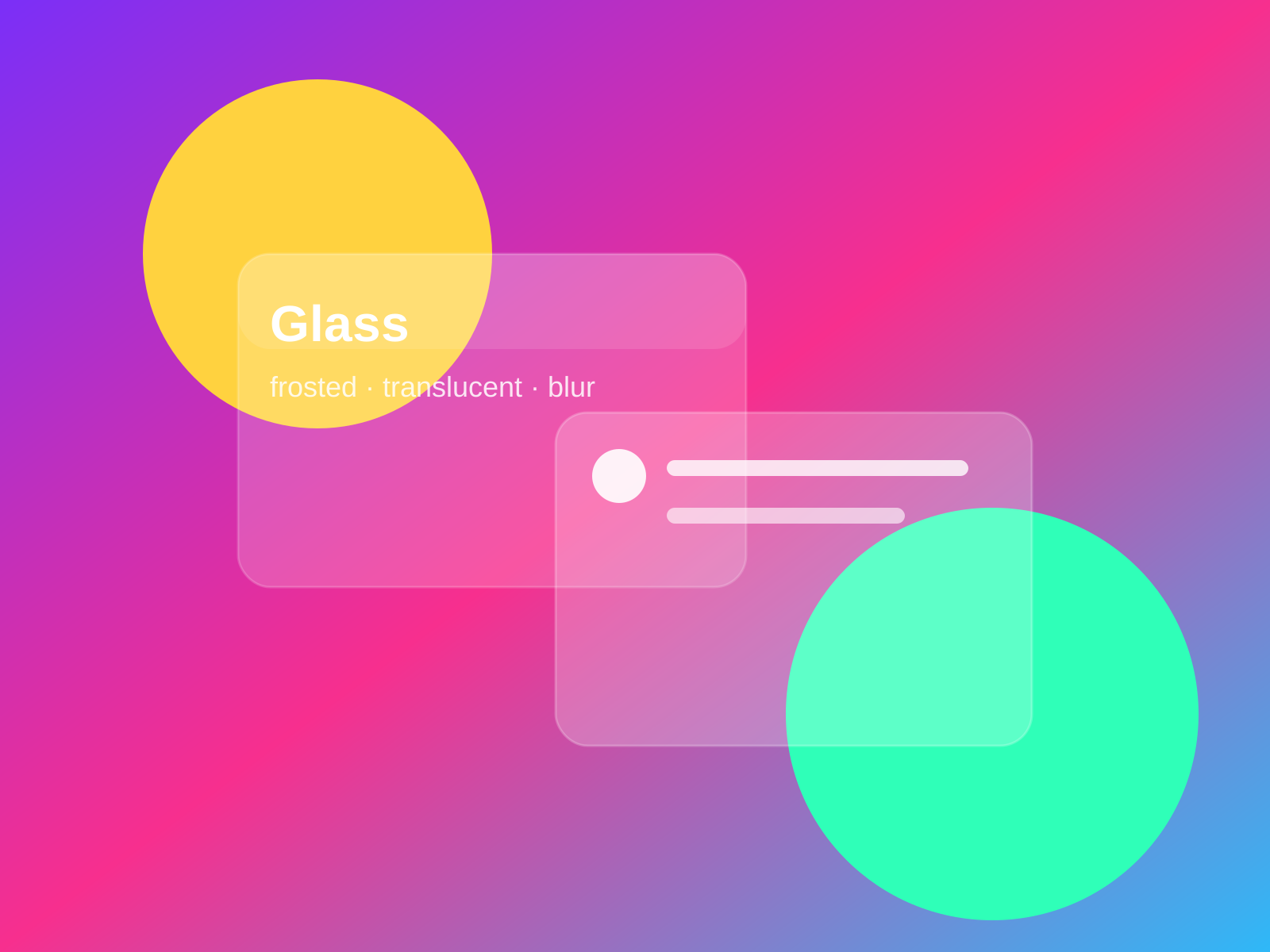
Glassmorphism
Frosted, translucent panels that blur whatever sits behind them, floating over vivid backdrops with thin light borders to suggest layered sheets of glass.
- Semi-transparent frosted panels
- Background blur of underlying content
- Thin, light, often gradient borders
- Vivid colorful backdrops behind glass
- Soft shadows implying floating layers
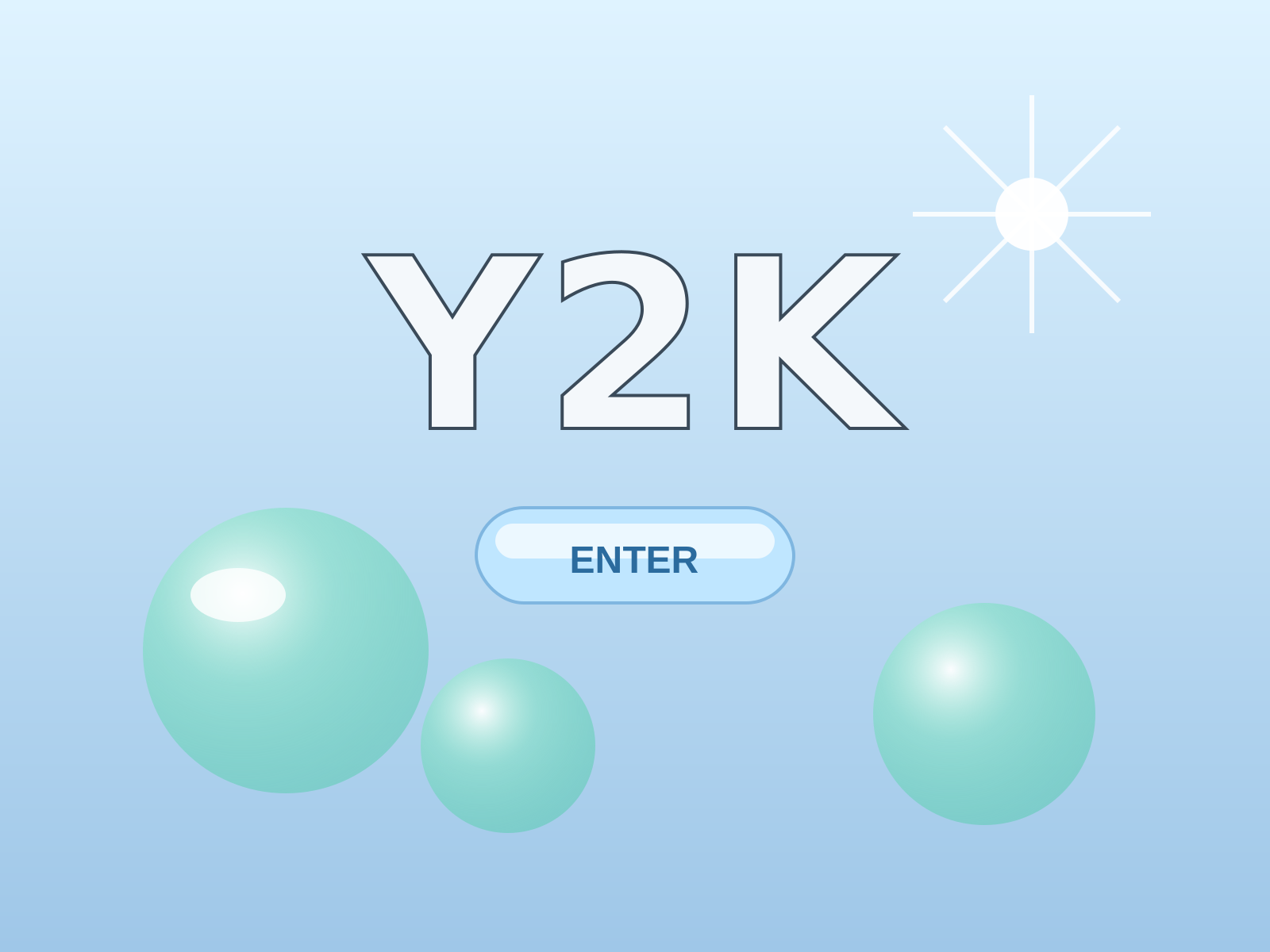
Y2K Aesthetic
The glossy techno-optimism of the turn of the millennium: liquid chrome, translucent bubble gadgets, lens flares, and a shiny faith that the digital future would be frictionless and fun.
- Liquid chrome and mirror-finish metallic type
- Translucent, candy-colored bubble plastics and gadgets
- Lens flares, starbursts, and glossy reflective highlights
- Cool palette of silver, ice blue, and acid green
- Soft 3D bevels, blobby organic shapes, and glassy buttons
At a glance
| Glassmorphism | Y2K Aesthetic | |
|---|---|---|
| Era | 2020s | c. 1997–2004 |
| Discipline | Graphic Design | Graphic Design |
| Region | Global | Global, United States, Japan |
| Family | UI/Interface, Digital | Digital, Vernacular/Pop |
| Formal traits | translucent, frosted-blur, thin-border, layered | chrome, translucent, gradient, lens-flare |
More comparisons
Advertisement