Contemporary · Japan, Europe, North America, Global
Risograph
Also known as Riso, Riso Print
A spot-color printing aesthetic built on the Risograph duplicator's soy-based fluorescent inks, where deliberate misregistration, grain, and overprinted layers turn mechanical limitation into charm.
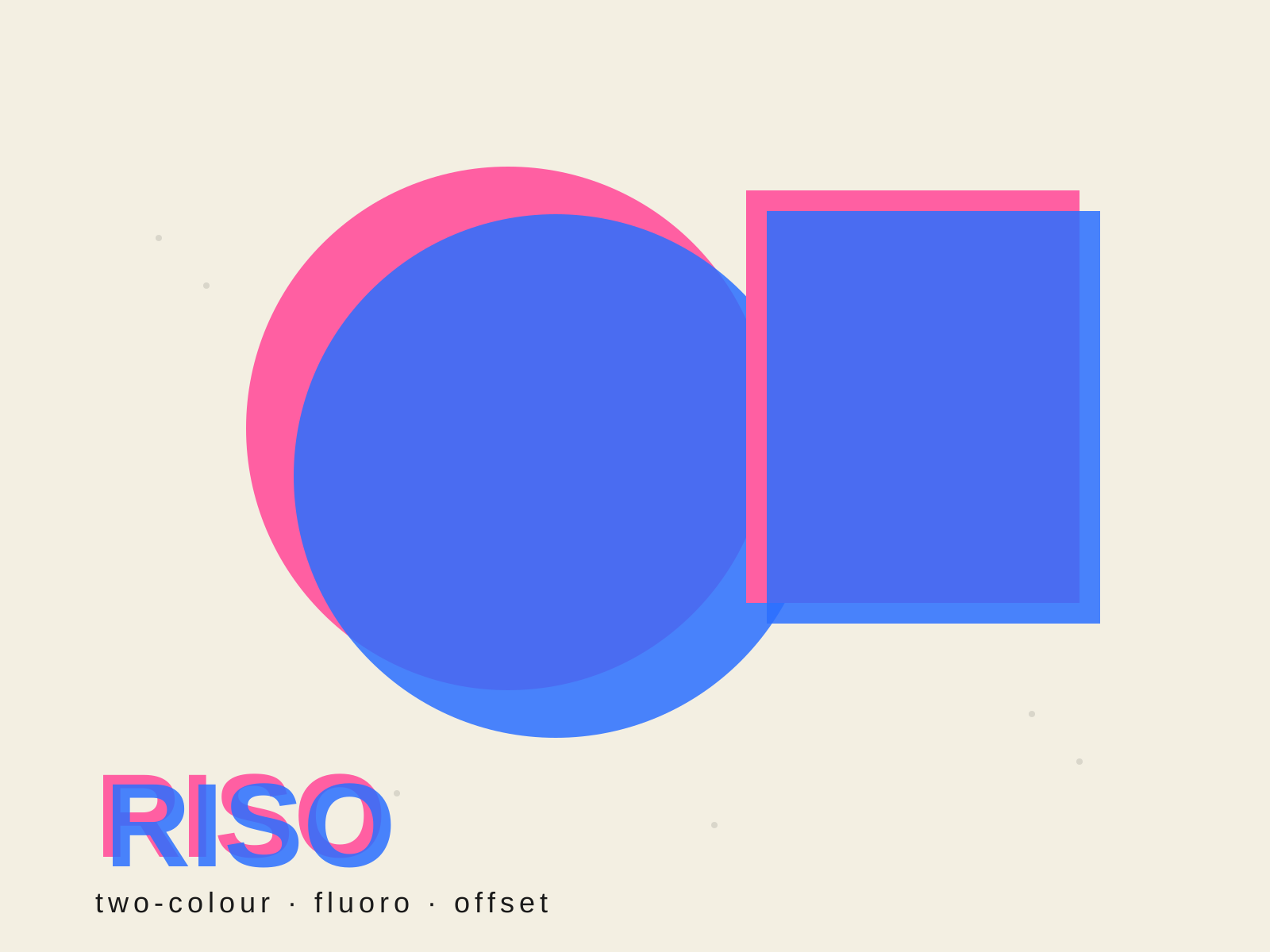
Original specimen, not a historical artifactOriginal specimen in the Risograph style. Owned; source: Design Style Book (original).
About the style
The Risograph is a Japanese stencil-based duplicator from Riso Kagaku, originally a cheap office and church-bulletin machine, that since the mid-2000s has been embraced by independent designers, illustrators, and zine-makers as a distinctive print medium. Each color is printed as a separate pass from a soy-ink drum in a limited palette of bright and fluorescent spot colors, so artwork is built in discrete layers rather than CMYK. The machine's mechanical imprecision produces the signature look: slight misregistration between layers, visible halftone grain, roller marks, and unpredictable overprints where two inks mix into a third. Designers lean into these 'flaws,' choosing duotone and tritone palettes and embracing texture as a feature. The result is a warm, tactile, handmade-feeling aesthetic that sits between screen printing and photocopy, beloved in contemporary zine, poster, and small-press culture.
Notable examples
- ▸Riso Kagaku — RISO duplicator printing system (1980s, revived c.2005)
- ▸Hato Press — London risograph studio editions (2010s)
- ▸Tom Froese — contemporary risograph illustration prints (2018)
Anatomy of Risograph
The numbered markers call out the design elements that define this style. Hover or tap a marker to see its breakdown.
Original specimen, not a historical artifactOriginal specimen in the Risograph style. Owned; source: Design Style Book (original).
Riso prints one ink per pass, so artwork is built from two or three bright spot colors rather than full-color CMYK.
Signature hot pink and fluoro orange drums give riso work its glowing, unmistakable brightness.
Slight mechanical misalignment between color passes leaves offset edges that designers embrace as charm, not error.
The machine renders tones as visible halftone dots, lending a tactile, screen-printed texture.
How Risograph connects
Styles form a network, not a tree. Explore the direct neighbours below — click any to travel the map one hop at a time.
- Influenced by
Hover or tap a style to preview it.
Influenced by Punk Graphic Design
Influenced by Swiss Style
Compare side by side
Describe it like this
Prompt-ready vocabulary for describing or re-creating the Risograph look. Tap a word to collect it in Designdeas.
Get copy-ready Risograph AI prompts →