2010s–present · Scandinavia, Japan, Global
Japandi
Also known as Japanese Scandinavian, Scandinese, Japandi Minimalism
A hybrid of Scandinavian functionality and Japanese minimalism, blending warm hygge comfort with wabi-sabi restraint. The result is a calm, low, natural-material interior that prizes craft and emptiness alike.
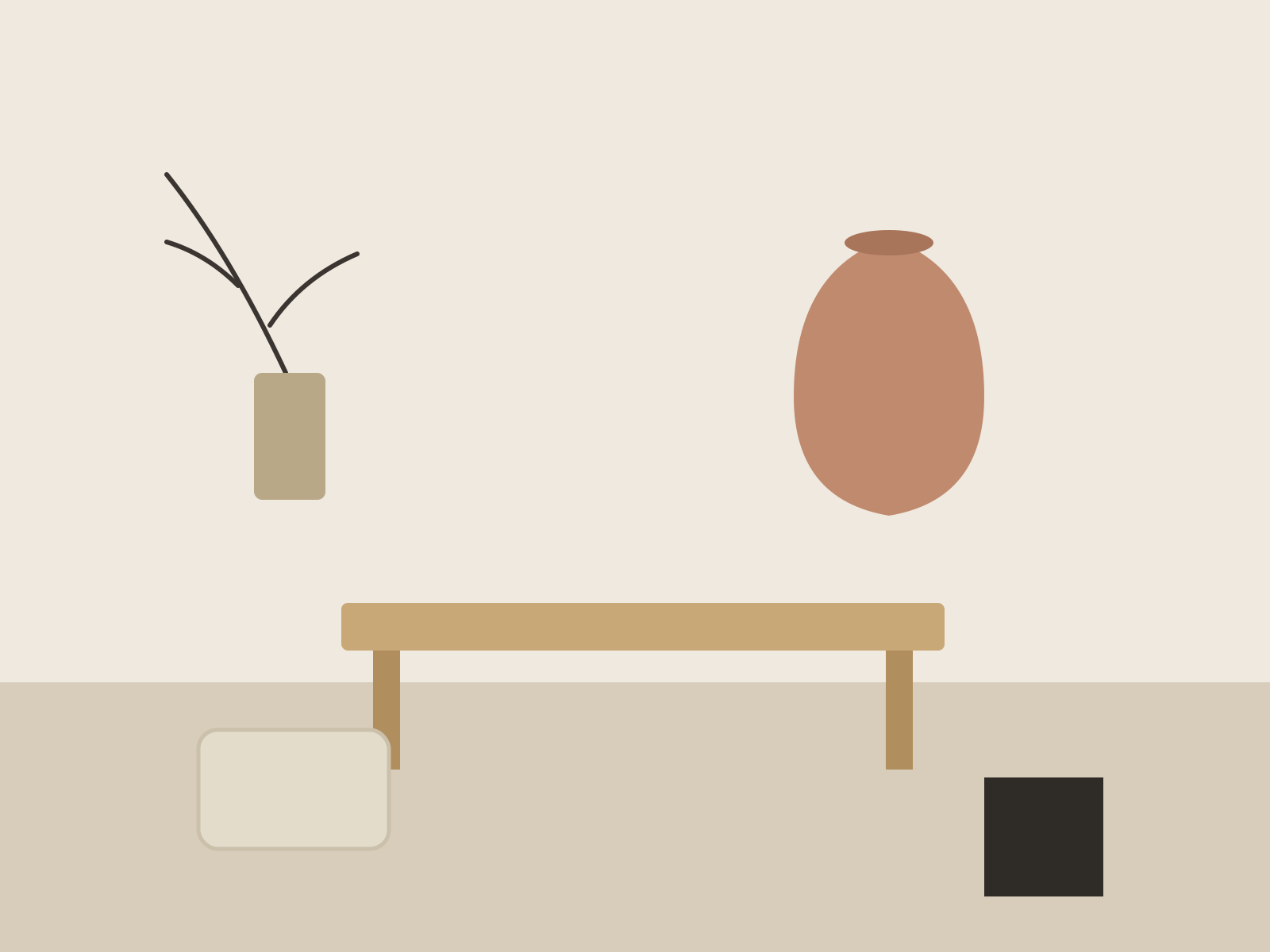
Original specimen, not a historical artifactOriginal specimen in the Japandi style. Owned; source: Design Style Book (original).
Across disciplines
- Industrial Design: Minimalist Product Design
About the style
Japandi is a 2010s design fusion that merges the cosy functionalism of Scandinavian design with the spare, nature-rooted minimalism of Japan — two traditions that already shared a love of natural materials, light wood, and unpretentious craft. The name (Japan + Scandi) spread through design media and social platforms around 2016 as a label for interiors that pair Nordic hygge warmth with Japanese wabi-sabi acceptance of imperfection and emptiness. Furniture sits low to the ground with clean, honest lines; palettes are muted and earthy — warm whites, greige, soft black, clay, and the tan of oak, ash, and bamboo. Handmade ceramics, linen, paper, and rattan add tactile imperfection, while clutter is rigorously edited away. The mood is serene, grounded, and intentional, positioning Japandi as a calming antidote to fast, glossy consumer interiors.
Notable examples
- ▸Norm Architects (Copenhagen) interiors and furniture
- ▸Karimoku Case Study collaborations (Japanese-Danish furniture)
- ▸Designer Nendo (Oki Sato) and Scandinavian collaborations
Anatomy of Japandi
The numbered markers call out the design elements that define this style. Hover or tap a marker to see its breakdown.
Original specimen, not a historical artifactOriginal specimen in the Japandi style. Owned; source: Design Style Book (original).
Seating and tables sit close to the floor with clean lines, echoing Japanese spatial habits and Nordic functionalism.
Warm whites, greige, clay, and soft black keep the room calm and grounded rather than bright or glossy.
Imperfect, matte stoneware vessels embody the wabi-sabi acceptance of asymmetry and natural wear.
Linen, paper, and rattan add quiet texture and tactile warmth without visual noise.
How Japandi connects
Styles form a network, not a tree. Explore the direct neighbours below — click any to travel the map one hop at a time.
- Evolved from
- Influenced by
- Parallel / cross-current
Hover or tap a style to preview it.
Evolved from Scandinavian Interior — fuses Nordic functional warmth with Japanese restraint
Influenced by Wabi-Sabi Interior — adopts the acceptance of imperfection and emptiness
Parallel / cross-current Minimalist Product Design — shares a pared-back, craft-led object sensibility
Zen Interior influenced by Japandi — the Japanese serenity that japandi fuses with Scandinavian design
Describe it like this
Prompt-ready vocabulary for describing or re-creating the Japandi look. Tap a word to collect it in Designdeas.
Get copy-ready Japandi AI prompts →