Japandi vs Wabi-Sabi Interior
Japandi was influenced by Wabi-Sabi Interior — adopts the acceptance of imperfection and emptiness.
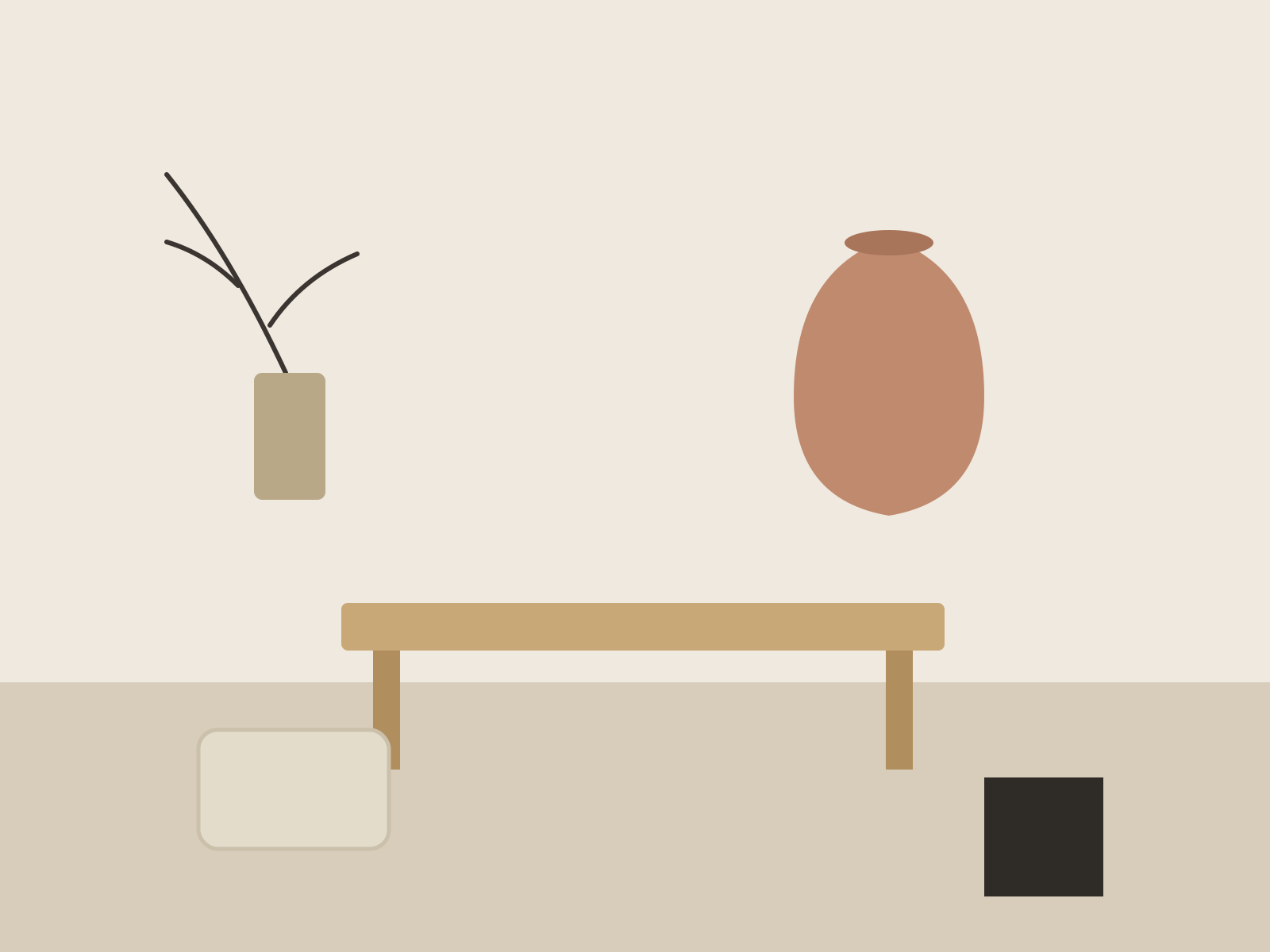
Japandi
A hybrid of Scandinavian functionality and Japanese minimalism, blending warm hygge comfort with wabi-sabi restraint. The result is a calm, low, natural-material interior that prizes craft and emptiness alike.
- Low-profile furniture with clean, functional lines
- Muted earthy palette of warm whites, greige, clay, and soft black
- Natural materials — light wood, bamboo, linen, paper, rattan
- Wabi-sabi handcrafted ceramics and tactile imperfection
- Rigorous decluttering balanced with hygge warmth
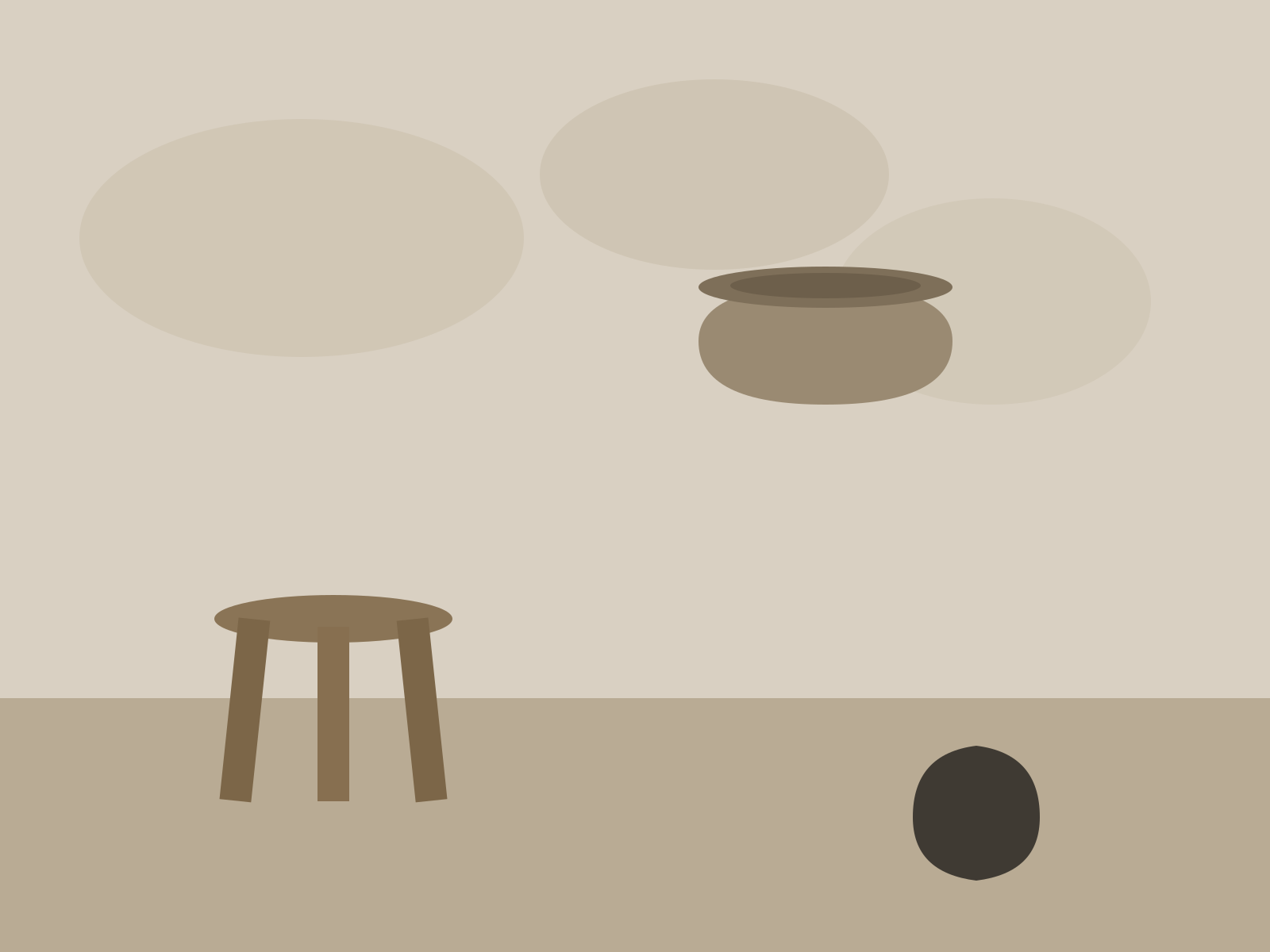
Wabi-Sabi Interior
An interior philosophy rooted in the Japanese aesthetic of finding beauty in imperfection, impermanence, and incompleteness. It favours weathered, handmade, natural materials and quiet, unforced rooms.
- Beauty found in imperfection, asymmetry, and wear
- Rough lime-washed plaster and weathered or unfinished wood
- Hand-thrown ceramics and undyed natural textiles
- Earthy, desaturated palette of clay, stone, ecru, and charcoal
- Restrained, uncluttered rooms with soft, low light
At a glance
| Japandi | Wabi-Sabi Interior | |
|---|---|---|
| Era | 2010s–present | 1990s–present |
| Discipline | Interior Design | Interior Design |
| Region | Scandinavia, Japan, Global | Japan, Global |
| Family | Minimalism, Contemporary | Minimalism, Contemporary |
| Formal traits | low, muted, natural, handcrafted | weathered, handmade, asymmetric, earthy |
More comparisons
Advertisement