Brush Script vs Script
Brush Script evolved from Script — the casual brush branch of the script family.
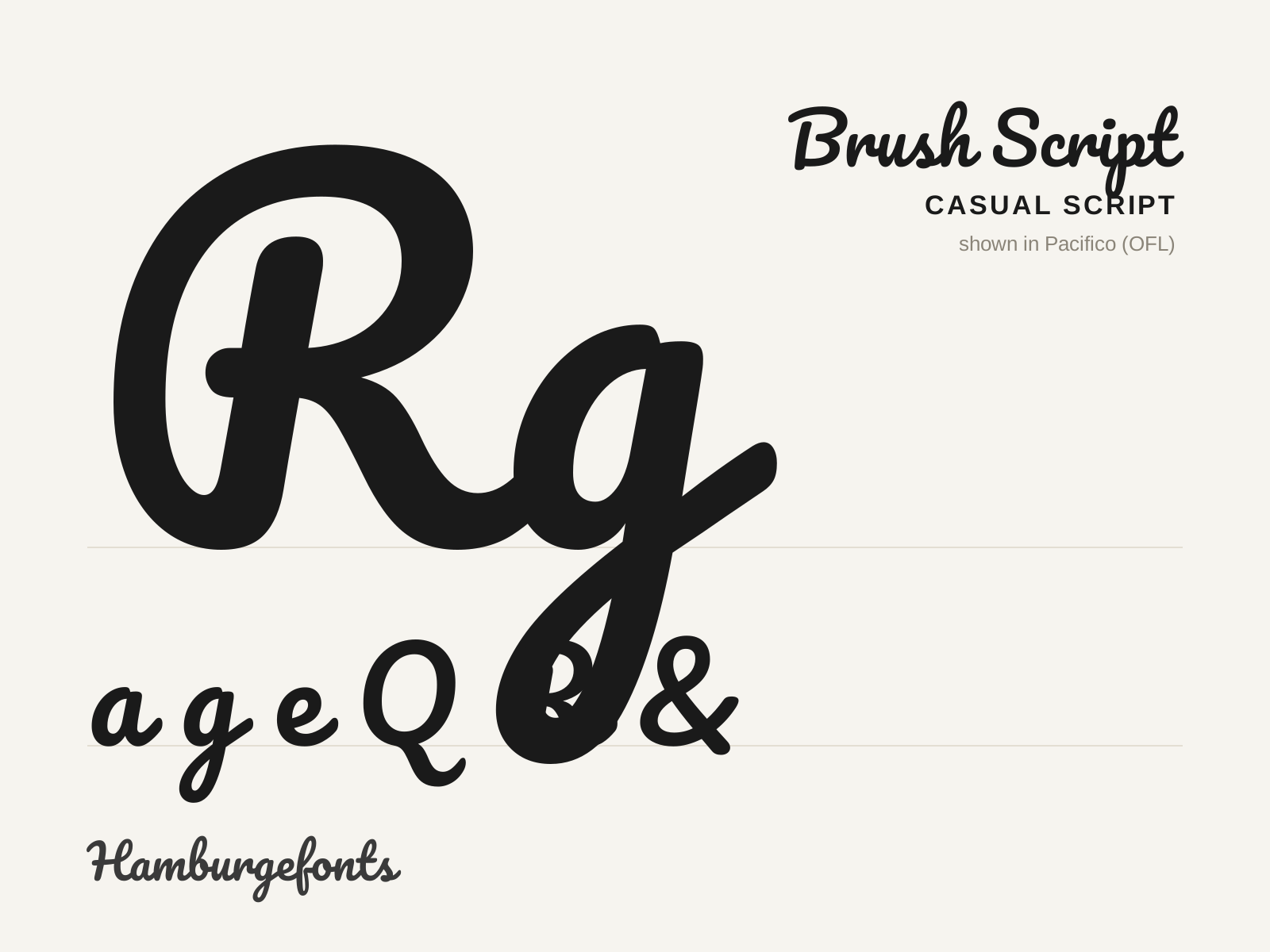
Brush Script
An informal connected script that imitates quick, confident strokes of a paint or ink brush, full of swelling weight and a relaxed bounce. The 1942 ATF original defined the casual, hand-lettered look of mid-century advertising.
- Swelling, tapering strokes mimicking a loaded brush
- Connected letters on a bouncing, informal baseline
- Rough, painterly terminal edges
- Single-story, casual letterforms
- Moderate slope with energetic, gestural rhythm
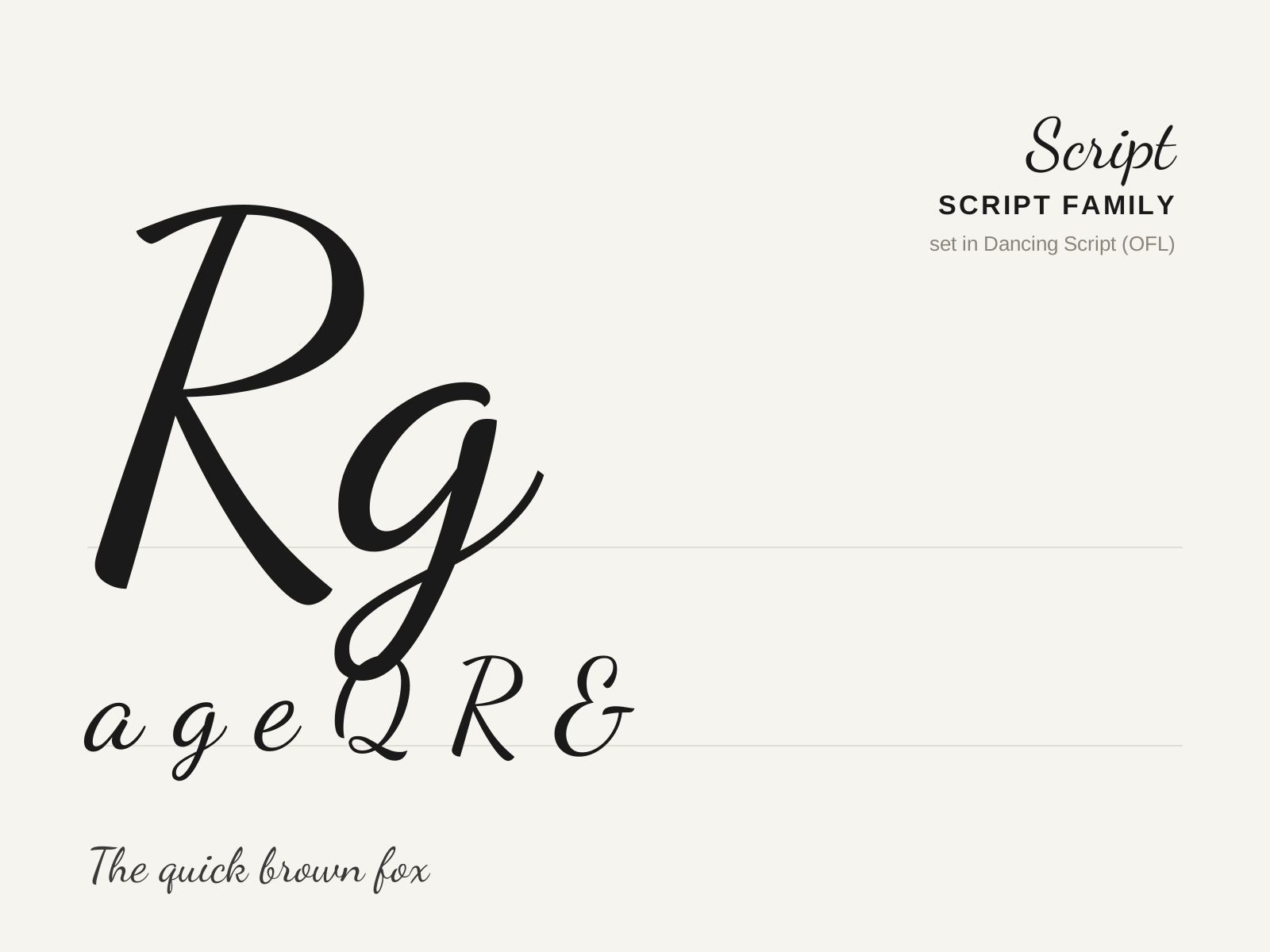
Script
The family of typefaces that imitate handwriting, from the disciplined loops of engraved formal scripts to the relaxed strokes of casual brush and pen hands. Letters lean, swell, and — in most scripts — physically join.
- Letters joined by entry and exit connecting strokes
- Slanted, gestural axis imitating handwriting
- Looping ascenders and descenders
- Flourished or swashed capital letters
- Modulated stroke weight from pen or brush
At a glance
| Brush Script | Script | |
|---|---|---|
| Era | 1942–present | c. 1550–present |
| Discipline | Typography | Typography |
| Region | United States, Global | France, England, United States, Global |
| Family | Script | Script |
| Formal traits | brush, connected-script, slanted, casual | connected-script, slanted, flourished, hand-modeled |
More comparisons
Advertisement