Brush Script vs Lobster
Lobster was influenced by Brush Script — a connected display script in the signpainting tradition.
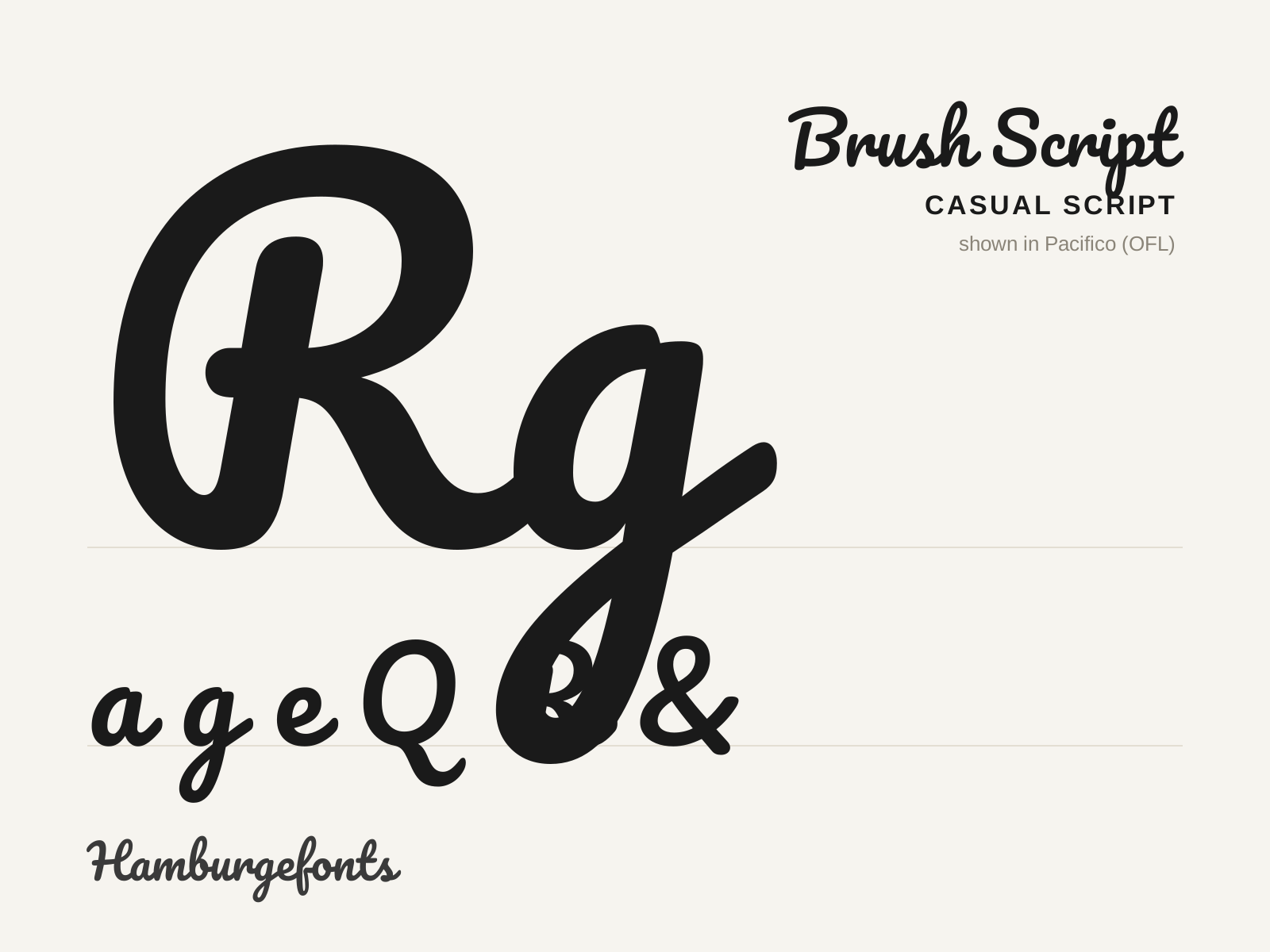
Brush Script
An informal connected script that imitates quick, confident strokes of a paint or ink brush, full of swelling weight and a relaxed bounce. The 1942 ATF original defined the casual, hand-lettered look of mid-century advertising.
- Swelling, tapering strokes mimicking a loaded brush
- Connected letters on a bouncing, informal baseline
- Rough, painterly terminal edges
- Single-story, casual letterforms
- Moderate slope with energetic, gestural rhythm
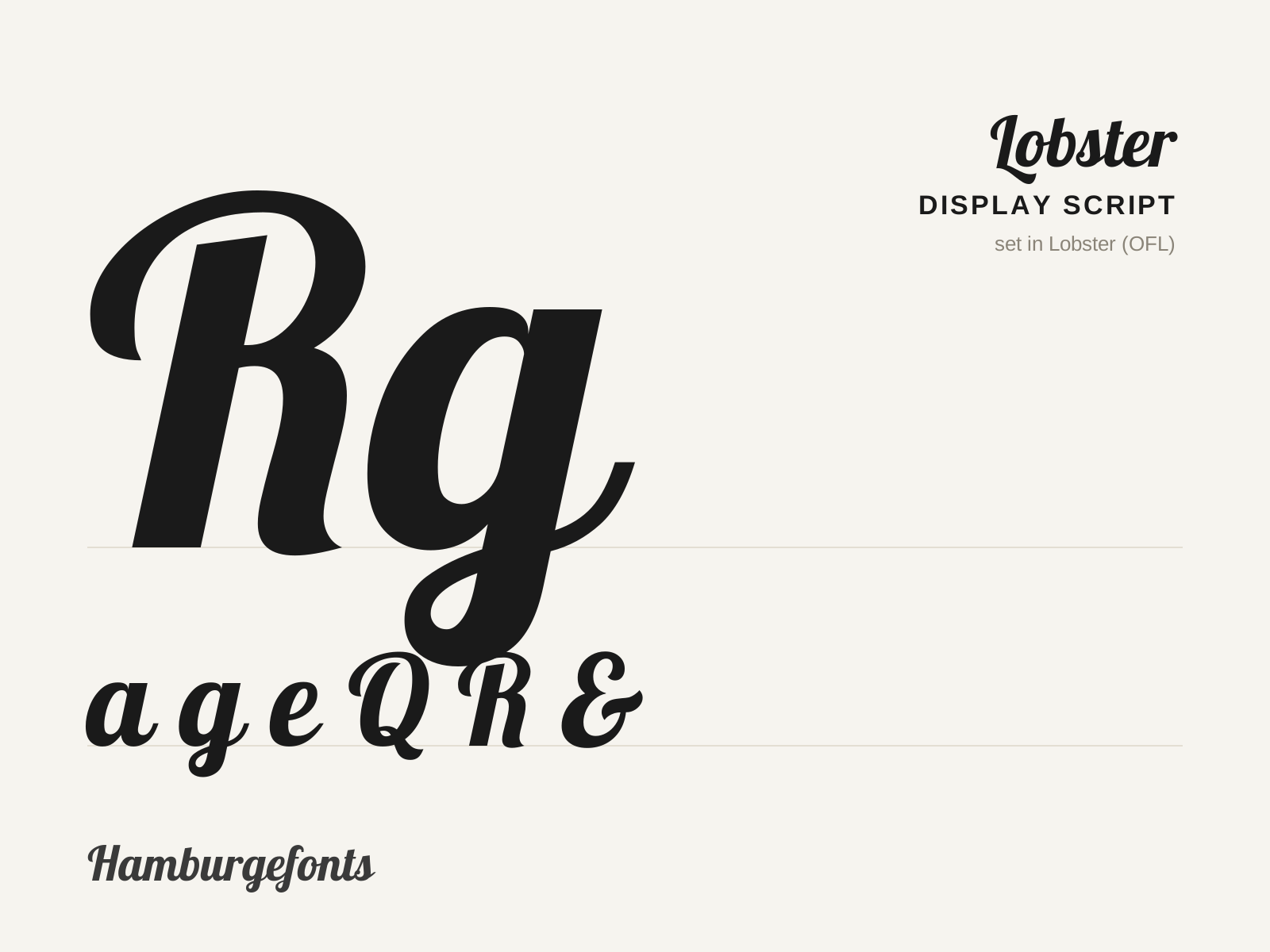
Lobster
A bold, connected display script from 2010 with retro signpainting flair, packed with contextual ligatures and alternates that mimic genuine hand-lettering. A free Google Font that became inescapable.
- Bold, connected script on a bouncing baseline
- Brush-like swelling stroke modulation
- Extensive contextual alternates and ligatures
- Generous swash capitals
- Retro signpainting and chrome-lettering flavor
At a glance
| Brush Script | Lobster | |
|---|---|---|
| Era | 1942–present | 2010–present |
| Discipline | Typography | Typography |
| Region | United States, Global | Argentina, Global |
| Family | Script | Display |
| Formal traits | brush, connected-script, slanted, casual | connected-script, brush, heavy-weight, display |
More comparisons
Advertisement