Contemporary Minimalist vs Wabi-Sabi Interior
Wabi-Sabi Interior arose as a reaction against Contemporary Minimalist — counters glossy machined perfection with patina and wear.
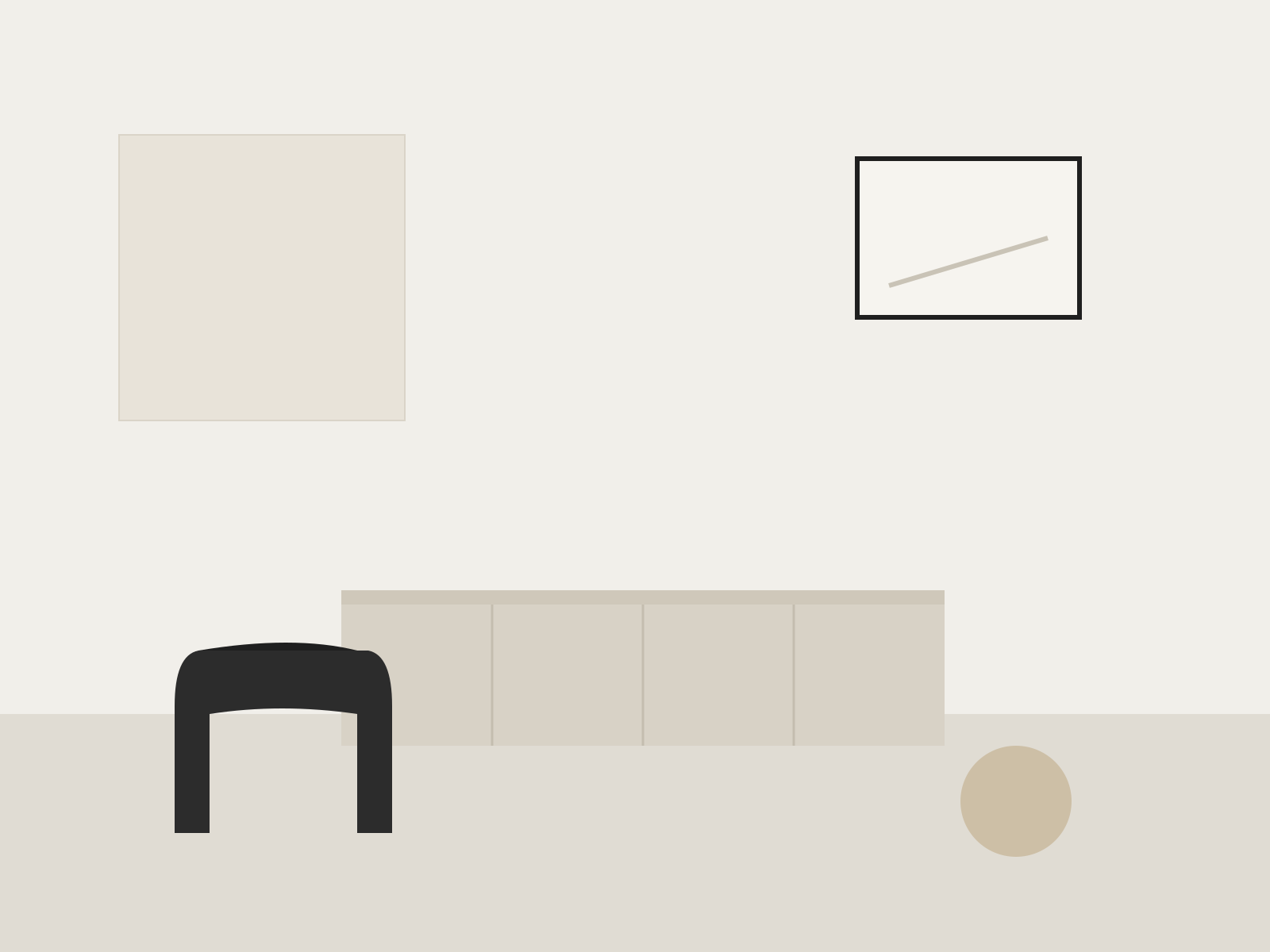
Contemporary Minimalist
A pared-back contemporary look built on the principle that 'less is more' — clean lines, neutral palettes, hidden storage, and uncluttered space. It strips interiors to essential form, light, and material.
- Clean uninterrupted lines and uncluttered open space
- Restrained neutral palette of white, grey, beige, and black
- Concealed storage behind seamless flush surfaces
- Few carefully chosen pieces and an absence of ornament
- Negative space and light treated as core design elements
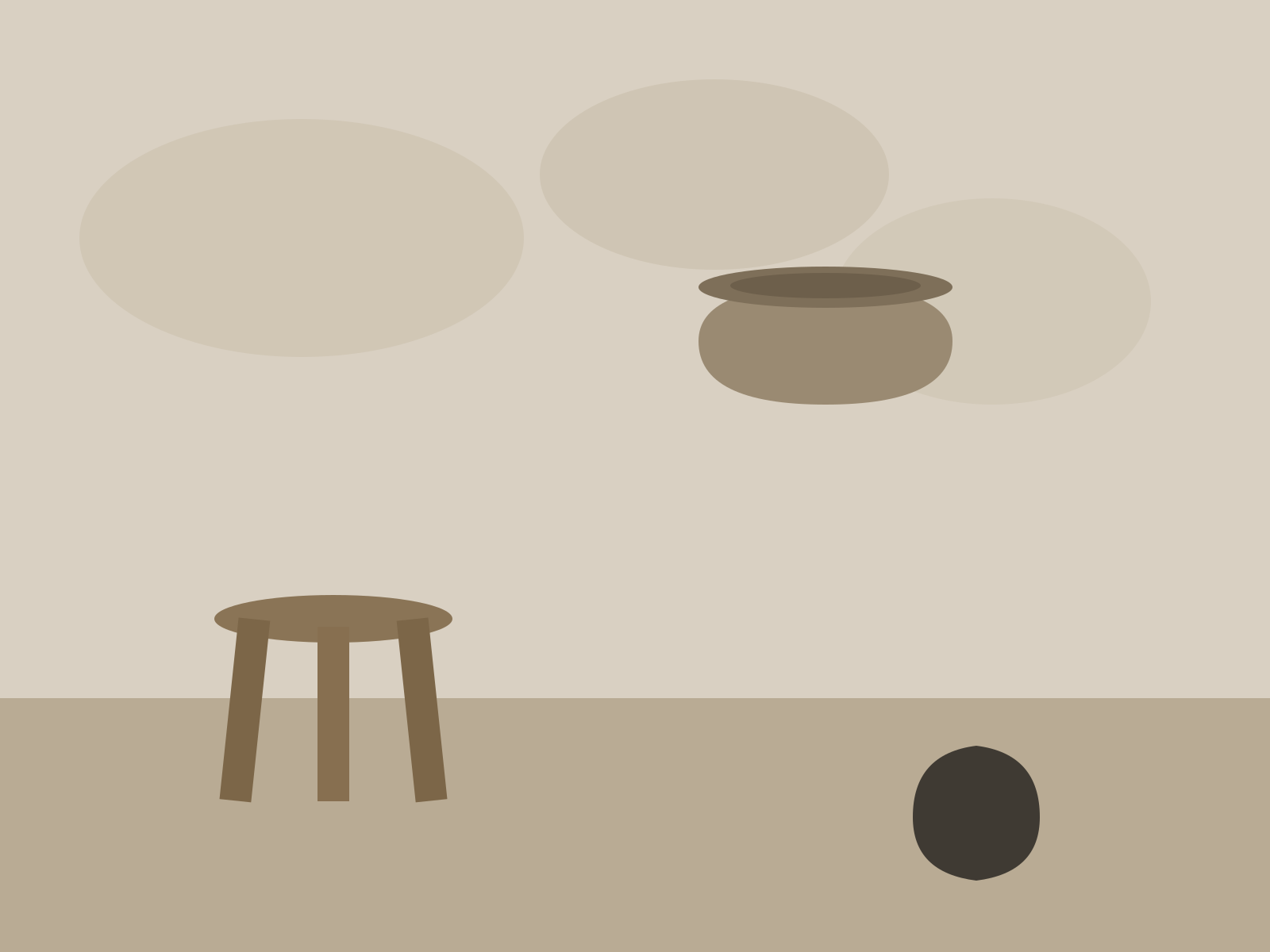
Wabi-Sabi Interior
An interior philosophy rooted in the Japanese aesthetic of finding beauty in imperfection, impermanence, and incompleteness. It favours weathered, handmade, natural materials and quiet, unforced rooms.
- Beauty found in imperfection, asymmetry, and wear
- Rough lime-washed plaster and weathered or unfinished wood
- Hand-thrown ceramics and undyed natural textiles
- Earthy, desaturated palette of clay, stone, ecru, and charcoal
- Restrained, uncluttered rooms with soft, low light
At a glance
| Contemporary Minimalist | Wabi-Sabi Interior | |
|---|---|---|
| Era | 1990s–present | 1990s–present |
| Discipline | Interior Design | Interior Design |
| Region | Global | Japan, Global |
| Family | Minimalism, Contemporary | Minimalism, Contemporary |
| Formal traits | clean, neutral, uncluttered, restrained | weathered, handmade, asymmetric, earthy |
More comparisons
Advertisement