c.1962–1978 · United States, Germany, Japan
Fluxus Graphic
Also known as Fluxus design, Fluxkit graphics
The deadpan, do-it-yourself print language of the Fluxus art network—event scores, mock catalogues, and boxed multiples that turned ephemera into the artwork itself.
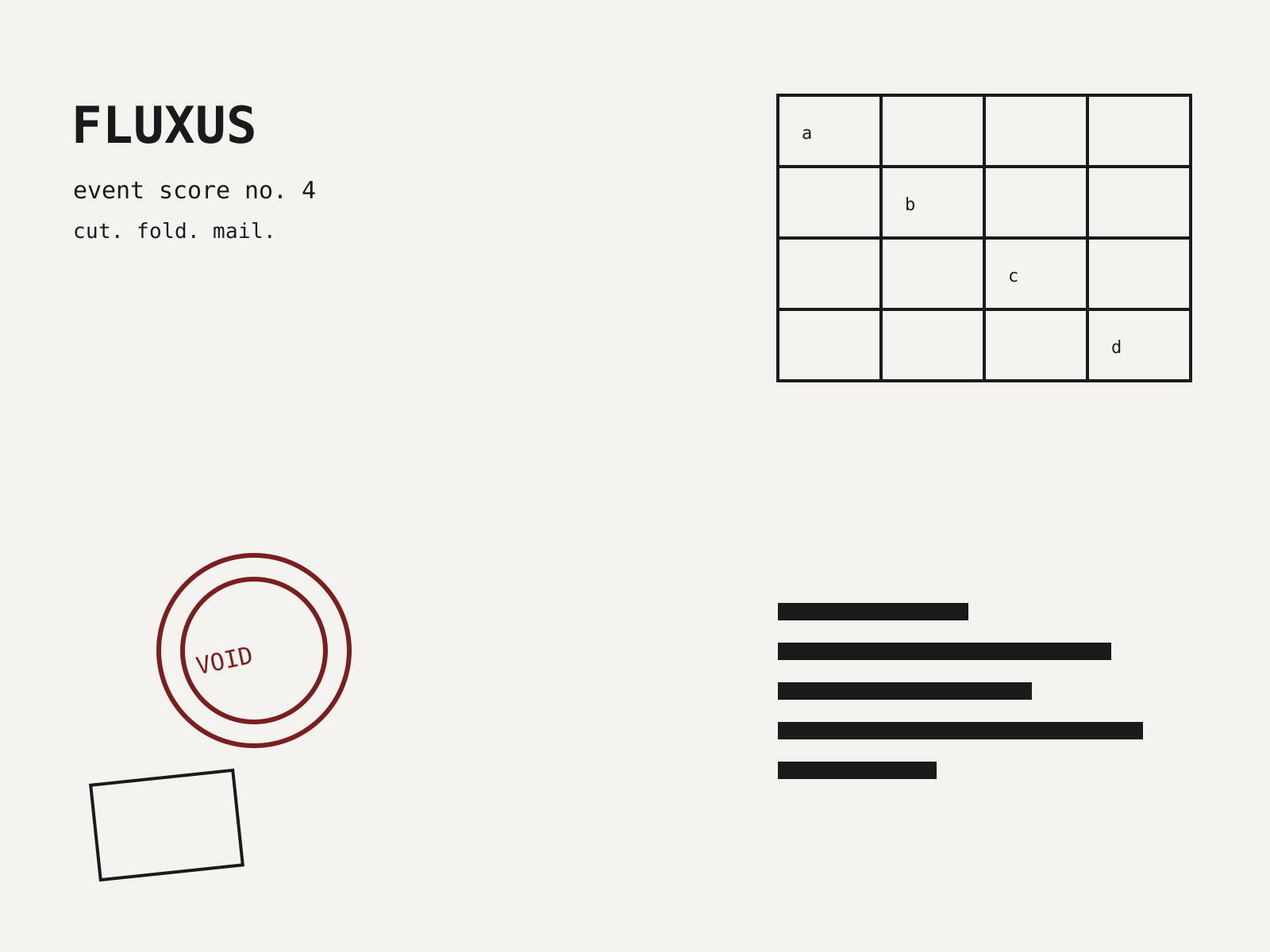
Original specimen, not a historical artifactOriginal specimen in the Fluxus Graphic style. Owned; source: Design Style Book (original).
About the style
Fluxus graphics are the printed face of the international Fluxus movement organised by George Maciunas around 1962. Rejecting fine-art preciousness, Maciunas applied his training as a designer to mass-produce 'event scores', newspapers, mail-order catalogues, posters, and the boxed Fluxkit, making cheap reproducible ephemera the very medium of the art. The look is dry and bureaucratic: typewriter and rubber-stamp lettering, condensed sans-serif headings borrowed from commercial signage, grids of tiny boxed cells, and droll faux-functional layouts that parody advertising and official forms. Black-and-white printing, found imagery, and Maciunas's obsessive diagrammatic charts of art history give the work a wry, anti-expressive coolness. By collapsing the distinction between announcement and artwork, Fluxus graphics anticipated mail art, conceptual publishing, and the photocopy aesthetics of later DIY culture.
Notable examples
- ▸George Maciunas, Fluxus 1 yearbox (1964)
- ▸George Maciunas, 'Fluxus (Its Historical Development and Relationship to Avant-Garde Movements)' chart (1966)
- ▸George Brecht & Robert Watts, Fluxkit boxed editions (1964–65)
Anatomy of Fluxus Graphic
The numbered markers call out the design elements that define this style. Hover or tap a marker to see its breakdown.
Original specimen, not a historical artifactOriginal specimen in the Fluxus Graphic style. Owned; source: Design Style Book (original).
Instructions set in plain monospaced typewriter text turn a printed card into a performable event, treating the document as the artwork.
A ruled grid of small rectangular cells parodies forms and mail-order catalogues, organising disparate items into deadpan bureaucratic order.
Hand-stamped names, numbers, and logos add cheap, smudgy authenticity and underline the anti-precious, reproducible ethos.
Maciunas's flowing genealogical charts map art movements as branching diagrams, making the history itself into a graphic composition.
How Fluxus Graphic connects
Styles form a network, not a tree. Explore the direct neighbours below — click any to travel the map one hop at a time.
- Evolved from
- Influenced by
Hover or tap a style to preview it.
Evolved from Dada Graphic Design — extends Dada's anti-art ethos into mass-produced ephemera and event scores
Influenced by ISOTYPE Pictography — borrows the deadpan boxed-grid, diagrammatic logic
Mail Art evolved from Fluxus Graphic — grew out of the Fluxus network and its reproducible-ephemera ethos
Compare side by side
Describe it like this
Prompt-ready vocabulary for describing or re-creating the Fluxus Graphic look. Tap a word to collect it in Designdeas.
Get copy-ready Fluxus Graphic AI prompts →