Dada Graphic Design vs Fluxus Graphic
Fluxus Graphic evolved from Dada Graphic Design — extends Dada's anti-art ethos into mass-produced ephemera and event scores.

Dada Graphic Design
The anarchic, anti-art graphic language of Dada, which invented photomontage and ransom-note typography — slicing apart mass-media photographs and mixed type to mock a civilization that had marched into world war.
- Photomontage from cut-up press photographs and headlines
- Ransom-note typography mixing clashing fonts and sizes
- Chance-based, deliberately disordered composition
- Satirical, anti-establishment content
- Mechanomorphic drawing and mass-media collage
Fluxus Graphic
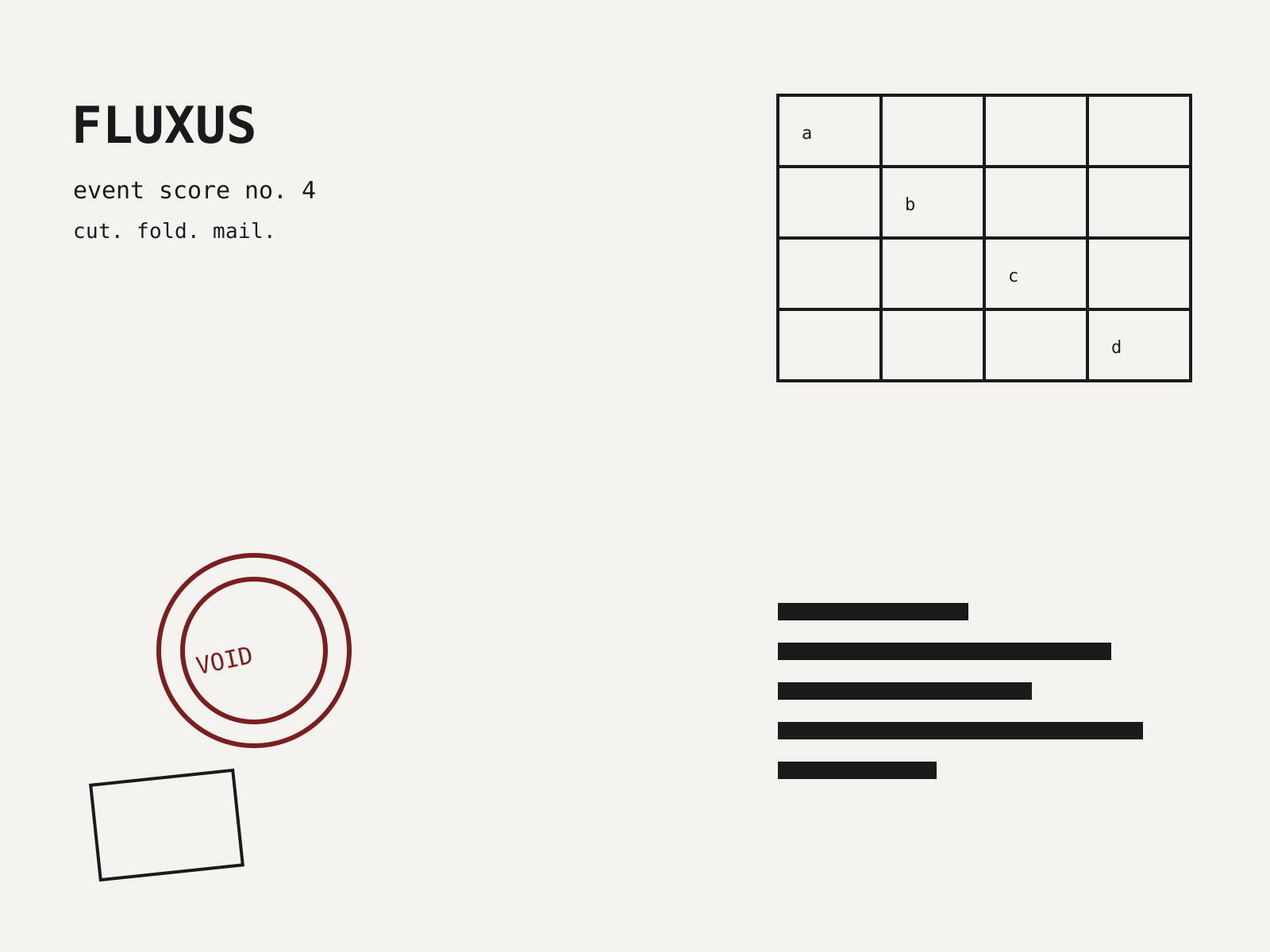
The deadpan, do-it-yourself print language of the Fluxus art network—event scores, mock catalogues, and boxed multiples that turned ephemera into the artwork itself.
- Typewriter, rubber-stamp, and condensed commercial-sans lettering
- Cheap black-and-white offset and mimeograph printing
- Grids of small boxed cells parodying forms and catalogues
- Event scores and instructions presented as the artwork
- Deadpan, anti-expressive bureaucratic layouts
At a glance
| Dada Graphic Design | Fluxus Graphic | |
|---|---|---|
| Era | 1916–1924 | c.1962–1978 |
| Discipline | Graphic Design | Graphic Design |
| Region | Switzerland, Germany, France | United States, Germany, Japan |
| Family | Avant-Garde, Modernism | Avant-Garde, DIY/Subculture |
| Formal traits | photomontage, collage, mixed-type, anti-compositional | typewriter-type, monochrome, grid-boxed, deadpan |
More comparisons
Advertisement