2010–present · Argentina, Global
Lobster
A bold, connected display script from 2010 with retro signpainting flair, packed with contextual ligatures and alternates that mimic genuine hand-lettering. A free Google Font that became inescapable.
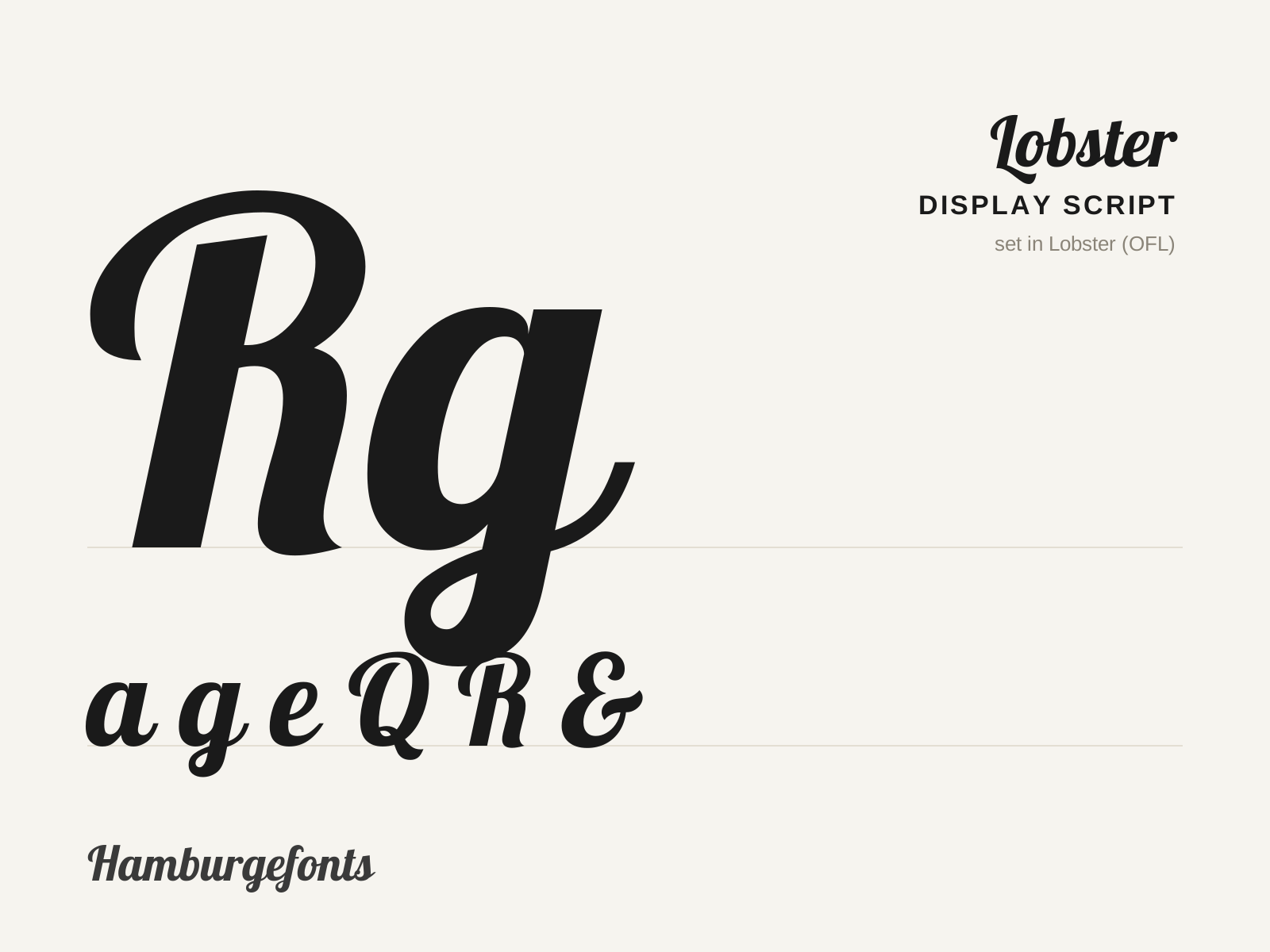
Original specimen, not a historical artifactType specimen — Lobster (Display script); set in Lobster (OFL). Owned; source: Design Style Book (original specimen).
About the style
Lobster is a bold display script designed by the Argentine type designer Pablo Impallari and first released in 2010, evoking the lush, connected lettering of mid-century signpainters and chrome lettering. Heavily weighted and warmly retro, it uses OpenType contextual alternates extensively, swapping in dozens of letter variants and ligatures so that repeated letters differ and the type convincingly imitates custom hand-lettering rather than a rigid font. Its strokes swell with a brush-like modulation, its capitals carry generous swashes, and its lowercase joins along a flowing, slightly bouncing baseline. Released free and open-source through Google Fonts, Lobster spread explosively across cafés, food trucks, blog headers, and countless casual brands seeking instant artisanal, vintage warmth — to the point of becoming a cliché of early-2010s web design. The face stands as a landmark of accessible, feature-rich free typography.
Notable examples
- ▸Lobster (Pablo Impallari, 2010)
- ▸Google Fonts open-source distribution
- ▸Ubiquitous early-2010s café and food-truck branding
Anatomy of Lobster
The numbered markers call out the design elements that define this style. Hover or tap a marker to see its breakdown.
Original specimen, not a historical artifactType specimen — Lobster (Display script); set in Lobster (OFL). Owned; source: Design Style Book (original specimen).
Lobster's capital R carries a generous swash and brush-swelled strokes, drawn to anchor a headline. Its weight and flourish recall hand-painted signage.
The lowercase g loops a bold descender below the baseline with brush-tapered modulation, joining into the next letter. Contextual alternates may swap its form to avoid repetition.
The lowercase a joins on both sides and rides a slightly bouncing baseline, its bowl swelling with brush weight. Alternates vary repeated a's to mimic real hand-lettering.
Lobster reads as warm, retro signpainting — adopted everywhere for cafés and casual branding until its ubiquity made it an early-2010s design cliché.
How Lobster connects
Styles form a network, not a tree. Explore the direct neighbours below — click any to travel the map one hop at a time.
- Evolved from
- Influenced by
Hover or tap a style to preview it.
Evolved from Display
Influenced by Brush Script — a connected display script in the signpainting tradition
Compare side by side
Describe it like this
Prompt-ready vocabulary for describing or re-creating the Lobster look. Tap a word to collect it in Designdeas.
Get copy-ready Lobster AI prompts →