Japanese Postwar Graphic vs Psychedelic Poster Art
Japanese Postwar Graphic was influenced by Psychedelic Poster Art.
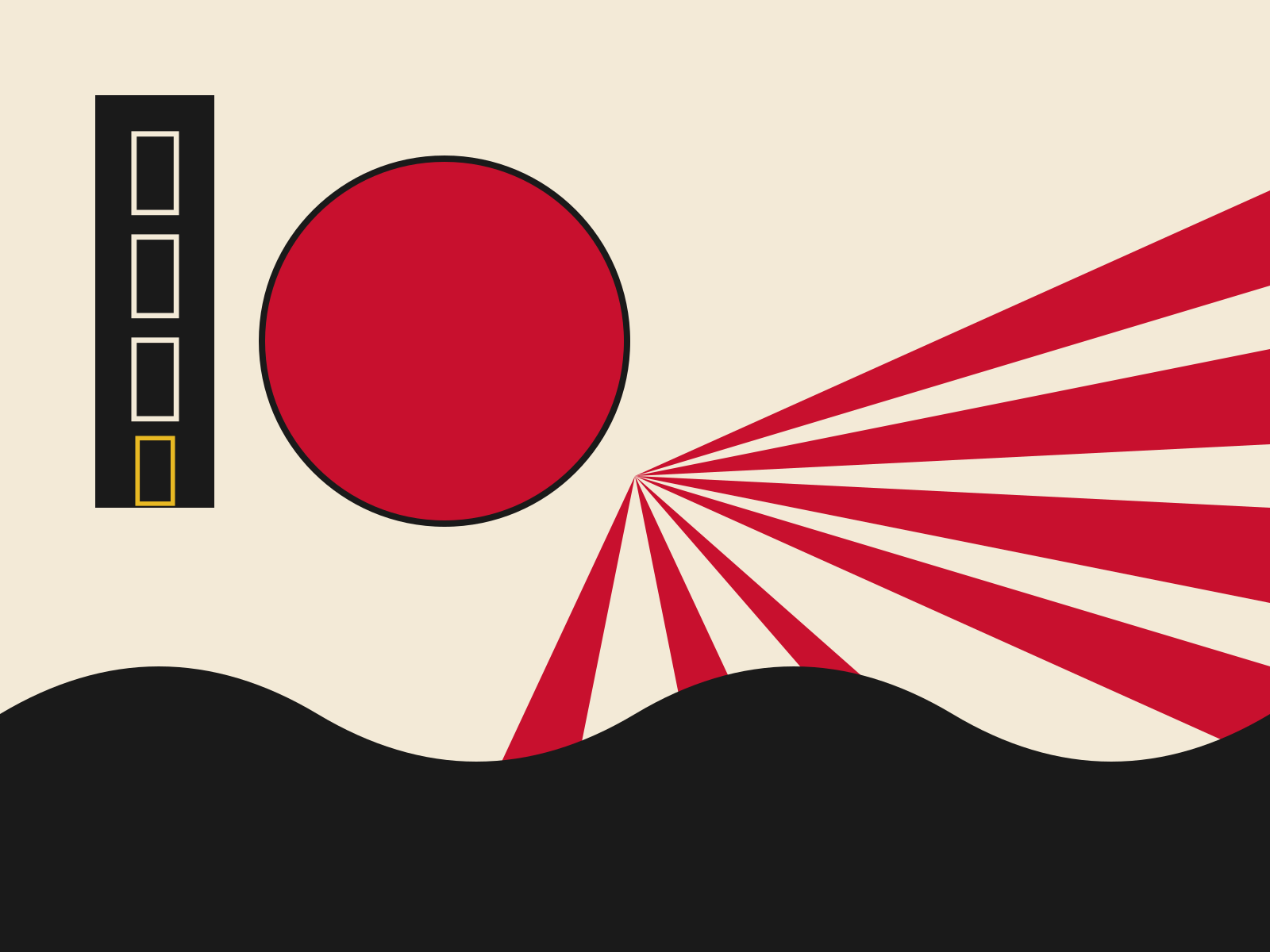
Japanese Postwar Graphic
The postwar generation of Japanese designers who fused Bauhaus rationalism with native tradition and Pop exuberance. From Kamekura's geometric clarity to Yokoo's psychedelic collage, it forged a distinctly Japanese modernism.
- Geometric clarity fused with Japanese motifs
- Flat planes and stylized faces from ukiyo-e and Noh
- Bold, saturated, often symbolic color
- Psychedelic collage and vernacular imagery (Yokoo)
- Disciplined modernist grid and typography
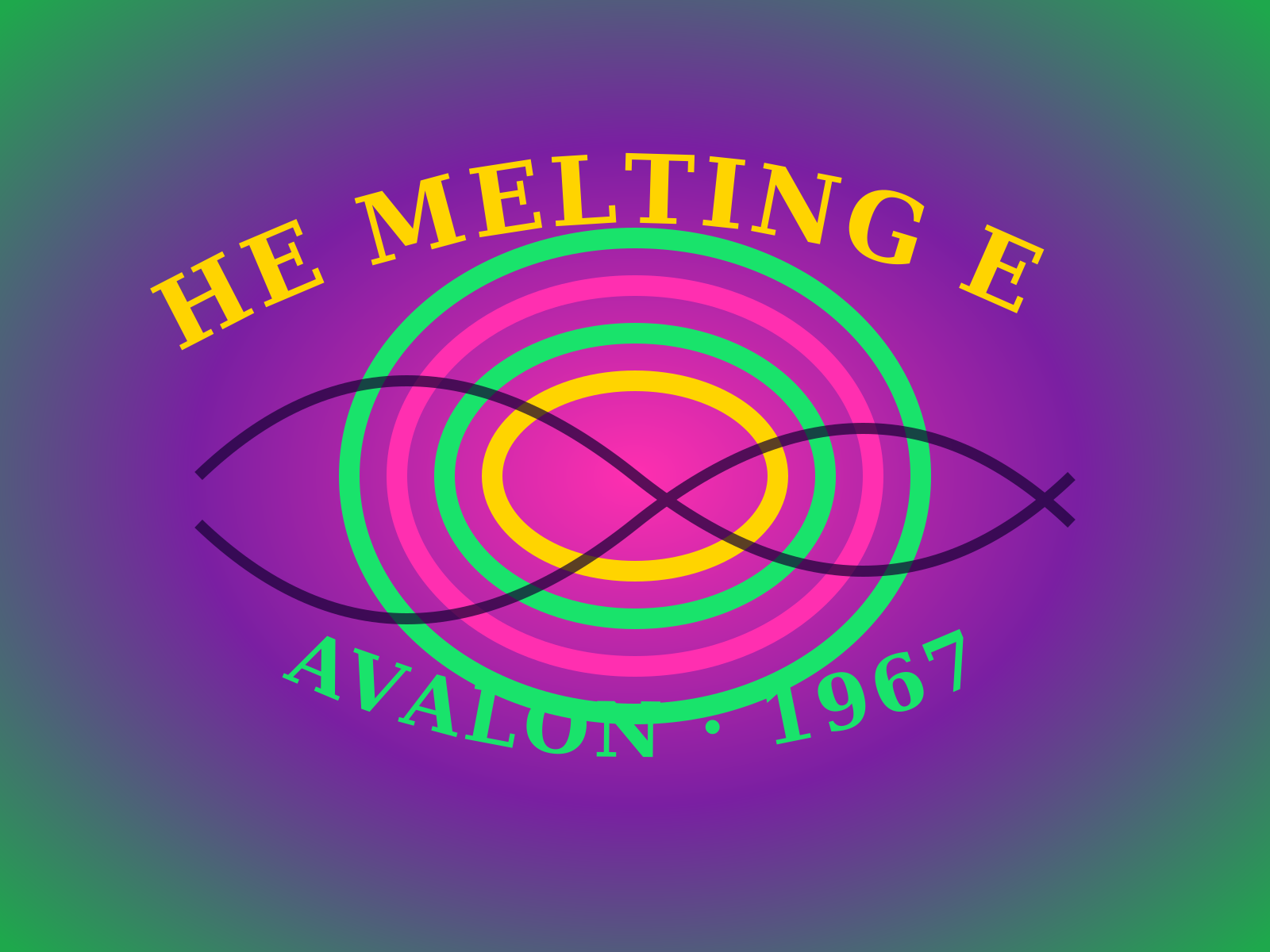
Psychedelic Poster Art
The hallucinatory concert-poster style of 1960s San Francisco, built on vibrating complementary colors, melting hand-lettering you can barely read, and swirling Art Nouveau revival forms.
- Vibrating complementary colors placed edge to edge
- Melting, hand-drawn lettering bent to fill the composition
- Sinuous Art Nouveau and Vienna Secession revival curves
- Dense, all-over compositions with little empty space
- Deliberately challenging, near-illegible typography
At a glance
| Japanese Postwar Graphic | Psychedelic Poster Art | |
|---|---|---|
| Era | 1950s–1980s | c. 1966–1971 |
| Discipline | Graphic Design | Graphic Design |
| Region | Japan | United States |
| Family | World, Poster | Vernacular/Pop, Counterculture |
| Formal traits | flat-color, geometric, collage, modernist | hand-lettering, vibrating-color, art-nouveau-revival, dense-composition |
More comparisons
Advertisement