Postmodern Graphic Design vs Swiss Style
Postmodern Graphic Design arose as a reaction against Swiss Style — broke the Swiss grid it grew out of — 'Swiss Punk'.
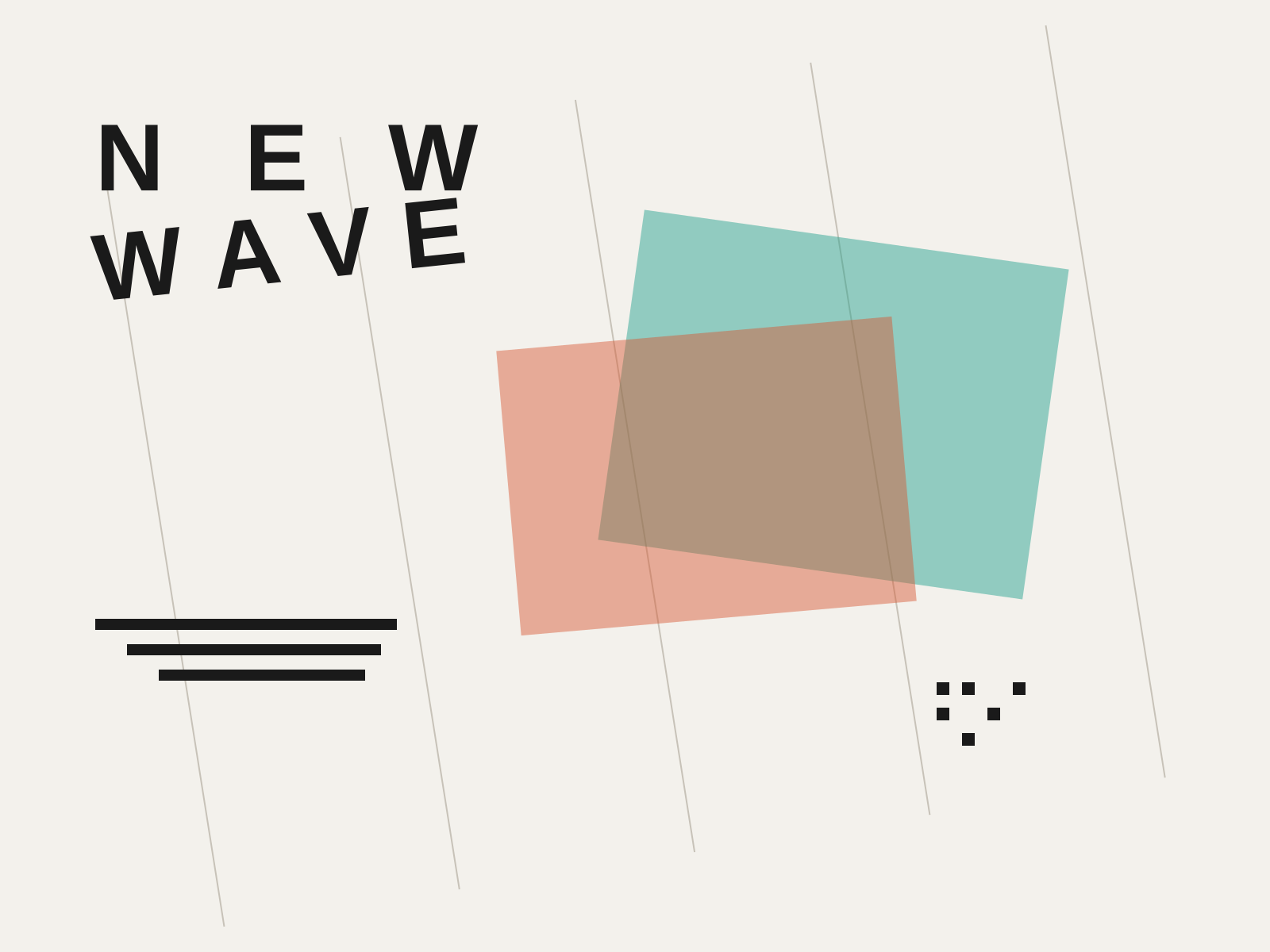
Postmodern Graphic Design
The rule-breaking reaction against rigid Swiss modernism, fracturing the grid with tilted type, layered transparency, and an embrace of complexity, ambiguity, and digital experimentation.
- Fractured grids with tilted and diagonal type axes
- Layered transparency and overlapping image planes
- Exaggerated, irregular letterspacing and stepped rules
- Early embrace of digital noise and Macintosh bitmap imagery
- Collision of disparate textures, patterns, and typefaces
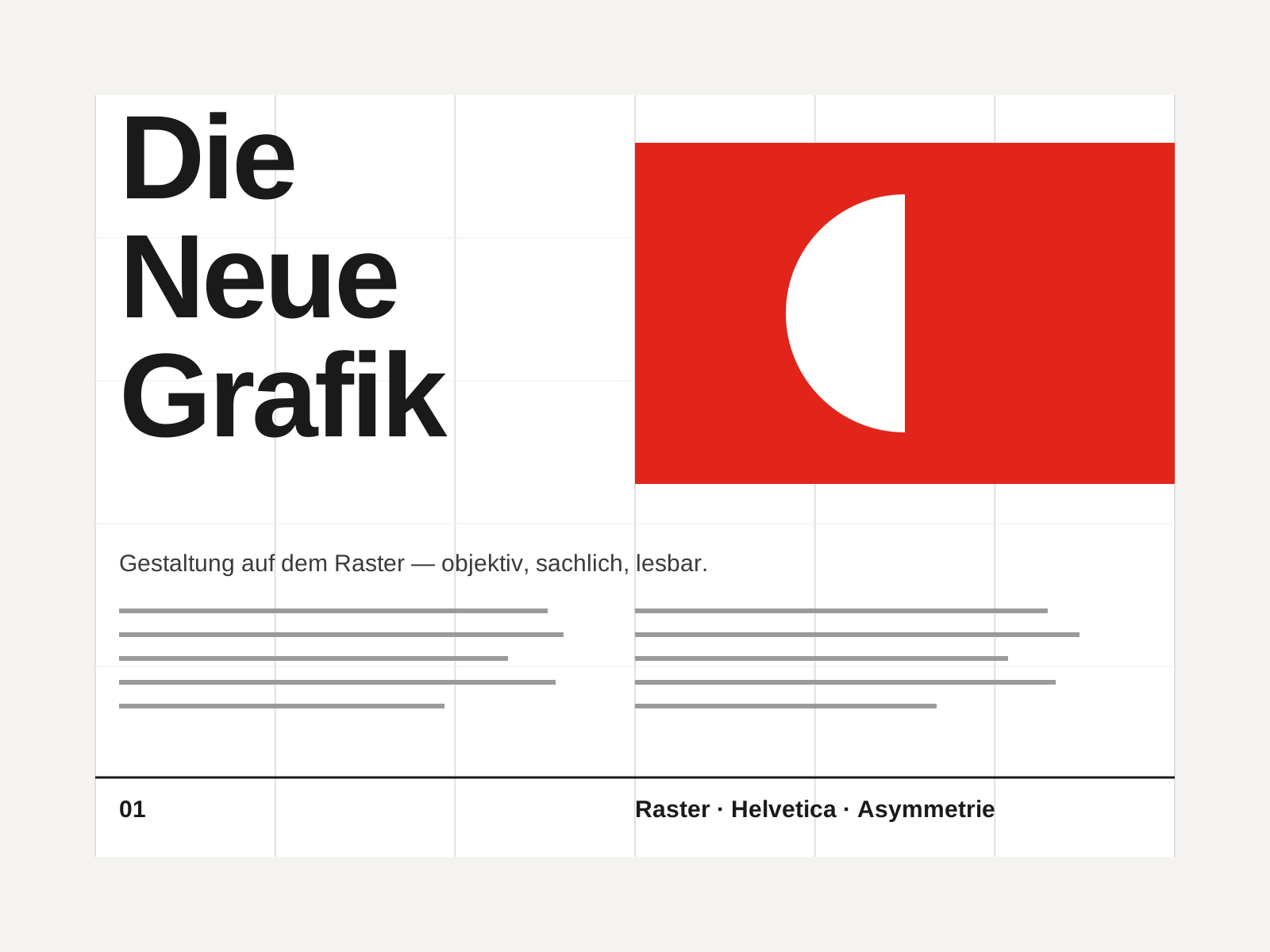
Swiss Style
The mid-century gospel of objective design — mathematical grids, flush-left ragged-right sans-serif type (Helvetica, Akzidenz-Grotesk), generous white space, and photography in place of illustration.
- Mathematical modular grid underlying every element
- Neo-grotesque sans-serif type (Helvetica, Akzidenz-Grotesk)
- Flush-left, ragged-right text setting
- Asymmetric layout balanced by generous white space
- Objective photography instead of illustration
At a glance
| Postmodern Graphic Design | Swiss Style | |
|---|---|---|
| Era | c. 1970s–1990s | 1950s–1970s |
| Discipline | Graphic Design | Graphic Design |
| Region | Switzerland, United States | Switzerland, Germany, International |
| Family | Postmodern, Digital | Modernist, International |
| Formal traits | layered, tilted-type, letterspaced, grid-breaking | grid-based, sans-serif, asymmetric, minimal |
More comparisons
Advertisement